
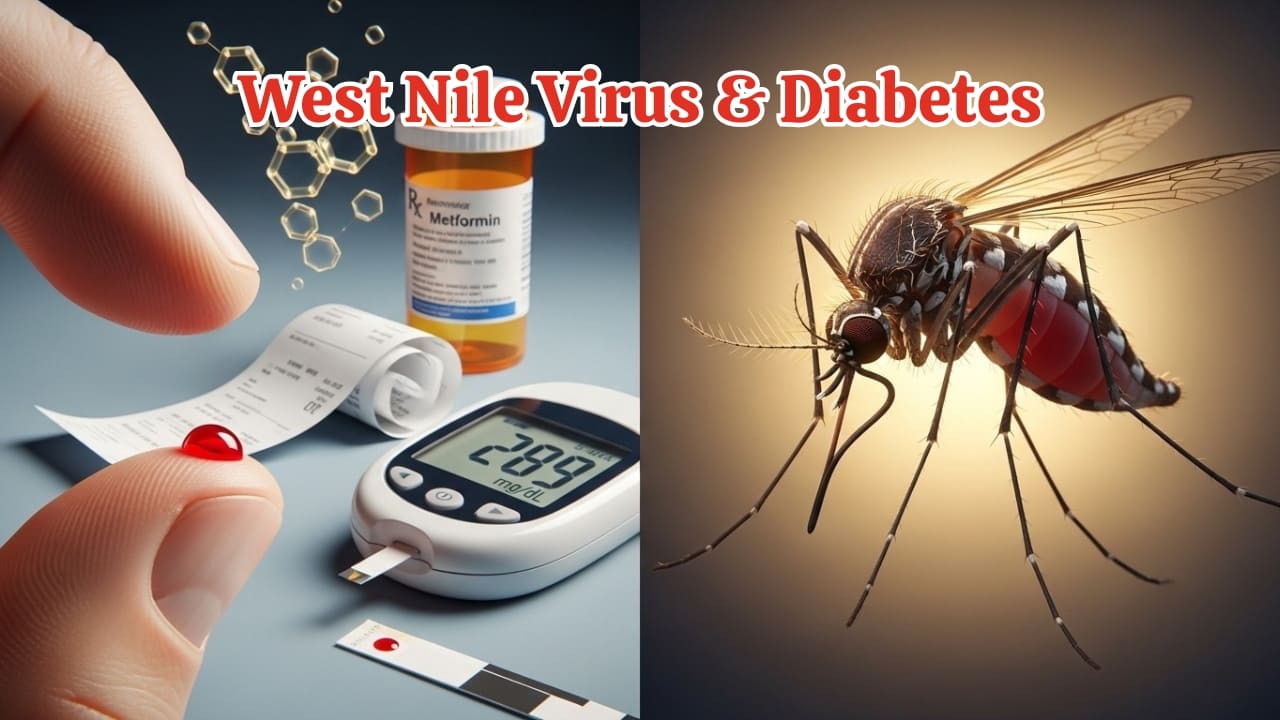
Introduction: Link Between West Nile Virus and Diabetes
Most people who get bitten by a West Nile virus-carrying mosquito never feel a thing. No fever, no rash, nothing. The immune system quietly handles it. But for people living with diabetes — particularly those with poorly controlled blood sugar — that same infection can escalate into something far more dangerous, faster than most people expect.
This is not speculation. It is what the research consistently shows, and what public health professionals have been flagging for years. If you or someone you love manages diabetes, understanding the specific ways West Nile virus exploits high blood glucose is genuinely important — especially heading into peak mosquito season.
Does Diabetes Make West Nile Virus More Dangerous?
Yes. Diabetes makes West Nile virus more dangerous and the gap in severity is not marginal. People with diabetes, particularly those with elevated blood sugar or long-standing complications, face a meaningfully higher risk of developing serious West Nile virus disease
The immune system in someone with high blood sugar is already compromised before the virus even arrives. Neutrophils are sluggish. Antibody production is slower. And the blood-brain barrier — the wall between the bloodstream and the brain — is structurally weakened by years of vascular stress from chronic hyperglycemia. West Nile virus causes its worst damage by crossing into the central nervous system. Diabetes, quietly, makes that crossing easier.
CDC surveillance data backs this up. Diabetes shows up repeatedly, disproportionately, in the profiles of patients hospitalized with neuroinvasive WNV — the kind that causes encephalitis, meningitis, paralysis. That’s not coincidence. That’s a pattern.
So yes. More dangerous. Not guaranteed to be severe, not a death sentence — but the odds are tilted, the biology is working against you, and that’s worth knowing before mosquito season hits.
What Is West Nile Virus and How Does It Spread in the U.S.?
West Nile virus (WNV) is a mosquito-borne flavivirus first detected in the United States in 1999. It has since become the leading cause of mosquito-transmitted illness in the continental U.S., according to the CDC. The primary vector is the Culex mosquito species, which tends to be most active at dawn and dusk.
Birds are the main reservoir hosts. Mosquitoes pick up the virus by feeding on infected birds, then transmit it to humans through a bite. Person-to-person transmission through casual contact does not occur.
WNV activity has been reported across all 48 contiguous states. California, Texas, Arizona, and Colorado consistently report higher case volumes, though the Midwest and South see significant transmission each year. State health departments — including the California Department of Public Health and Texas DSHS — publish annual surveillance data that is worth monitoring during warmer months.
The Spectrum of West Nile Virus Illness: From Asymptomatic to Neuroinvasive
Roughly 80% of those infected with WNV experience no symptoms at all. Of the remaining 20%, most develop West Nile fever — a self-limiting illness marked by fatigue, headache, body aches, and occasional rash that typically resolves within a week.
A smaller subset — fewer than 1% of all infected individuals — develops neuroinvasive West Nile disease. This is where the virus becomes life-threatening. Neuroinvasive WNV includes:
- West Nile meningitis — inflammation of the membranes surrounding the brain and spinal cord
- West Nile encephalitis — direct inflammation of the brain tissue itself
- West Nile poliomyelitis — a flaccid paralysis syndrome causing sudden limb weakness
Survivors of neuroinvasive WNV disease can face long-term consequences:
- persistent memory difficulties,
- profound fatigue, and
- motor weakness that, in some cases, never fully resolves.
The CDC notes that adults over 60 and immunocompromised individuals face the greatest risk of neuroinvasive progression — and diabetes is explicitly included in that risk profile.
Diabetes and West Nile Virus Risk: What the Evidence Shows
The connection between diabetes and worse West Nile virus outcomes is not theoretical. It appears repeatedly in clinical case reviews, epidemiological surveillance data, and laboratory immunology research. The connection runs through multiple biological pathways, and it matters whether someone has Type 1 or Type 2 diabetes — though both carry elevated risk.
Public health surveillance conducted through the CDC’s ArboNET system has identified diabetes as one of the most commonly documented underlying conditions among people who develop severe or fatal West Nile virus disease. When researchers analyze who ends up hospitalized with neuroinvasive WNV, metabolic conditions — led by diabetes — appear disproportionately in the patient profile.
West Nile Virus Diabetic Complications
1. Type 2 Diabetes, Insulin Resistance, and Viral Susceptibility
In Type 2 diabetes, insulin resistance creates a low-grade chronic inflammatory state. This persistent background inflammation is not the kind that fights infections — it is dysregulated, disordered inflammation that actually blunts the acute immune response (glycemic variability) when a real pathogen arrives. When West Nile virus enters the picture, the immune system is already operating in a compromised, metabolically stressed environment.
There is also the matter of cytokine dysregulation. In people with poorly controlled Type 2 diabetes, the signaling proteins that coordinate immune cell activity are less responsive. Interferon pathways — which are critical for the body’s early antiviral response (T cell response) — are specifically impaired by sustained hyperglycemia.
West Nile virus, like other flaviviruses, actively attempts to suppress interferon signaling. In a healthy person, the body fights back. In someone with diabetes-related immune suppression, that fight is already partly lost before it begins.
2. Type 1 Diabetes: Autoimmune Overlap and CNS Vulnerability
For people with Type 1 diabetes, the risk picture is somewhat different but equally concerning. The autoimmune origin of Type 1 diabetes means the immune system operates under chronic dysregulation — not suppression in the conventional sense, but a misdirected, sometimes overactive response. Some research suggests this creates unpredictable vulnerability to certain viral infections, including neurotropic viruses that target central nervous system tissue.
Additionally, people with longstanding Type 1 diabetes often have cerebrovascular changes from years of glucose variability. When a neuroinvasive virus arrives, a vascular system that has already been under metabolic stress is less resilient. This matters specifically for WNV because the virus’ deadliest manifestations — encephalitis and poliomyelitis — depend on its ability to cross the blood-brain barrier and establish itself in neural tissue.
3. The Role of HbA1c: Why Glucose Control Predicts Outcome Differences
Not all people with diabetes face the same level of WNV risk. The degree of glycemic control — reflected most accurately in HbA1c levels — appears to be a meaningful variable. Clinicians reviewing severe WNV cases have noted that patients with chronically elevated HbA1c (generally above 8%) show worse inflammatory and neurological outcomes compared to those with tighter control.
This makes biological sense. The immune disruptions caused by high glucose are dose-dependent to some extent. A person with diabetes maintaining an HbA1c in the low-to-mid 7% range has meaningfully better immune competence than someone running consistently above 9 or 10%. That difference, while not eliminating risk, may be the margin between a mild febrile illness and a hospitalization.
Why Diabetes Raises the Stakes with West Nile Virus: A Deeper Look at the Biology
Understanding why diabetes amplifies WNV severity requires looking at the specific biological systems the virus targets — and how diabetes has already compromised those same systems before infection begins.
1. Neutrophil Dysfunction: The First Responders Are Slow to Arrive
Neutrophils are the body’s first-line cellular responders to infection. They circulate in the bloodstream and are among the earliest immune cells to arrive at a site of viral activity. In people with chronic hyperglycemia, neutrophil function is measurably impaired. Their ability to migrate toward infected tissue (chemotaxis), engulf pathogens (phagocytosis), and produce reactive oxygen species to destroy them is all reduced in a high-glucose environment.
What this means practically: West Nile virus gets more time to replicate and spread before the immune system can mount an effective containment response. That window — even if it is just hours longer — matters in the context of a virus capable of crossing the blood-brain barrier.
2. Macrophage Polarization and the Inflammatory Trap
Macrophages play a dual role in infection: They destroy pathogens, and they regulate inflammation to prevent excessive tissue damage. In diabetic patients, macrophages tend to polarize toward a pro-inflammatory (M1) phenotype even in the absence of infection. When WNV infection occurs on top of this pre-existing inflammatory state, the result can be an exaggerated, dysregulated inflammatory response.
This matters because much of the tissue damage in severe WNV encephalitis is inflammation-driven, not purely the result of direct viral destruction. A macrophage system already primed toward overreaction can worsen neurological outcomes even if viral load is similar to a non-diabetic patient. In other words, in diabetes, the immune response itself can become part of the problem.
3. Impaired T-Cell and B-Cell Adaptive Immunity
Beyond the innate immune system, diabetes affects adaptive immunity — the longer-term, targeted immune response that produces antibodies and trains immune memory. Studies in both animal models and human diabetic patients have documented reduced T-cell proliferation, impaired cytotoxic T-lymphocyte activity, and altered antibody production under chronic hyperglycemic conditions.
For West Nile virus specifically, adaptive immunity is what ultimately clears the infection. Neutralizing antibodies against WNV are the cornerstone of recovery. If B-cell function is impaired and antibody production is sluggish, the virus has a longer window of active replication and dissemination — including potential spread to the central nervous system.
4. Blood-Brain Barrier Integrity: The Critical Checkpoint
One of the most underappreciated aspects of the diabetes-WNV connection is the blood-brain barrier (BBB). The BBB is the protective interface between the bloodstream and the brain. WNV’s ability to cause neuroinvasive disease depends on its capacity to breach this barrier.
Chronic hyperglycemia damages the tight junctions that hold BBB endothelial cells together. Advanced glycation end-products (AGEs) — compounds that accumulate with prolonged high blood sugar — have been shown to increase BBB permeability. A more permeable blood-brain barrier is, quite directly, a more penetrable one. This creates a structural vulnerability that may explain why diabetic patients appear disproportionately in neuroinvasive WNV case reviews.
5. Oxidative Stress Amplifies Viral Damage
Diabetes is a condition of accelerated oxidative stress. The body produces excess reactive oxygen species (ROS) under chronic hyperglycemia, depleting antioxidant defenses and damaging cellular structures throughout the body. West Nile virus also induces oxidative stress as part of its pathogenic mechanism.
When these two sources of oxidative damage converge, neurons and vascular cells in the brain face a compounded assault. Research on flavivirus pathology suggests that oxidative stress amplifies neuronal injury and inflammation during WNV infection. In a metabolically healthy person, antioxidant reserves help buffer this damage. In someone with diabetes, those reserves are already chronically depleted.
West Nile Fever Diabetes Risk Factors
- Pre-existing Type 2 Diabetes
- Poor glycemic control levels
- Insulin resistance complications
- Obesity and metabolic syndrome
- Advanced age with diabetes
- Weakened immune system response
- Chronic kidney disease presence
- Cardiovascular disease comorbidity
- Inflammation and cytokine imbalance
- Delayed viral clearance risk
- Increased hospitalization likelihood
- Higher neuroinvasive disease risk
Recognizing West Nile Virus Symptoms in People with Diabetes
Some early WNV symptoms overlap with sensations that people with diabetes sometimes attribute to blood sugar fluctuations — fatigue, headache, generalized discomfort. This creates a real risk of delayed recognition. Misreading early WNV fever as “just not feeling well” can cost critical hours.
Symptoms worth taking seriously during and after mosquito season, especially for diabetic patients:
- Sudden high fever without an obvious cause
- Severe headache, particularly with neck stiffness or light sensitivity
- Acute confusion, disorientation, or altered mental status
- Unexplained muscle weakness, especially in the arms or legs
- Tremors or involuntary movements
- Rash appearing on the trunk of the body
If you have diabetes and develop any of these symptoms during mosquito season — particularly after outdoor exposure — seek medical evaluation promptly. There is currently no approved antiviral treatment for WNV; clinical management is supportive. But earlier hospitalization means earlier management of neurological swelling, secondary infections, and organ stress — all of which diabetic patients are more susceptible to.
Blood Sugar Control as a Frontline Defense Against Severe WNV
Glycemic control is not just about long-term complications. It is, right now, relevant to how your immune system would handle a West Nile virus infection. People with well-controlled diabetes maintain meaningfully more competent immune function — including better neutrophil activity, more effective antibody production, and reduced baseline inflammation.
That does not make tight glucose control a guarantee of mild disease. But it shifts the biological odds in your favor. And during peak WNV season, every advantage counts.
Control Measures: West Nile Virus Prevention for Diabetics
Practical Steps During Mosquito Season for People with Diabetes
- Optimize glycemic control before and during peak WNV season (typically July through September in most U.S. states). Work with your endocrinologist or primary care provider on this proactively, not reactively.
- Use EPA-registered insect repellents containing DEET, picaridin, or oil of lemon eucalyptus consistently when outdoors. The CDC and EPA have jointly reviewed these for safety and efficacy, including for people with chronic conditions.
- Wear long sleeves and pants during dawn and dusk hours, when Culex mosquitoes are most active.
- Eliminate standing water around your home — birdbaths, clogged gutters, flowerpot saucers. Removing breeding habitat reduces local mosquito populations.
- Ensure window and door screens are intact and properly fitted. A damaged screen is not protection.
- Monitor your local or state health department’s WNV activity advisories. Most states publish weekly updates during mosquito season.
- Inform your healthcare provider of your WNV exposure risk so it is part of your active health context, not something mentioned only when symptoms appear.
What Clinicians Are Watching: Emerging Research and Open Questions
The COVID-19 pandemic made the connection between metabolic health and infectious disease severity impossible to ignore. West Nile virus researchers have been observing similar patterns for years, though with far less public attention and funding behind the work.
Active questions in the field include:
- Whether tighter seasonal glycemic management in high-exposure regions could measurably reduce neuroinvasive WNV incidence in diabetic populations?
- How newer diabetes medications — particularly SGLT2 inhibitors and GLP-1 receptor agonists — affect innate antiviral immune responses given their known anti-inflammatory properties?
- The specific contribution of diabetic nephropathy to impaired WNV clearance and sustained viremia.
- Whether blood-brain barrier permeability biomarkers could help identify which diabetic patients are at greatest risk of neuroinvasive progression during active WNV season?
These are not distant academic questions. They have direct implications for how clinicians should counsel and manage diabetic patients in WNV-endemic regions. If you are living with diabetes and have a provider engaged in infectious disease or metabolic medicine, these are worth raising.
Trusted State and Federal Resources for WNV Surveillance
Staying informed is one of the most underrated protective actions available. Here are credible, regularly updated sources for West Nile virus surveillance and diabetes-specific guidance:
- CDC ArboNET Surveillance System — tracks national WNV activity, updated weekly during season
- California Department of Public Health — county-level WNV activity maps during peak season
- Texas Department of State Health Services — WNV case counts, exposure advisories, and local alerts
- Florida Department of Health — mosquito-borne illness advisories for year-round warm-weather exposure
- American Diabetes Association — resources on immune health and infection risk for people with diabetes
- NIH National Institute of Allergy and Infectious Diseases — WNV research and clinical updates
Local county health departments and mosquito abatement districts often provide the most granular, timely data. If your county has an active vector control program, that is worth bookmarking.
The Bigger Picture: Metabolic Health Is Also Infectious Disease Preparedness
West Nile virus has become endemic in the United States. It is not going away. And climate trends — warmer temperatures, altered precipitation, expanded Culex habitat — are expected to extend WNV transmission seasons and push mosquito range northward over time. The CDC and academic researchers have documented these shifts, though projections remain under active study.
Against this backdrop, diabetes prevalence in the U.S. remains a serious public health reality. Over 40 million Americans are living with diabetes according to CDC surveillance, with millions more undiagnosed and in prediabetic states. That is an enormous population carrying elevated vulnerability to a virus that now circulates everywhere.
The public health takeaway is clear
Diabetes management is not just about preventing long-term complications. It is about maintaining the immune resilience needed to handle acute infectious threats — including ones that arrive via a mosquito bite on an ordinary summer evening.
Final Thoughts: West Nile Virus, Diabetes, and Taking the Risk Seriously
Most mosquito bites are uneventful. For most people, West Nile virus infection comes and goes without a single symptom. But the diabetic population occupies a meaningfully different risk position — one shaped by immune dysfunction, vascular compromise, blood-brain barrier vulnerability, and systemic oxidative stress. These are not theoretical concerns. They are documented biological realities.
West Nile virus and diabetes create a specific, compounding risk combination. Glycemic control, personal protective measures during mosquito season, and prompt care-seeking if symptoms develop are not optional extras. They are the practical foundation of a sensible response to a real and ongoing threat.
Talk to your doctor. Check your state health department’s WNV activity updates. And use that mosquito repellent — consistently, not just occasionally.
💬 Share Your Experience
Are you managing diabetes and thinking about WNV exposure risk for the first time? Have you or someone you know dealt with West Nile illness while living with a metabolic condition? Drop your experience or questions in the comments — this is exactly the kind of conversation that helps others in the community make more informed decisions.
Editorial Team & Contributors

Raashid Ansari, Founder, Content Researcher & Author - MosquiTalk
Not an entomologist — just a genuinely curious writer who started researching mosquitoes and couldn't stop. What began as casual reading about repellents and bite prevention gradually turned into a deep ongoing dive into vector biology, disease epidemiology, animal health impacts, and the real science behind mosquito control. Everything published here is carefully edited, and written with one purpose: giving readers accurate, accessible information they can actually trust and use to protect themselves, their families, and their pets, birds and cattle.
Active across social platforms, regularly publishes, and genuinely invested in spreading mosquito awareness where it matters most. Because informed readers make better decisions — and better decisions save lives.