
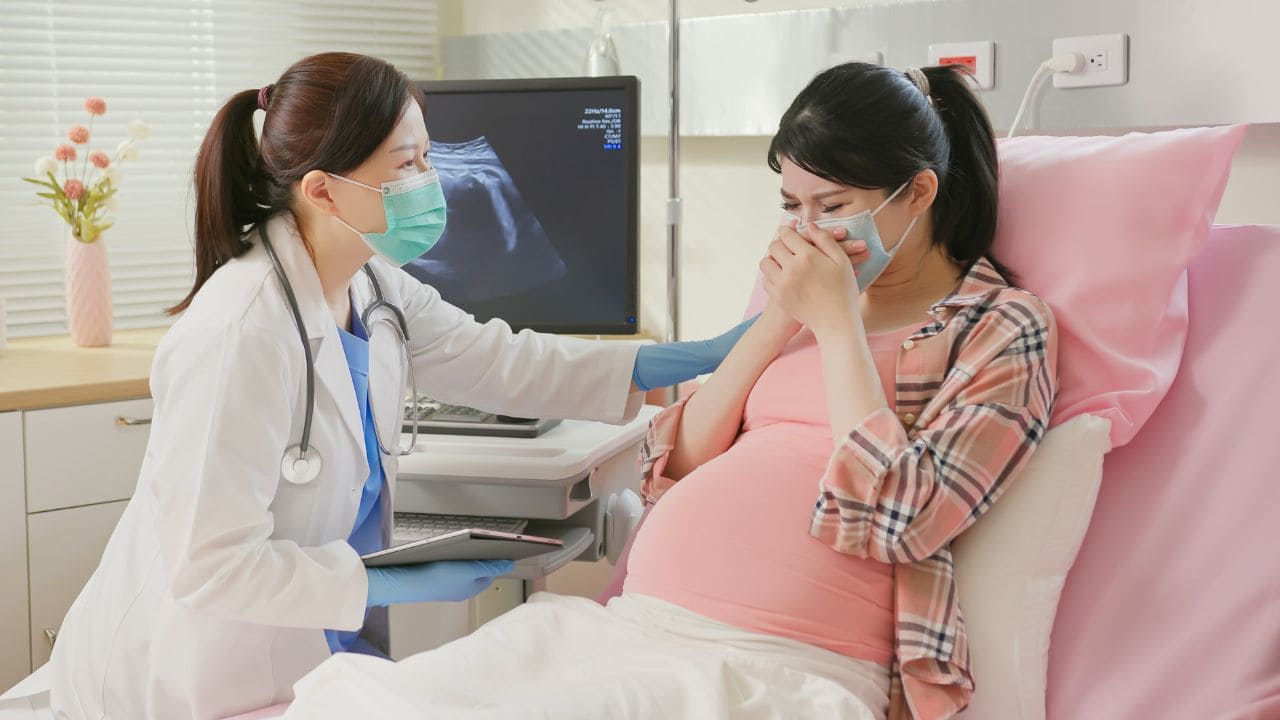
Yes — mosquito-borne diseases are significantly more dangerous during pregnancy, and the risks extend beyond the mother. Viruses and parasites carried by mosquitoes can cross the placental barrier, directly threatening fetal development, causing birth defects, premature delivery, and in severe cases, miscarriage or stillbirth. Pregnancy changes your immune system in ways that make you both more vulnerable to infection and less able to fight it off.
That should stop you mid-scroll. Because most pregnant women are warned about what they eat, what medications they take, what exercises they do — but mosquito bites? Often treated like a minor inconvenience. A footnote. They’re not.
This article covers the most important mosquito-borne illnesses and pregnancy risks, what repellents are safe to use while pregnant, how to protect yourself — and what warning signs you absolutely should not ignore.
If you’re pregnant or planning to be, read this before your next outdoor evening.
Why Are Pregnant Women More Vulnerable to Mosquito-Borne Illnesses?
This isn’t just anxiety talking. There are real, physiological reasons why pregnancy increases the risk and severity of mosquito-borne infections.
1. Immune System Suppression
During pregnancy, the immune system is deliberately modulated — it has to be. A too-aggressive immune response could attack the fetus, which the body technically identifies as “foreign.” This immune tolerance, while necessary, means infections that a healthy non-pregnant person might clear quickly can take hold more aggressively.
2. Increased Mosquito Attraction
Pregnant women actually attract more mosquitoes. Studies published in The Lancet have shown that pregnant women exhale more carbon dioxide and have a higher body temperature — both of which mosquitoes are strongly drawn to. You’re literally a more appealing target.
3. The Placental Gateway
Some pathogens — Zika virus being the most alarming example — can cross the placenta and directly infect fetal tissue. The placenta offers protection against many organisms, but not all. And for those that get through, the consequences can be devastating.
4. Limited Treatment Options
Many antiviral and antiparasitic medications that would normally be used to treat mosquito-borne diseases are contraindicated in pregnancy. This narrows treatment windows, complicates clinical decisions, and often means supportive care is the only option.
Mosquito-Borne Diseases That Are Especially Dangerous During Pregnancy
Not all mosquito-borne infections carry the same level of risk. Below is a clinical overview — organized to help you understand what’s out there without going deep into each disease (dedicated articles on each are coming).
Table 1: Mosquito-Borne Diseases & Pregnancy Risk — Quick Reference
| Disease | Mosquito | Risk to Mother | Risk to Baby / Fetus | Trimester of Greatest Concern |
| Zika Virus | Aedes | Mild illness; high risk if pregnant | Microcephaly, brain defects, miscarriage | 1st trimester (most critical) |
| Malaria | Anopheles | Severe anemia, organ failure, death | Stillbirth, low birth weight, premature birth | All trimesters |
| Dengue Fever | Aedes | Hemorrhagic fever, preterm labor | Premature birth, low birth weight, fetal distress | 3rd trimester (highest severity) |
| West Nile Virus | Culex | Flu-like to neuroinvasive disease | Possible fetal brain infection (rare but documented) | All trimesters |
| Chikungunya | Aedes | Severe joint pain, fever, fatigue | Neonatal encephalitis if mother infected near delivery | 3rd trimester / near delivery |
| Yellow Fever | Aedes | High mortality risk if severe | Miscarriage risk; vaccine contraindicated in pregnancy | All trimesters |
What stands out immediately: almost every major mosquito-borne illness carries some documented risk to the fetus, not just the mother. That alone changes how seriously we need to take prevention.
Zika Virus and Pregnancy: The Most Alarming Connection
Zika deserves special mention — not to frighten, but because it changed the entire conversation about mosquitoes and pregnancy. Before Zika, most people thought of mosquito bites as uncomfortable, occasionally serious. After the 2015–2016 outbreak, the world saw what a mosquito-transmitted virus could do to developing babies.
The CDC confirmed Zika as a cause of microcephaly — an abnormality where a baby’s head and brain are significantly smaller than normal. It also causes other severe fetal brain defects, vision and hearing problems, and joint abnormalities. Infection in the first trimester carries the highest risk of major structural damage.
If you are pregnant and traveling to any region with known Zika activity, the CDC and ACOG strongly recommend postponing the trip. There is no vaccine. There is no cure. Prevention is the only tool.
Malaria in Pregnancy: Still One of the Leading Causes of Maternal Death Globally
In endemic regions — sub-Saharan Africa, South Asia, parts of Southeast Asia and Central/South America — malaria during pregnancy is responsible for a significant proportion of maternal deaths, severe anemia, and adverse birth outcomes.
Pregnant women are 3x more likely to develop severe malaria than non-pregnant adults. The parasite (Plasmodium falciparum in particular) has an affinity for placental tissue and can accumulate there even without causing obvious maternal symptoms — meanwhile starving the fetus of nutrients and oxygen.
If you live in or plan to travel to a malaria-endemic area while pregnant, speak to your OB or a travel medicine specialist about preventive treatment. Safe chemoprophylaxis options exist for pregnancy — but require proper medical guidance.
Dengue Fever During Pregnancy: Pain, Preterm Labor, and More
Dengue is the most widespread mosquito-borne viral disease in the world. It circulates through more than 100 countries. And during pregnancy, dengue fever can trigger premature contractions, placental abruption, and hemorrhagic complications — in both mother and newborn.
Babies born to mothers who had dengue near term can develop neonatal dengue — a condition presenting with fever, low platelet count, and bleeding. There’s no specific antiviral. Management is supportive and requires close hospitalization in severe cases.
Should I Worry About Mosquito Bites While Pregnant?
The honest answer: not every mosquito bite is dangerous. Most aren’t. But your risk calculus changes completely during pregnancy — and the answer depends heavily on where you are.
Ask yourself these questions:
- Am I in or traveling to a region with active Zika, dengue, malaria, or other vector-borne disease transmission?
- Is it late summer (peak mosquito season) in an area with West Nile Virus activity?
- Do I spend extended time outdoors — especially in the evenings — without adequate protection?
- Do I have standing water near my home where mosquitoes breed?
If you answered yes to any of these, you should be actively managing your mosquito exposure — not just keeping it in mind.
If you’ve been bitten and develop any fever, rash, joint pain, or headache within 2 weeks — especially if you’ve been in a mosquito-active region — contact your OB or healthcare provider the same day. Don’t wait it out.
How to Avoid Mosquito Bites During Pregnancy: A Practical Protection Plan
Avoidance during pregnancy is about layering defenses. No single strategy is enough on its own.
Step 1: Use an EPA-Registered Repellent — The Right One
This is the single most effective individual protection measure. But not all repellents are safe in pregnancy. The table below cuts through the confusion:
Table 2: Mosquito Repellent Safety Guide for Pregnant Women
| Active Ingredient | Safe in Pregnancy? | Notes for Pregnant Women | Effectiveness |
| DEET (up to 30%) | YES | Safe after 1st trimester per CDC & AAP. Apply to clothing when possible. | Excellent (2–6 hrs) |
| Picaridin (20%) | YES | Preferred by many OBs — no scent, gentle on skin, no absorption concerns. | Excellent (up to 8 hrs) |
| IR3535 | YES | EPA-registered. Safe for all trimesters per WHO pregnancy guidelines. | Good (2–4 hrs) |
| Oil of Lemon Eucalyptus (OLE) | CAUTION | EPA-registered but not fully tested in pregnancy. Limited data. Consult OB. | Good (up to 6 hrs) |
| Permethrin (clothing only) | YES | Apply to clothes/gear only — NOT directly on skin. Highly effective barrier. | Excellent (lasts multiple washes) |
| “Natural” / Essential Oils | NOT RECOMMENDED | No proven efficacy. Some essential oils (citronella, tea tree) are NOT safe in pregnancy. | Poor (15–30 min) |
Based on CDC, EPA, and WHO guidance for pregnancy. Always consult your OB before starting any repellent. Apply after sunscreen, not before.
Step 2: Dress Smart — Especially at Dusk
Mosquitoes are most active from dusk to dawn. If you’re outside during these hours:
- Wear long-sleeved shirts and long pants — loose-fitting, light-colored
- Treat clothing with permethrin (NOT directly on skin during pregnancy)
- Wear socks and closed-toe shoes — ankles are a favorite bite location
- Tuck pants into socks in high-exposure environments
Step 3: Control Your Environment
You can dramatically reduce your personal mosquito burden by eliminating breeding sites:
- Empty any standing water weekly — flower pots, saucers, bird baths, buckets, gutters
- Keep air conditioning running — it reduces the need to open windows and keeps you cooler (less attractive to mosquitoes)
- Use window and door screens — repair any holes or gaps
- Run a fan on your porch or patio — mosquitoes are weak fliers
- Use mosquito nets over the bed if windows are open
Step 4: Be Strategic About Timing and Location
Simple behavioral changes can significantly cut your exposure:
- Avoid outdoor activity between dusk and dawn when possible
- Stay away from areas with tall grass, stagnant water, or dense vegetation
- If traveling internationally, check CDC Travel Health Notices for your destination before booking
- For high-risk destinations (Zika zones, malaria zones), consult a travel medicine specialist or your OB at least 4–6 weeks before travel
Pregnancy & Mosquito-Borne Illness by Trimester: When Risk Is Highest
Risk varies throughout pregnancy — and so does the nature of the threat.
First Trimester (Weeks 1–13)
This is the most critical window for fetal organ development. Zika virus infection in the first trimester poses the highest risk of microcephaly and serious brain malformations. Any infection during this period can potentially interfere with the foundational architecture of fetal development. Fever itself — regardless of cause — in the first trimester has been associated with neural tube defects.
Second Trimester (Weeks 14–27)
The fetus is growing rapidly. Malaria and dengue can cause significant placental disruption during this period — restricting fetal growth and increasing the risk of intrauterine growth restriction (IUGR). Immune suppression continues.
Third Trimester (Weeks 28–40)
Dengue and chikungunya infections near delivery carry the specific risk of maternal-to-neonatal transmission during childbirth. A mother with active dengue at the time of delivery may pass the virus to the newborn — who then develops neonatal dengue, a serious condition requiring intensive monitoring. Preterm labor is also a documented complication of several mosquito-borne infections in the third trimester.
Travel During Pregnancy: Mosquito Risk Zones to Know
Traveling while pregnant is not automatically off the table — but destination matters enormously when it comes to mosquito-borne disease risk.
The CDC maintains a tiered Travel Health Notice system:
- Level 1 (Watch): Practice usual precautions
- Level 2 (Alert): Enhanced precautions recommended
- Level 3 (Warning): Avoid non-essential travel
- Level 4 (Do Not Travel): Avoid all travel
For pregnant women, the threshold should be lower than for the general public. A Level 1 advisory for a healthy traveler may be a Level 2 or 3 concern during pregnancy. Always check the CDC Travel Health website (wwwnc.cdc.gov/travel) before any international trip.
Countries or regions currently or historically flagged for Zika, yellow fever, or intense malaria transmission — including parts of Brazil, sub-Saharan Africa, Southeast Asia, and the Caribbean — require explicit guidance from your OB or a travel medicine physician before you go.
Warning Signs After a Mosquito Bite During Pregnancy: When to Call Your Doctor
Most mosquito bites cause nothing more than local itching. But during pregnancy, it’s important to know when to escalate.
Call Your OB or Healthcare Provider If You Develop:
- Any fever over 100.4°F (38°C) within 2 weeks of a possible mosquito bite — especially if you were in a high-risk area
- Skin rash that spreads, is widespread, or appears alongside fever
- Severe headache with eye pain or light sensitivity
- Joint pain or swelling in multiple joints
- Nausea, vomiting, or abdominal pain with fever
- Decreased fetal movement — always worth contacting your provider
Go to the Emergency Room Immediately If:
- High fever with confusion or altered mental state
- Bleeding or bruising not related to injury
- Difficulty breathing or chest pain
- Signs of labor or severe cramping before your due date
Don’t try to self-diagnose. Many mosquito-borne illnesses present similarly to each other — and to other common illnesses. A blood test can often identify the specific pathogen quickly. Early diagnosis matters.
Final Thoughts: A Single Mosquito Bite Shouldn’t Be Taken Lightly During Pregnancy
Mosquito-borne diseases during pregnancy aren’t a fringe concern for exotic travelers only. They’re a real, under-discussed risk that affects pregnant women in tropical, subtropical, and increasingly temperate regions — including right here in the United States.
The good news: protection is possible. Using the right repellent, dressing strategically, eliminating breeding grounds around your home, and making informed decisions about travel — these steps genuinely reduce your risk. They’re not complicated. They just require intention.
Your baby’s development depends on an environment free from preventable disruptions. Mosquitoes, small as they are, can cause big damage when the timing is wrong. Don’t give them the opportunity.
And if you’re ever unsure — if you’ve been bitten in a high-risk area, if you develop fever or rash — call your OB. Same day. Not tomorrow.
Are you pregnant or have you been pregnant in a high-mosquito-risk area? Did you have concerns about mosquito-borne diseases during your pregnancy — or did you wish you’d known more before traveling? Share your experience in the comments. Your story might help another expectant mother make a better-informed decision.
Editorial Team & Contributors

Raashid Ansari, Founder, Content Researcher & Author - MosquiTalk
Not an entomologist — just a genuinely curious writer who started researching mosquitoes and couldn't stop. What began as casual reading about repellents and bite prevention gradually turned into a deep ongoing dive into vector biology, disease epidemiology, animal health impacts, and the real science behind mosquito control. Everything published here is carefully edited, and written with one purpose: giving readers accurate, accessible information they can actually trust and use to protect themselves, their families, and their pets, birds and cattle.
Active across social platforms, regularly publishes, and genuinely invested in spreading mosquito awareness where it matters most. Because informed readers make better decisions — and better decisions save lives.