
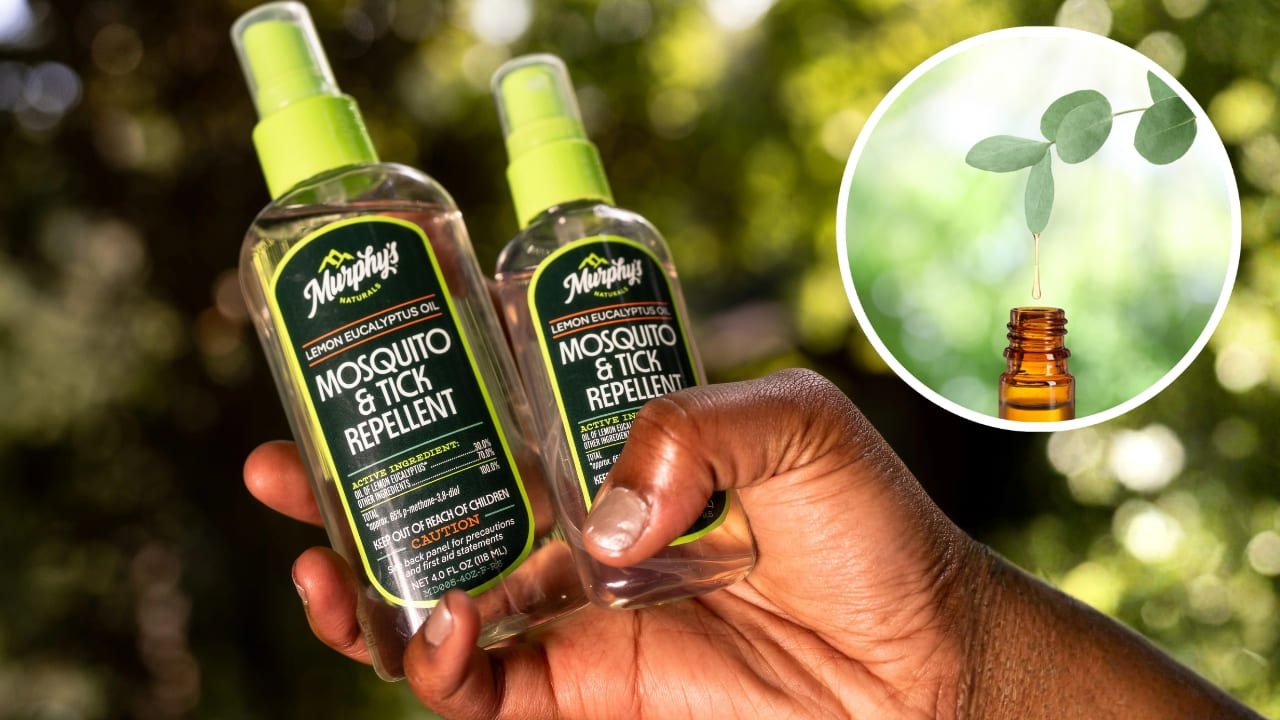
Table of Contents
Oil of Lemon Eucalyptus (OLE) — What it is, How it Works, and When to Use it?
You’ve tried citronella candles. Burned through coils. Worn long sleeves in 90-degree heat. And somehow, the mosquitoes still find you. If that sounds familiar, there’s a plant-based repellent worth knowing about — one that isn’t a gimmick, isn’t just another essential oil, and is actually backed by serious science.
Oil of Lemon Eucalyptus, abbreviated as OLE, is one of the very few natural mosquito repellents that has earned EPA registration and a CDC recommendation. That distinction matters enormously in a market flooded with unproven natural alternatives.
What Is Oil of Lemon Eucalyptus (OLE)?
This is where most people get confused — and the confusion matters, because the wrong product simply will not work.
OLE is not the same as lemon eucalyptus essential oil. They come from the same plant — Eucalyptus citriodora — but the similarity ends there:
- Lemon eucalyptus essential oil — raw, steam-distilled extract used in aromatherapy and cosmetics. No meaningful repellent effect.
- Oil of Lemon Eucalyptus (OLE) — refined, processed extract specifically concentrated for its active compound: PMD (para-menthane-3,8-diol).
PMD is what does the actual repellent work. Without sufficient PMD concentration, you have a pleasant-smelling lotion — not mosquito protection. That is exactly why using a standard essential oil instead of a registered OLE product leaves you unprotected.
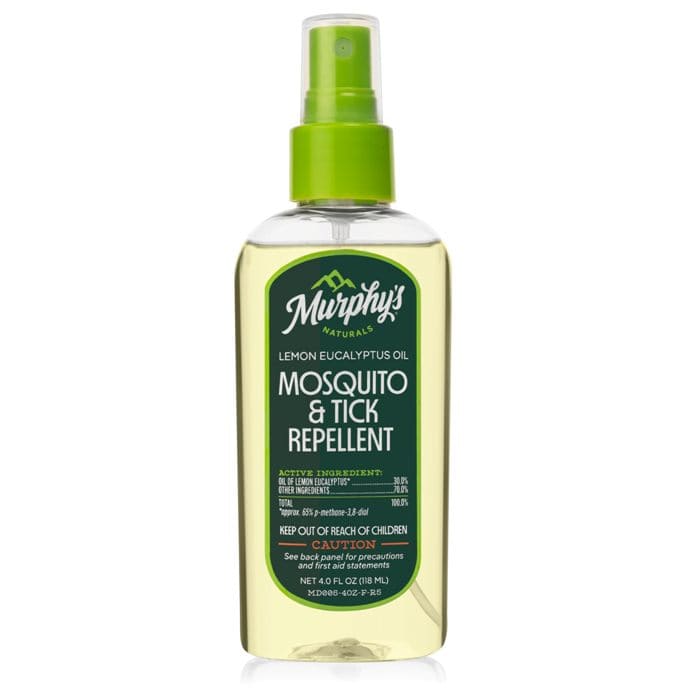
Image Credit: Murphy’s Naturals
How Oil of Lemon Eucalyptus (OLE) Repels Mosquitoes (The Science)
To understand how OLE works, you first need to understand how mosquitoes find you. They use a layered, sequential detection system:
- CO₂ from your breath — the primary long-range signal, tracked from up to 50 meters away.
- Body heat — detected at close range using infrared-sensitive pit organs.
- Skin odor compounds — volatile chemicals from skin that confirm host identity.
- Lactic acid from sweat — a close-range attractant that amplifies the signal.
PMD disrupts this system by interfering with the olfactory receptors mosquitoes use to detect skin-derived chemical cues. Research published in the Journal of the American Mosquito Control Association showed that PMD effectively masks the volatile signals mosquitoes rely on to lock onto a host.
The result: mosquitoes in the vicinity lose the signal mid-approach. They do not land. The mechanism is well-understood, reproducible in lab settings, and consistent with field performance data.
How Effective Is OLE Compared to DEET?
Honest answer: DEET is still the gold standard for duration and breadth of protection. But OLE is closer than most people realize.
According to the CDC, OLE products containing 30–40% PMD can provide protection comparable to low-to-moderate DEET concentrations. Studies have documented OLE providing up to 6 hours of protection against Aedes aegypti — the primary vector of dengue, Zika, and chikungunya.
Table 1: OLE vs DEET vs Picaridin vs Other Natural Repellents — Head-to-Head Comparison
| Feature | OLE / PMD | DEET (20–30%) | Picaridin | Citronella / Other Naturals |
|---|---|---|---|---|
| EPA Registered | Yes | Yes | Yes | Generally No |
| CDC Recommended | Yes | Yes | Yes | No |
| Protection Duration | 4–6 hours | 4–8 hours | 4–8 hours | 30 min – 2 hours |
| Plant-Based | Yes | No (synthetic) | No (synthetic) | Yes |
| Damages Plastics / Synthetics | No | Yes | No | No |
| Safe for Children Under 3 | No | Yes (low conc.) | Yes (low conc.) | Varies |
| Skin Feel / Odor | Mild herbal scent, light feel | Oily, strong scent | Odorless, light feel | Strong, variable |
| Scientific Evidence Strength | Strong | Very Strong | Very Strong | Weak to Moderate |
Where Oil of Lemon Eucalyptus (OLE) falls behind:
- very high mosquito density,
- prolonged tropical exposure, or
- when protection against a wide range of species is needed.
In those situations, DEET or picaridin remain the more reliable choice.
Benefits of Using Oil of Lemon Eucalyptus OLE as a Natural Mosquito Repellent
OLE’s advantages go beyond just being plant-based. There are concrete, practical reasons people choose it:
- Lower toxicity profile — no risk of DEET-related skin irritation or allergies, neurological concerns at high exposure, or degradation of plastics and synthetic fabrics.
- Better compliance — a repellent people apply consistently beats one they use once. OLE’s lighter feel and mild scent improve real-world usage rates.
- Environmentally cleaner — derived from a renewable plant source, biodegrades more readily, does not accumulate in water systems.
- EPA-registered and CDC-recommended — unlike citronella, lavender, and most other natural options, OLE has cleared an evidentiary bar that matters.
- Works across common exposure scenarios — evenings outdoors, hiking, camping, travel to dengue or Zika risk areas with moderate mosquito density.
How to Use Oil of Lemon Eucalyptus Safely and Effectively
Getting the application right is the difference between real protection and false confidence.
Table 2: OLE Safe Usage Guide — Application Best Practices
| Usage Factor | Recommended Practice | Why It Matters |
|---|---|---|
| Product selection | Use EPA-registered OLE product only | Essential oil has insufficient PMD to repel mosquitoes effectively |
| Application coverage | Apply thoroughly to all exposed skin | Mosquitoes locate any exposed gap; uneven coverage leaves vulnerable areas |
| Reapplication timing | Every 4–6 hours; sooner if sweating or after water contact | Heat, humidity, and sweat accelerate breakdown of the repellent barrier |
| Age restriction | Do not use on children under 3 years old | OLE safety has not been evaluated in this age group — CDC restriction is categorical |
| Face application | Apply to hands first, then spread to face carefully | Avoids contact with eyes, mouth, and mucous membranes |
| Sunscreen layering | Apply sunscreen first, OLE repellent second | Correct layering maintains effectiveness of both products |
| Under clothing | Do not apply under clothing | OLE works on exposed skin surface only; under-clothing use adds no protection |
Common Mistakes That Reduce Effectiveness of Oil of Lemon Eucalyptus (OLE)
These are the most frequent reasons Oil of Lemon Eucalyptus (OLE) underperforms — almost always due to misuse, not product failure:
1. Using essential oil instead of OLE.
If the label doesn’t list PMD or OLE as the active ingredient with an EPA registration number, it will not work — regardless of how strongly it smells of eucalyptus.
2. Applying too little.
OLE requires thorough, even coverage — think sunscreen application, not a light mist. Gaps in coverage are gaps in protection.
3. Not reapplying.
Effectiveness degrades steadily. One morning application does not last a full day outdoors, especially in heat and humidity.
4. Wrong sunscreen layering.
Sunscreen goes on first, repellent second. Combination sunscreen-repellent products are generally less effective for both functions.
5. Applying under clothing.
Oil of Lemon Eucalyptus (OLE) works on exposed skin only. Applying it under fabric adds nothing and may cause irritation.
Who Should Use — and Who Should Be Cautious With — OLE
Table 3: Oil of Lemon Eucalyptus (OLE) Suitability Guide — Who Benefits, Who Should Be Careful, Who Should Choose Alternatives
| Well Suited For | Use With Caution | Avoid / Choose Alternative |
|---|---|---|
| Adults seeking plant-based repellent | People with sensitive or reactive skin (patch test first) | Children under 3 years old |
| Children over 3 years old | Pregnant women (consult healthcare provider first) | Travelers to high malaria-transmission zones (use DEET instead) |
| Moderate outdoor exposure (evenings, hiking, camping) | Individuals with known eucalyptus or plant extract allergies | Prolonged high-density tropical mosquito exposure |
| Travel to dengue or Zika risk areas (moderate exposure) | First-time users — test on small skin area first | Anyone substituting essential oil for OLE expecting equivalent results |
| People avoiding DEET due to skin sensitivity or fabric concerns |
📰 Must Read,
✔️ Essential Oils That Repel Mosquitoes Better Than DEET
✔️ Is Eucalyptus Oil Safe for Dogs?
Conclusion
Oil of Lemon Eucalyptus is one of the very few plant-based repellents that earns its place on scientific merit, not marketing. The CDC recommends it. The EPA registers it. The evidence supports it.
Before you reach for it — or any repellent — run through this quick checklist:
✔ Check the label: OLE or PMD must appear as the active ingredient with an EPA registration number
✔ Apply thoroughly: all exposed skin, evenly, like sunscreen — not a light spray
✔ Reapply every 4–6 hours: sooner if sweating heavily or after water contact
✔ Never use on children under 3: CDC restriction, non-negotiable
✔ Sunscreen first, OLE second: always in that order
✔ Do not substitute essential oil: it will not protect you
For most outdoor situations most people actually face, Oil of Lemon Eucalyptus OLE does the job — and does it without the trade-offs that send people searching for alternatives in the first place.
Frequently Asked Questions (FAQs)
Q. Can you put eucalyptus oil on your skin?
Yes, but not directly from the bottle. Pure eucalyptus essential oil is too concentrated for direct skin application — it can cause irritation, redness, or even a mild burn if applied undiluted. Always mix it with a carrier oil like coconut or jojoba first. A 2–3% dilution is generally considered safe for adults. Kids are a different story — be more cautious there.
Q. Is eucalyptus oil good for mosquito repellent?
Here’s where it gets confusing. Regular eucalyptus essential oil? Not really. It has some mild repellent compounds but nowhere near enough concentration to actually protect you. What works is Oil of Lemon Eucalyptus (OLE) — which is a completely different, refined product with concentrated PMD. That one is CDC-recommended. The essential oil is not. People mix them up constantly and then wonder why they’re still getting bitten.
Q. Can you ingest eucalyptus oil?
No. Eucalyptus oil is toxic when swallowed — even small amounts can cause serious problems including seizures, vomiting, and difficulty breathing. This applies to adults too, not just children. It should never be taken internally. Some people confuse it with food-safe eucalyptus honey or herbal teas, which is a completely different thing. The oil itself — keep it away from mouths entirely.
Q. Is eucalyptus oil good for skin?
It can be, when used correctly and diluted properly. Eucalyptus oil has antimicrobial and anti-inflammatory properties that some people find helpful for minor skin irritation, insect bites, and acne. The scent also has a cooling, slightly numbing effect that feels genuinely good on irritated skin. That said — sensitive skin, broken skin, or skin on children under 2 is not the place to experiment with it.
Q. What is eucalyptus oil used for?
More than most people realize. Respiratory relief is the big one — inhaling steam with a few drops is a classic cold and congestion remedy. It’s also used in muscle rubs for soreness, in cleaning products for its antimicrobial properties, in dental care, and in aromatherapy for mental clarity. Some people use diluted eucalyptus oil on minor wounds or skin irritation. It’s genuinely versatile. Just not something you can use carelessly.
Q. Does eucalyptus oil repel other insects besides mosquitoes?
Yes, to some extent. Eucalyptus oil — and OLE specifically — has shown some repellent activity against ticks, flies, and midges in addition to mosquitoes. It’s not a broad-spectrum insect repellent the way DEET is, but it does more than just one job. For tick-heavy environments though, DEET or permethrin on clothing is still the more reliable choice.
Q. How long does eucalyptus oil smell last on skin?
The scent fades pretty quickly — usually within an hour or two depending on your skin, how much you applied, and whether you’re sweating. This is also roughly why OLE-based repellents need reapplication every 4–6 hours. The active compounds break down at a similar rate to the scent, so when you can barely smell it anymore, it’s usually time to reapply.
Q. Can eucalyptus oil be used around pets?
This is important — eucalyptus oil is toxic to cats and dogs. Both ingestion and prolonged skin contact can cause drooling, weakness, vomiting, and worse. Diffusing it heavily in a small enclosed space with pets is not a great idea. Some pet owners use it very sparingly in well-ventilated areas and have no issues, but the general advice from veterinarians leans toward keeping it away from animals altogether.
Q. Is eucalyptus oil safe during pregnancy?
This one genuinely lacks a clear answer. Eucalyptus oil is generally listed as something to avoid or use only sparingly during pregnancy, particularly in the first trimester. The concern is less about topical use at low concentrations and more about inhalation in high amounts or any internal exposure. If you’re pregnant and want to use it, a quick conversation with your doctor is worth having before you do.
Q. What is the difference between eucalyptus oil and eucalyptus essential oil?
They’re usually the same thing — the term gets used interchangeably. Where it gets important is when someone says “lemon eucalyptus oil.” That phrase might mean the essential oil from the lemon eucalyptus tree, or it might mean Oil of Lemon Eucalyptus (OLE) — and those two are very different products with very different uses. The essential oil is for aromatherapy. OLE is the one that actually repels mosquitoes. Worth reading the label carefully before assuming.
Editorial Team & Contributors

Raashid Ansari, Founder, Content Researcher & Author - MosquiTalk
Not an entomologist — just a genuinely curious writer who started researching mosquitoes and couldn't stop. What began as casual reading about repellents and bite prevention gradually turned into a deep ongoing dive into vector biology, disease epidemiology, animal health impacts, and the real science behind mosquito control. Everything published here is carefully edited, and written with one purpose: giving readers accurate, accessible information they can actually trust and use to protect themselves, their families, and their pets, birds and cattle.
Active across social platforms, regularly publishes, and genuinely invested in spreading mosquito awareness where it matters most. Because informed readers make better decisions — and better decisions save lives.