
Table of Contents
What are Culex Mosquitoes?
Culex mosquitoes belong to the family Culicidae and the genus Culex — with over 770 described species, it is the largest mosquito genus in the world. Found on every continent except Antarctica, these mosquitoes are best known as the primary vectors of West Nile virus, Japanese encephalitis, and lymphatic filariasis. Unlike the aggressive daytime biter Aedes aegypti, Culex species operate mostly under cover of darkness — feeding from dusk to dawn, breeding in stagnant water, and quietly cycling pathogens between birds and humans. And all of that transmission hinges on a single actor: the bite of the female.
Introduction to Culex Mosquito
The Culex mosquito is one of the most widespread and medically significant mosquito genera on the planet. Found on every continent except Antarctica, these small insects are responsible for transmitting some of the world’s most debilitating diseases — including West Nile virus, Japanese encephalitis, and lymphatic filariasis.
Unlike the widely discussed Aedes mosquito, which bites aggressively during the day, Culex mosquitoes are primarily nocturnal feeders. They thrive in standing water — storm drains, rice paddies, ditches — and are extraordinarily adaptable. That combination of behavioral stealth and biological flexibility makes them a persistent public health challenge.
This article covers everything you need to know about Culex mosquitoes: their biology, identification, biting patterns, disease transmission, breeding habits, and — critically — how to control them.
Culex Mosquito: A Scientific Overview
Culex is a genus in the family Culicidae, the true mosquitoes. The genus includes over 770 described species, making it the largest mosquito genus in the world. The name comes from the Latin word for “midge” or “gnat.”
Taxonomically, they belong to the order Diptera (two-winged insects), and like all mosquitoes, only the females require a blood meal — primarily to develop eggs. Males, on the other hand, feed exclusively on nectar and plant sugars.
A few key facts to set the stage:
- Distribution: Found globally — tropical, subtropical, and temperate zones
- Feeding time: Mostly crepuscular and nocturnal (dusk to dawn)
- Preferred hosts: Birds are the primary reservoir hosts; humans and mammals are incidental
- Breeding habitat: Stagnant, organically rich water sources
- Key species: Culex pipiens, Culex quinquefasciatus, Culex tarsalis, Culex tritaeniorhynchus
How to Identify a Culex Mosquito — Physical Appearance
At first glance, Culex mosquitoes look unremarkable. Brown, slender, quietly hovering — easy to dismiss as “just a mosquito.” But look closer, and there are specific physical traits that separate them cleanly from Aedes, Anopheles, and other genera. Knowing what to look for matters — especially for surveillance teams, pest control professionals, and anyone trying to confirm what’s biting them at dusk.
i) Overall Size and Coloration
Adult Culex mosquitoes are medium-sized insects, falling within a fairly consistent size range:
- Body length: 4–10 mm, depending on species and nutritional status during larval development
- Wingspan: approximately 6–9 mm
- Weight: negligible — roughly 2–2.5 mg in most species
Coloration is understated compared to many other mosquito genera:
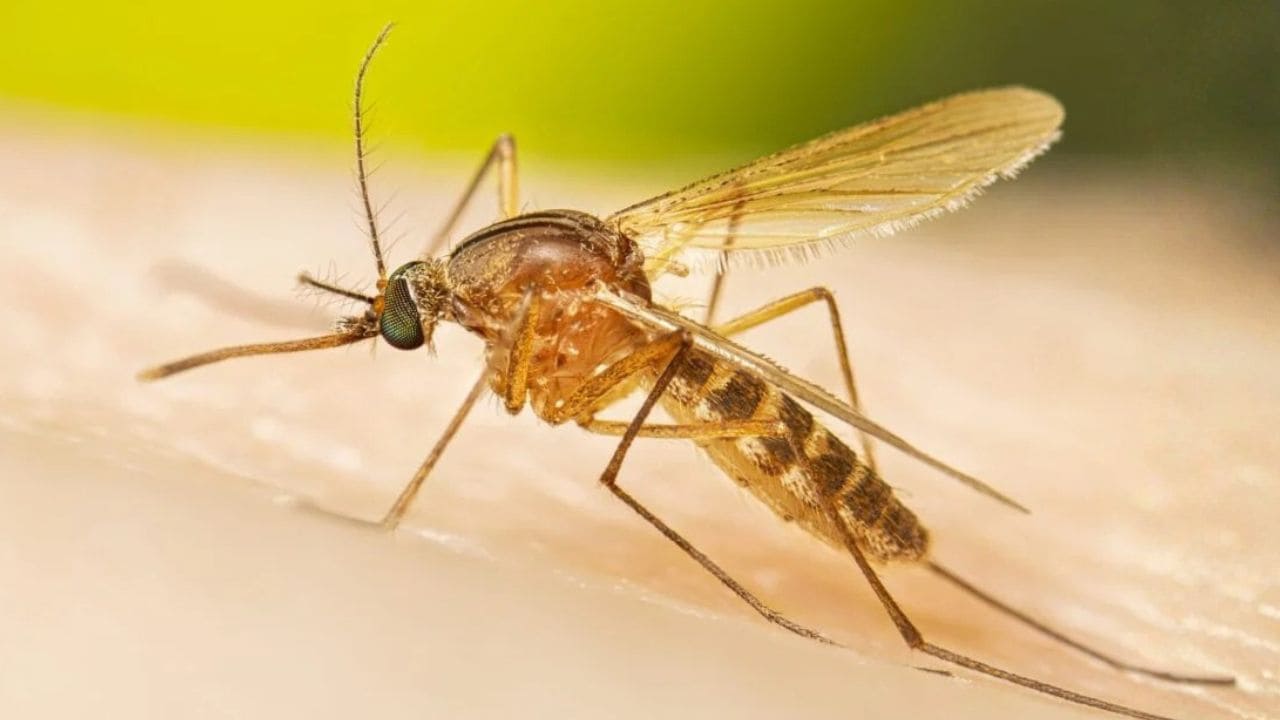
- Base body color ranges from pale tan to medium brown
- The abdomen displays pale yellowish or whitish transverse bands across each segment — visible to the naked eye under good lighting
- No bold black-and-white striping — a key contrast with Aedes albopictus (the Asian tiger mosquito) and Aedes aegypti, both of which carry distinctive white markings
- Wing scales are uniformly brown — no white spots or patches on the wings
That plainness is itself diagnostic. If you’re looking at a heavily patterned mosquito, it’s probably not Culex.
ii) Head — Proboscis, Palps, and Eyes
The head carries the most forensically useful identification features:
- Proboscis: Long, slender, and uniformly dark brown to black — used by females for piercing skin and drawing blood; in males, adapted only for feeding on plant sugars
- Palp length (females): Short — approximately one-quarter the length of the proboscis. This is a critical differentiator from Anopheles females, whose palps are nearly equal in length to the proboscis
- Palp length (males): Long and club-tipped — roughly as long as the proboscis, with a slight upward curve at the tip
- Eyes: Large, compound, and dark — wrapping around much of the head; no specialized eye features distinguishable without magnification
- Clypeus: Small, rounded structure between the eyes; pale in color
The palp-to-proboscis ratio is one of the fastest genus-level identifiers used in field entomology.
iii) Antennae — Female vs. Male
Antennal structure differs sharply between sexes and is visible without magnification in good lighting:
Female antennae:
- Described as pilose — sparsely haired, with short, fine bristles along each segment
- Appear thin and wire-like
- Functional role: detecting carbon dioxide, body heat, and chemical cues (octenol, lactic acid) from potential hosts
Male antennae:
- Described as plumose — densely feathery, with long, elaborate whorls of hair-like fibrils on each segment
- Appear distinctly bushy — almost fur-like under magnification
- Functional role: acoustic detection — tuned to the wingbeat frequency of females (approximately 300–500 Hz) to locate mates during swarming
This antennal difference is one of the fastest ways to distinguish male from female Culex in the field, even without a microscope.
iv) Thorax
The thorax — the middle body segment — is:
- Rounded and slightly humped when viewed from the side
- Covered in pale brown to golden-brown scales, sometimes with a subtle iridescent sheen under direct light
- Scutellum (the shield-like structure at the rear of the thorax): trilobed in Culex — a feature distinguishable under low magnification that helps separate them from Anopheles, which has a more evenly rounded scutellum
- Legs attach to the thorax — long, slender, and dark brown, occasionally with pale banding at the joints depending on the species
v) Abdomen
The abdomen is segmented and provides useful visual cues:
- Unfed female: Slender, tapered, with a blunt, rounded tip — distinguishable from Anopheles females, which have a more pointed abdominal terminus
- Engorged female (post blood meal): Abdomen swells visibly and turns dark reddish-brown to almost black, distended with blood
- Banding: Each abdominal segment typically shows a pale basal band — whitish or yellowish — at the base, creating a ringed appearance along the dorsal surface
- Gravid female (egg-laden): Abdomen appears broader and darker, sometimes with a slightly grayish tint as eggs develop
vi) Wings
Wing characteristics in Culex mosquitoes:
- Shape: Narrow and elongated, with a pointed tip
- Scale covering: Dense scales along the veins — brown, without patterning
- Resting position: Held flat and parallel to the body, overlapping slightly — giving the mosquito a streamlined silhouette at rest
- No white spots or pale patches on the wing surface — a consistent distinguishing trait from patterned species like Aedes
vii) Resting Posture — A Practical Field Identifier
Body posture at rest is one of the most practical, naked-eye identification tools:
| Feature | Culex | Anopheles |
|---|---|---|
| Body angle at rest | Parallel to surface | Steep angle — abdomen raised |
| Proboscis direction | Parallel to surface | Angled downward |
| Overall silhouette | Horizontal, compact | Distinctive tilted “head-down” stance |
Culex mosquitoes rest with the entire body axis roughly horizontal — head, thorax, and abdomen in a fairly straight line. Anopheles rest at a steep, unmistakable angle with the abdomen pointing upward. That single posture difference is enough for an experienced observer to make a confident genus-level identification without catching the specimen.
viii) Legs
Often overlooked, but worth noting:
- Long and slender — characteristic of all culicid mosquitoes
- Dark brown to black in most Culex species
- Some species (e.g., Culex tarsalis) show white banding on the tarsal segments — useful for species-level identification in the field
- Legs are fragile and frequently lost during collection, which is why they are supplementary — not primary — identification features
Culex Mosquitoes Images and Closeups for Major Known Species
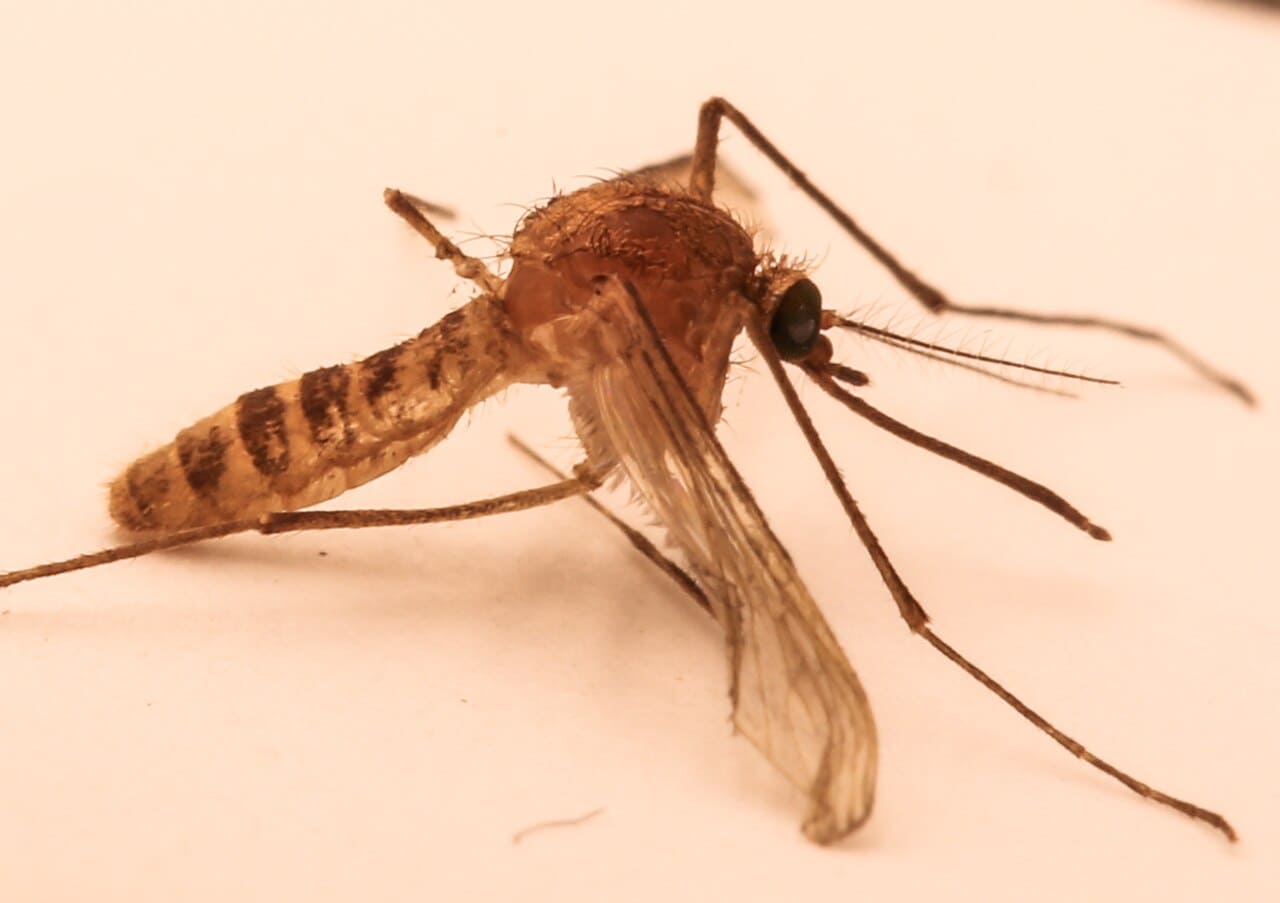
Image Credit: Walkabout12, Wikimedia Commons
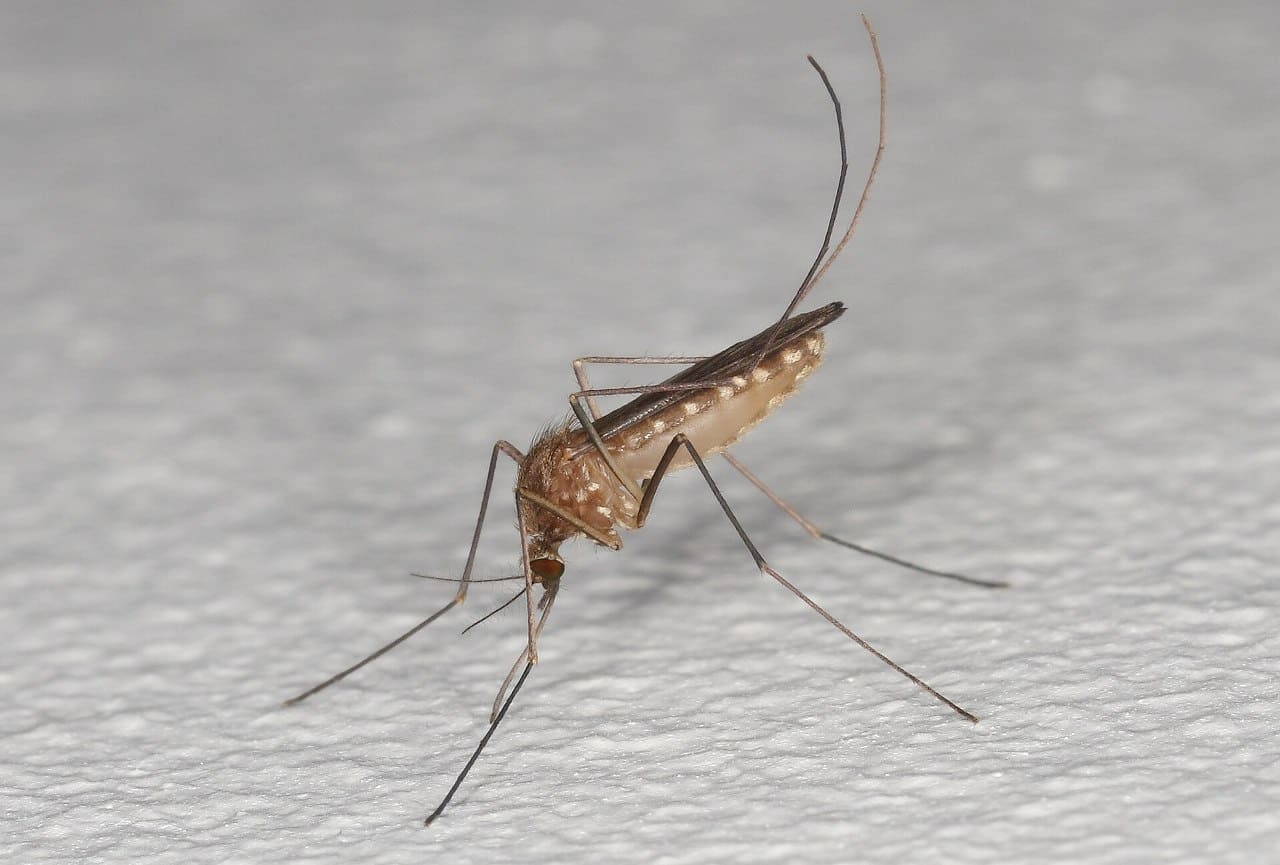
Image Credit: Donald Hobern, Wikimedia Commons
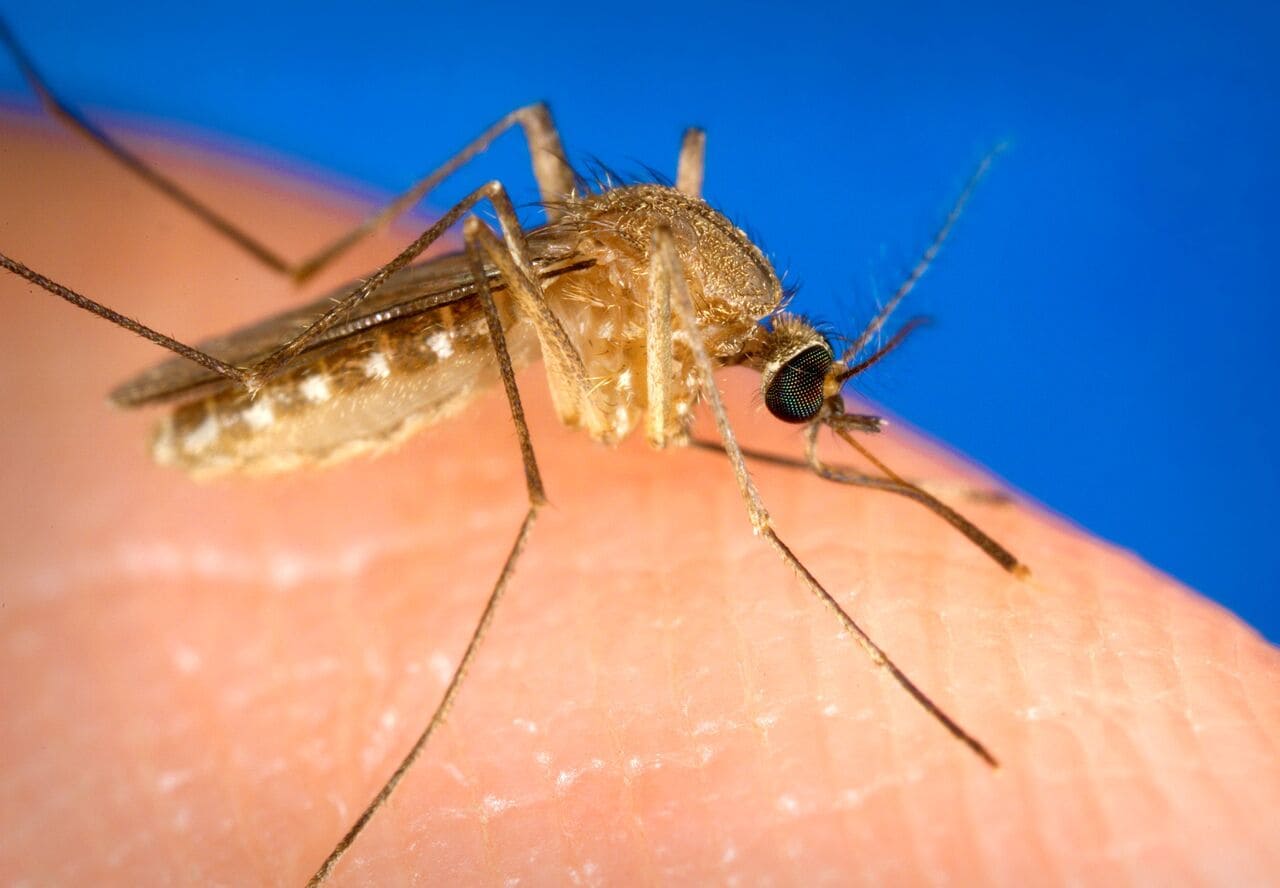
Image Credit: James Gathany, USCDCP
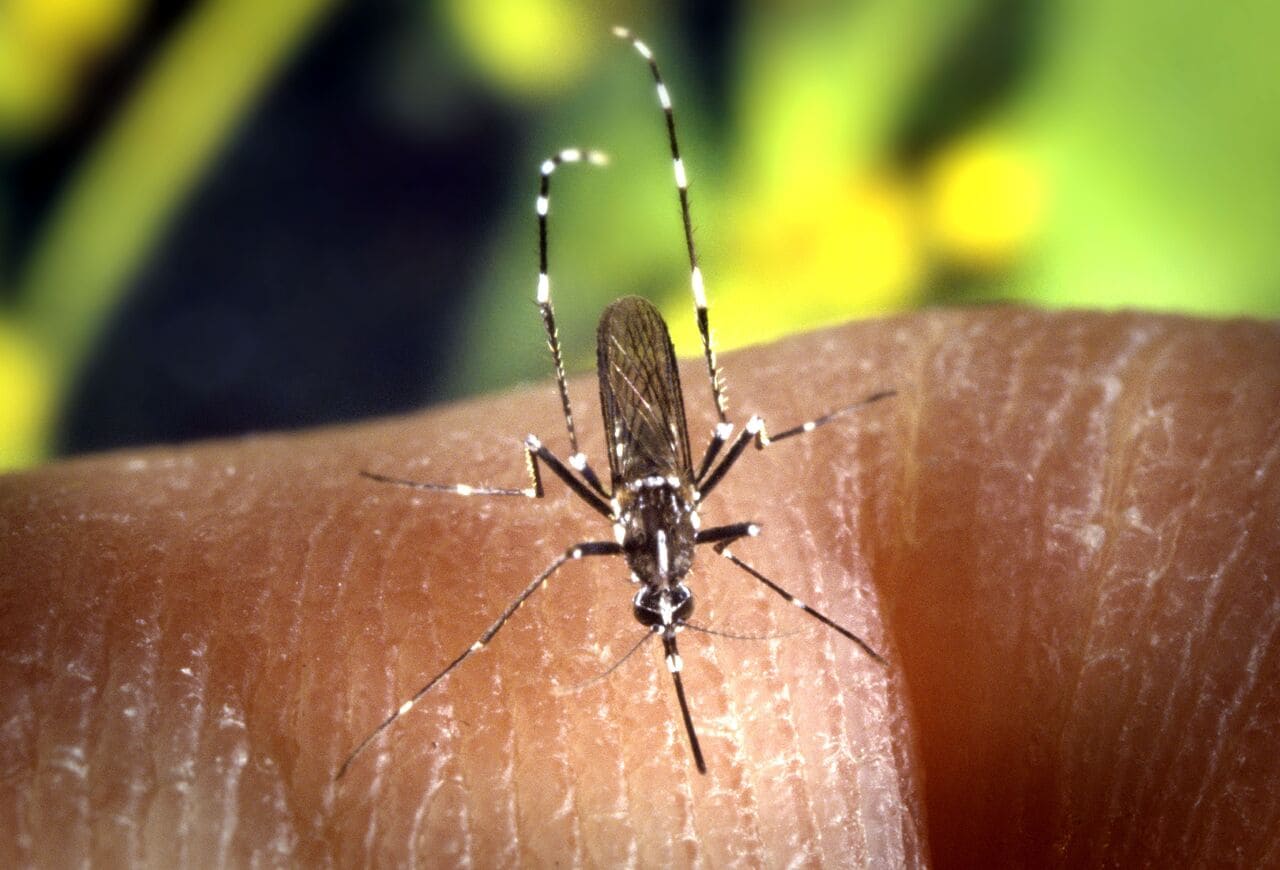
Image Credit: James Gathany, USCDCP
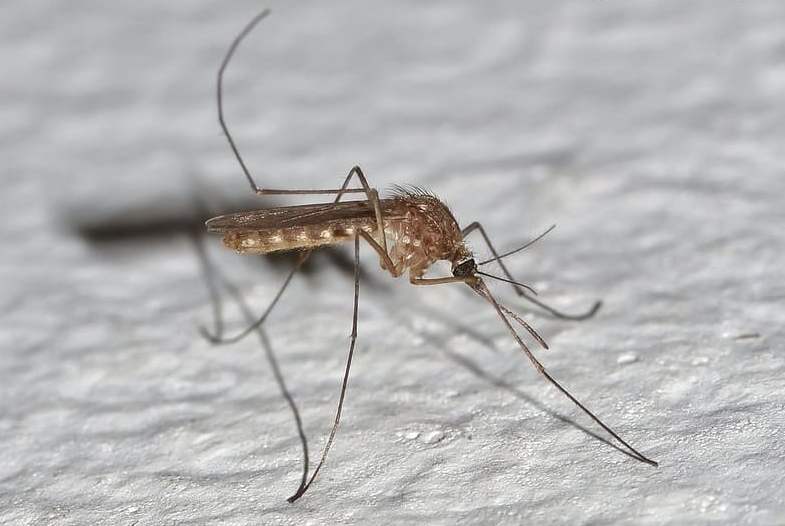
Image Credit: Marcello Consolo, Flickr
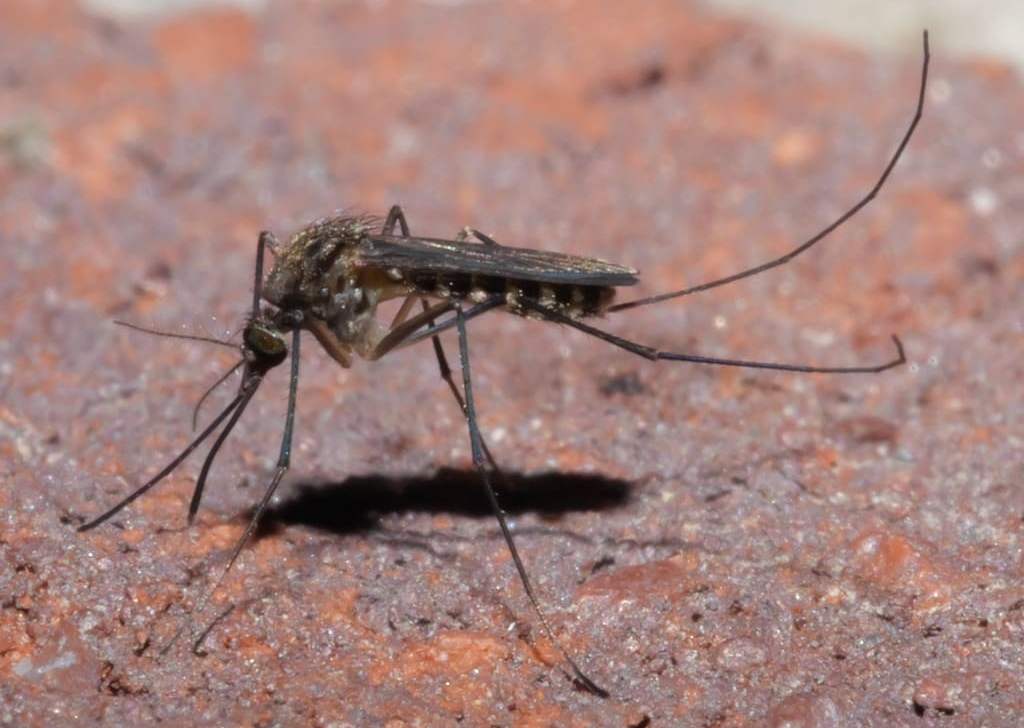
Image Credit: xpda, Wikimedia Commons
Female Culex Mosquito: The Real Vector
When people talk about mosquito-borne disease, they are — without exception — talking about the female. The male Culex mosquito is biologically incapable of biting. It never has been, never will be. The entire public health burden of West Nile virus, Japanese encephalitis, lymphatic filariasis, and every other Culex-transmitted pathogen rests on one sex, one behavior, and one biological imperative: the female’s need for blood to reproduce.
Why Does the Female Culex Mosquito Bite?
It’s not hunger. Female Culex mosquitoes — like all female mosquitoes — feed on plant nectar and sugars for their own energy needs. The blood meal serves an entirely different purpose.
Blood provides the protein and lipid resources required for egg development. Without it, the female cannot produce viable eggs. This process is called gonotrophic cycling — each blood meal fuels one batch of eggs, after which the female seeks another host, feeds again, and repeats the cycle.
- A single blood meal yields approximately 100–400 eggs per gonotrophic cycle in most Culex species.
- The female may complete multiple gonotrophic cycles during her adult lifespan.
- Each cycle takes approximately 3–4 days under warm conditions — blood meal, egg development, oviposition, then back to host-seeking.
That cycle is precisely what makes her dangerous. Every time she feeds, she has the potential to acquire a pathogen from one host and deliver it to the next.
Physical Traits That Define the Female Culex Mosquitoes
Several anatomical features distinguish the female Culex from the male — and from females of other genera:
Proboscis:
- Long, straight, and uniformly dark
- Fully adapted for skin piercing and blood extraction
- Contains two channels — one delivers saliva (which includes anticoagulants and immunomodulatory compounds), the other draws blood upward
- It is through this saliva channel that pathogens are transmitted
Palps:
- Short — roughly one-quarter the length of the proboscis
- This short-palp trait immediately separates female Culex from female Anopheles, whose palps are nearly as long as the proboscis
Antennae:
- Sparsely haired (pilose) — fine, bristle-like
- Densely packed with sensory receptors tuned to detect:
- Carbon dioxide (CO₂) exhaled by hosts
- Body heat and infrared signatures
- Chemical attractants — octenol, lactic acid, ammonia, fatty acids present in human skin and sweat
Abdomen:
- Blunt, rounded tip — one of the fastest visual differentiators from Anopheles females
- Visibly engorges and darkens to reddish-brown after a blood meal
- Expands noticeably when gravid (egg-laden)
How the Female Finds a Host?
The female Culex mosquito doesn’t bite randomly. She is a sophisticated, chemosensory-driven hunter — and she is remarkably good at locating hosts.
Host-seeking behavior is triggered by a cascade of sensory cues, detected in sequence as the mosquito closes in:
- Long-range detection: CO₂ plumes exhaled by a breathing host — detectable from up to 50 meters under calm conditions
- Mid-range orientation: Body heat, skin odor compounds (lactic acid, octenol, 1-octen-3-ol), and moisture gradients narrow the search
- Close-range landing: Skin temperature and the specific chemical profile of the target host guide final approach and probing site selection
Culex mosquitoes show a strong preference for birds as primary hosts — this is fundamental to their role in arboviral transmission cycles. However, they are opportunistic and will readily feed on humans, horses, and other mammals when bird hosts are less accessible. This host-switching behavior — feeding on both birds and mammals — is precisely what makes them such effective bridge vectors for diseases like West Nile virus.
The Culex Mosquito Bite — What Actually Happens
The mechanics of a Culex bite are more complex than a simple puncture:
- The proboscis tip flexes and probes the skin to locate a suitable capillary — this probing phase can last several seconds
- Once a vessel is located, saliva is injected first — containing anticoagulants (to prevent blood clotting), vasodilators (to increase blood flow), and immune-suppressing compounds
- Blood is then drawn up through the food canal simultaneously
- A full blood meal takes approximately 2–4 minutes
- The saliva compounds trigger the immune response responsible for the characteristic itching, redness, and wheal formation after a bite
It is during this saliva injection phase that any pathogen carried in the mosquito’s salivary glands is transmitted to the host. This is not passive contamination — it is an active biological process.
The Female Culex Mosquito as a Disease Bridge
The female Culex mosquito’s role as a disease vector depends on two sequential events:
1. Acquisition — the infective blood meal:
- Female feeds on an infected host (typically a bird carrying West Nile virus, or a person with Wuchereria bancrofti microfilariae in their bloodstream)
- The pathogen enters the mosquito’s midgut with the blood meal
2. The Extrinsic Incubation Period (EIP):
- The pathogen must replicate and migrate within the mosquito’s body before it can be transmitted
- For West Nile virus in Culex pipiens, the EIP ranges from approximately 4 days at 30°C to 14+ days at lower temperatures
- During this period, the virus moves from the midgut → hemolymph → salivary glands
- Only once the salivary glands are infected can the mosquito transmit the virus
3. Transmission — the next blood meal:
- The now-infectious female feeds on a new host
- Virus-laden saliva is injected during probing
- Transmission is complete
This is why temperature matters so much epidemiologically. Warmer conditions shorten the EIP, meaning more females become infectious faster — amplifying transmission rates during summer peaks.
Lifespan and Reproductive Output
The female’s lifespan directly determines her transmission potential:
- Typical adult lifespan: 2–4 weeks under field conditions
- Overwintering: Culex pipiens females enter diapause in late fall — a hormonally regulated dormancy triggered by shortening day length and cooling temperatures. Mated females shelter in basements, culverts, hollow trees, and animal burrows, surviving through winter without feeding
- Spring reactivation: As temperatures rise above approximately 10°C, diapausing females become active again — seeking blood meals and resuming gonotrophic cycling before a new generation is produced
- Lifetime egg production: A single female may produce 500–3,000 eggs across multiple gonotrophic cycles during her adult life, depending on species, temperature, and blood meal availability
That reproductive output — combined with the shortened generation time in warm conditions — explains how Culex populations can explode rapidly following rainfall events or periods of sustained heat.
What Does the Male Culex Mosquito Feed On?
Male Culex mosquitoes do not bite. Their mouthparts lack the specialized structure needed to pierce skin. Instead, males feed entirely on plant-based sugar sources — flower nectar, plant sap, and honeydew secreted by aphids. This energy sustains their flight and reproductive activity.
You can identify male Culex mosquitoes by their distinctly bushy, feathery antennae (plumose antennae) — far more elaborate than the sparse, bristle-like antennae of females. These antennae help males detect the wing-beat frequency of females for mating.
Where Are Culex Mosquitoes Found?
Culex mosquitoes are genuinely cosmopolitan insects. You’ll find them in rainforests, rice paddies, urban neighborhoods, wetlands, and irrigated farmland. Their geographic range stretches across six continents.
The distribution of individual species, however, is more specific. Here’s a breakdown of major Culex species and their primary geographic ranges:
| Species | Common Name | Primary Range |
| Culex pipiens | Northern house mosquito | North America, Europe, North Africa, Asia |
| Culex quinquefasciatus | Southern house mosquito | Tropical/subtropical Americas, Africa, Asia, Pacific |
| Culex tarsalis | Western encephalitis mosquito | Western United States, Canada |
| Culex tritaeniorhynchus | Rice field mosquito | South and Southeast Asia, East Asia, Pacific |
| Culex annulirostris | Common banded mosquito | Australia, Papua New Guinea, Pacific Islands |
| Culex restuans | — | Eastern North America |
In the United States, Culex pipiens dominates the northeastern and midwestern states, while Culex quinquefasciatus is more prevalent in the South. Culex tarsalis is the key vector in western states, particularly in irrigated agricultural areas. These distributions, tracked by agencies like the CDC and state vector control programs, directly inform public health surveillance strategies.
Where Do Culex Mosquitoes Live? — Habitat Preferences
Within their range, Culex mosquitoes gravitate toward:
- Urban and suburban areas: Street gutters, clogged roof drains, ornamental ponds, flowerpot saucers, old tires
- Agricultural landscapes: Rice fields, irrigation channels, wastewater ponds
- Natural wetlands: Floodplains, swamps, freshwater marshes
- Sewage and wastewater: Culex quinquefasciatus has a particularly strong affinity for polluted, nutrient-rich water
Adult mosquitoes rest in dense vegetation, tall grasses, culverts, basements, and other shaded, humid environments during daylight hours. They are not strong fliers — most stay within a few hundred meters of their breeding site — but wind can carry them further.
When Does the Culex Mosquito Bite?
This is one of the defining behavioral characteristics of Culex mosquitoes. Unlike Aedes aegypti — which is an aggressive daytime biter — Culex species feed primarily from dusk through dawn. Peak activity generally occurs in the first few hours after sunset.
This nocturnal feeding pattern has important implications for disease prevention. Wearing long sleeves and applying insect repellent in the evening hours is more targeted and effective against Culex exposure than midday precautions.
Several factors influence biting intensity:
- Temperature: Warmer nights increase activity; mosquito flight ceases below approximately 10°C (50°F)
- Humidity: High humidity supports more active feeding bouts
- Wind speed: Calm conditions are preferred; winds above 1 m/s reduce flight activity
- Light levels: Full darkness triggers peak activity in most species
- Season: Activity peaks in summer and early fall in temperate regions; year-round in tropical areas
It’s worth noting that Culex pipiens also overwinters as mated females in sheltered locations — basement corners, hollow trees, culverts. This dormant adult stage (diapause) allows the species to survive harsh northern winters and re-emerge when temperatures rise.
What Diseases Does the Culex Mosquito Spread?
This is the crux of why Culex mosquitoes matter so much to public health. They are responsible for transmitting a range of serious pathogens — viruses, parasites, and nematodes — to both humans and animals.
1. West Nile Virus
In the United States, West Nile virus (WNV) is the most significant Culex-borne disease. First detected in North America in 1999, WNV spread rapidly across the continent. Culex pipiens and Culex tarsalis are the primary vectors.
The transmission cycle is primarily bird-to-mosquito-to-bird (enzootic cycle), with humans and horses as dead-end hosts — meaning the virus doesn’t amplify in humans and cannot be transmitted onward. According to the CDC, WNV has been reported in all 48 contiguous US states. Most infections are asymptomatic; roughly 1 in 5 people develop fever, and less than 1% develop severe neuroinvasive disease.
2. Japanese Encephalitis
Japanese encephalitis (JE) is a mosquito-borne viral brain infection caused by the Japanese encephalitis virus (JEV). Culex tritaeniorhynchus is the principal vector, especially in Asian rice-growing regions where pigs and wading birds serve as amplifying hosts.
The World Health Organization (WHO) estimates that JE causes approximately 68,000 clinical cases annually across Asia, making it the leading cause of viral encephalitis in the region. Vaccines are available and highly effective.
3. Lymphatic Filariasis
Lymphatic filariasis — the parasitic disease that causes elephantiasis — is transmitted by Culex quinquefasciatus in many endemic regions. The parasite responsible, Wuchereria bancrofti, is a microscopic roundworm. Mosquitoes pick up the larval stage (microfilariae) during a blood meal from an infected person and transmit it to a new host.
The WHO’s Global Programme to Eliminate Lymphatic Filariasis has made substantial progress, but the disease remains endemic across parts of sub-Saharan Africa, South Asia, Southeast Asia, and the Pacific Islands.
4. Saint Louis Encephalitis
Saint Louis encephalitis (SLE) is caused by a flavivirus closely related to WNV and is transmitted by several Culex species, primarily Culex pipiens, Culex quinquefasciatus, and Culex tarsalis. Sporadic outbreaks occur in the United States, particularly in the Mississippi and Ohio River valleys.
5. Western and Eastern Equine Encephalitis
Western equine encephalitis (WEE) and Eastern equine encephalitis (EEE) are transmitted by Culex tarsalis (WEE) and, in part, by other Culex species for EEE. Both are rare but can cause severe neurological disease in humans and horses. EEE, in particular, carries a case fatality rate that can exceed 30% in severe cases, according to the CDC.
| Disease | Pathogen Type | Primary Culex Vector(s) | Endemic Region(s) |
| West Nile Virus | Flavivirus | Cx. pipiens, Cx. tarsalis | Americas, Europe, Africa, Asia |
| Japanese Encephalitis | Flavivirus | Cx. tritaeniorhynchus | Asia, Pacific |
| Saint Louis Encephalitis | Flavivirus | Cx. pipiens, Cx. quinquefasciatus | Americas |
| Lymphatic Filariasis | Parasitic nematode | Cx. quinquefasciatus | Africa, South/SE Asia, Pacific |
| Western Equine Encephalitis | Alphavirus | Cx. tarsalis | Western Americas |
| Rift Valley Fever (vector role) | Phlebovirus | Multiple Culex spp. | Sub-Saharan Africa |
The Life Cycle of the Culex Mosquito
Like all mosquitoes, Culex species undergo complete metamorphosis (holometabolism) — four distinct life stages: egg, larva, pupa, and adult. Understanding each stage is critical to effective control.
Stage 1 — Egg
Female Culex mosquitoes lay eggs in floating rafts on the surface of standing water. Each raft contains 100–400 eggs arranged in a tight cluster, and they look like a tiny gray-brown raft from a distance. This egg-raft structure is a key identifier — it distinguishes Culex from Aedes (which lays individual eggs on moist surfaces) and Anopheles (which lays individual floating eggs with lateral floats).
Eggs hatch within 24–48 hours under warm conditions, depending on temperature and humidity.
Stage 2 — Larva
Larvae are aquatic and breathe through a siphon tube at the water’s surface. They hang at an angle from the surface film — a characteristic posture that helps identify Culex larvae visually. They feed on microorganisms, algae, and organic debris in the water.
The larval stage passes through four instars (growth stages) over 4–14 days, depending on water temperature and food availability. Warmer water accelerates development significantly.
Stage 3 — Pupa
The pupal stage lasts 1–4 days and is non-feeding but highly mobile. Unlike most insect pupae, mosquito pupae (often called “tumblers”) actively swim. Pupae also breathe through trumpet-shaped respiratory tubes.
Stage 4 — Adult
The adult mosquito emerges by splitting the pupal case at the water surface. Males emerge slightly before females. The entire egg-to-adult development time ranges from 7 to 14 days under optimal conditions, meaning populations can surge rapidly in summer months.
Adult female lifespan in the wild is typically 2–4 weeks, though some Culex pipiens females overwinter successfully for several months.
Culex Mosquito Breeding: Where Do They Lay Their Eggs?
Breeding habitat is the single most critical factor determining Culex population density in any given area. These mosquitoes are, above all else, opportunists. If there’s standing water, there’s a potential breeding site.
Preferred Breeding Habitats
- Urban/suburban containers: Clogged rain gutters, flowerpot saucers, birdbaths, tarps, discarded containers, ornamental ponds without fish
- Stormwater infrastructure: Catch basins, roadside ditches, detention ponds, storm drains with accumulated organic sediment
- Agricultural systems: Irrigated rice paddies, water storage tanks, open irrigation channels, animal watering troughs
- Natural water bodies: Slow-moving or stagnant portions of streams, marshes, roadside pools, tree holes
- Sewage/wastewater: Culex quinquefasciatus thrives particularly in organically polluted water — a reason this species is so prevalent in dense urban settings in tropical regions
The water doesn’t need to be clean. In fact, Culex mosquitoes often prefer water with some organic content, which supports the microbial growth their larvae feed on.
Egg-Raft Identification
If you spot a dark, floating cluster roughly the size of a grain of rice in standing water, you’re likely looking at a Culex egg raft. Unlike individual eggs, these rafts are visible to the naked eye under decent lighting — making source identification possible without specialized equipment.
Prevention and Control of Culex Mosquitoes
Control of Culex mosquitoes requires an integrated approach — relying solely on one method rarely works. Public health agencies, including the CDC, the American Mosquito Control Association (AMCA), and state vector control programs, consistently recommend Integrated Mosquito Management (IMM) strategies.
1. Source Reduction (Eliminating Breeding Habitats)
This is the most sustainable and cost-effective long-term strategy. Removing or modifying standing water eliminates the breeding habitat before larvae develop.
- Clean and flush birdbaths, ornamental ponds, and pet water bowls weekly
- Clear roof gutters of leaves and debris to prevent water accumulation
- Dispose of or store containers (tires, buckets, flowerpot saucers) that collect rainwater
- Maintain swimming pools with proper circulation and chlorination
- Fill or drain low-lying areas that collect standing water after rain
- Repair leaking outdoor faucets and irrigation systems promptly
2. Biological Control
Biological control uses natural predators and pathogens to reduce larval populations without synthetic chemicals.
- Bacillus thuringiensis israelensis (BTI): A naturally occurring soil bacterium available as a larvicide. Highly effective and target-specific — it kills mosquito and blackfly larvae with minimal impact on non-target organisms. Approved for use by the EPA and widely used in municipal mosquito control programs.
- Bacillus sphaericus (Lysinibacillus sphaericus): Particularly effective against Culex species in organically rich water where Bti may be less effective
- Larvivorous fish: Species like Gambusia affinis (mosquitofish) and Poecilia reticulata (guppy) are introduced to ornamental ponds, rice fields, and stormwater basins to consume larvae
- Copepods: Certain predatory copepods (tiny crustaceans) are used in water storage containers in Southeast Asia and Latin America
3. Chemical Control
Chemical control is used when populations require rapid reduction — especially in response to disease outbreaks.
- Larvicides: Methoprene (an insect growth regulator that prevents pupation) and spinosad are applied to breeding sites that can’t be drained
- Adulticides: Pyrethroids (e.g., permethrin, deltamethrin) are applied via truck-mounted or aerial spraying during evening hours — timed to coincide with peak Culex flight activity
- Targeted application: Always follow label instructions; chemical control programs should be guided by local vector control authorities
4. Personal Protection Measures
These are the first line of defense at the individual level:
- Apply EPA-registered insect repellents containing DEET (20–30%), picaridin, IR3535, or oil of lemon eucalyptus (OLE) — use from dusk to dawn when Culex activity peaks.
- Wear long-sleeved shirts, long pants, and socks in the evening hours.
- Ensure window and door screens are intact and properly fitted.
- Use air conditioning when available — reduces mosquito entry and biting.
- Sleep under permethrin-treated bed nets in high-endemic areas.
5. Surveillance and Public Health Response
Effective mosquito control programs rely on ongoing surveillance:
- Trap-based monitoring: CDC light traps and gravid traps are widely used to monitor adult Culex populations and collect specimens for pathogen testing.
- Larval surveys: Regular inspection of catch basins, storm drains, and containers in target areas.
- Sentinel flocks: Chickens maintained in outdoor coops are tested regularly for WNV antibodies as an early warning system.
- Reporting: Residents should report standing water concerns and mosquito complaints to local environmental health or mosquito abatement districts.
State and county health departments publish seasonal mosquito advisories. Checking resources from your local health authority — or the CDC’s ArboNET national arboviral surveillance system — provides up-to-date risk information.
Climate Change and Culex Mosquitoes: A Growing Concern
The geographic range and seasonal activity windows of Culex mosquitoes are shifting in response to rising global temperatures and altered precipitation patterns. Warmer winters allow populations to persist longer into fall and resume activity earlier in spring.
Research published in environmental and public health journals consistently indicates that warming temperatures could expand the risk zones for Culex-borne diseases like West Nile virus into regions that were previously too cool to support year-round transmission. Urban heat island effects exacerbate this in cities.
More intense rainfall events followed by periods of drought create ideal Culex breeding conditions — flooding fills containers and low-lying areas, then slow evaporation creates the stagnant pools these species prefer. Vector control programs are adapting to these realities, incorporating predictive modeling and climate data into their surveillance frameworks.
Culex vs. Aedes vs. Anopheles — Key Differences
Understanding how Culex compares to the other major mosquito genera helps clarify disease risk and control priorities.
| Feature | Culex | Aedes | Anopheles |
| Biting time | Dusk to dawn (nocturnal) | Daytime (diurnal) | Dusk to dawn |
| Resting posture | Body parallel to surface | Body parallel to surface | Body at steep angle |
| Egg-laying | Egg rafts on water surface | Individual eggs on moist surfaces | Individual eggs with floats |
| Breeding water | Stagnant, often organically rich | Clean, standing water in containers | Freshwater, often clean streams/pools |
| Key diseases | West Nile, JE, filariasis | Dengue, Zika, chikungunya, yellow fever | Malaria |
| Primary hosts | Birds (zoonotic bridge) | Humans (anthropophilic) | Humans, primates |
Conclusion: The Culex Mosquito as a Public Health Priority
The Culex mosquito is, in many ways, the overlooked sibling of the more notorious Aedes aegypti. But it deserves serious attention. From West Nile virus in North American cities to Japanese encephalitis in rural Asia to lymphatic filariasis in tropical communities, Culex species impose a substantial burden on human health globally.
Their breeding habits — adaptable, opportunistic, tied to ubiquitous standing water — make them difficult to eliminate entirely. But they can be managed effectively through sustained, evidence-based integrated control programs that combine source reduction, biological control, targeted chemical interventions, and community education.
Individual action matters too. Emptying standing water, applying repellent at dusk, and maintaining window screens are small actions with measurable impact. Public engagement is consistently identified by vector control professionals as one of the most effective tools in reducing Culex populations at the neighborhood level.
As climate patterns shift and urban populations grow, the importance of monitoring Culex mosquitoes — and the diseases they carry — will only increase. Staying informed, supporting local vector control efforts, and following guidance from health authorities like the CDC and WHO are the most practical steps any individual, community, or policymaker can take.
Editorial Team & Contributors

Raashid Ansari, Founder, Content Researcher & Author - MosquiTalk
Not an entomologist — just a genuinely curious writer who started researching mosquitoes and couldn't stop. What began as casual reading about repellents and bite prevention gradually turned into a deep ongoing dive into vector biology, disease epidemiology, animal health impacts, and the real science behind mosquito control. Everything published here is carefully edited, and written with one purpose: giving readers accurate, accessible information they can actually trust and use to protect themselves, their families, and their pets, birds and cattle.
Active across social platforms, regularly publishes, and genuinely invested in spreading mosquito awareness where it matters most. Because informed readers make better decisions — and better decisions save lives.