
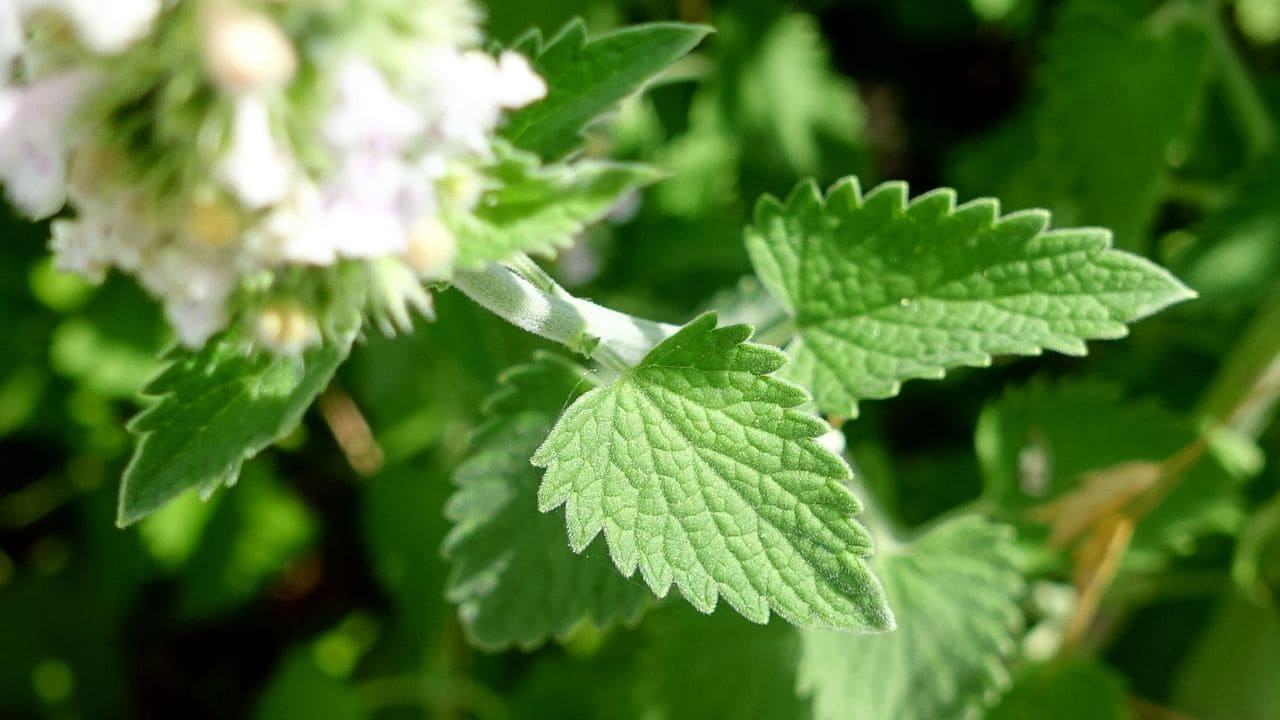
Catnip Mosquito Repellent: The Backyard Herb That Repels Mosquitoes Better Than You’d Expect
Catnip has been quietly growing in gardens for decades, mostly known for making cats go absolutely wild. But here’s the thing — there’s solid science behind the idea that catnip is also a powerful mosquito repellent, and it’s been backed by peer-reviewed research, not just folk wisdom.
In 2001, scientists at Iowa State University published findings suggesting that nepetalactone — the active compound in catnip (Nepeta cataria) — repels mosquitoes roughly ten times more effectively than DEET at the same concentration in laboratory settings. That headline got a lot of attention. And for good reason.
But here’s where it gets complicated. Lab data and real-world performance are two very different things. And for someone actually trying to protect themselves from mosquito bites, that distinction matters a lot. This guide breaks down everything — the research, the practical use cases, the recipes, and the honest limitations — so you can make a real decision about whether catnip belongs in your mosquito control toolkit.
The Science Behind Catnip as a Mosquito Repellent
What Is Nepetalactone and Why Does It Repel Mosquitoes?
Catnip produces a class of iridoid compounds called nepetalactones — specifically the cis-trans and cis-cis isomers. These volatile organic compounds are what give catnip its distinctive smell. They’re released both by the intact plant and far more intensely when leaves are crushed or damaged.
Mosquitoes detect these compounds through olfactory receptor neurons. Current research, including work published in Current Biology (2021), indicates nepetalactone activates a specific irritant receptor (TRPA1) in insects, triggering an avoidance response. This isn’t just masking human scent — it’s genuinely aversive to the mosquito’s sensory system.
That’s a meaningful distinction. Some repellents work by disrupting a mosquito’s ability to find you. Nepetalactone appears to actively drive them away.
Catnip Mosquito Repellent Effectiveness: Lab vs. Real World
This is where you have to pump the brakes a little. The 10x DEET comparison, while scientifically valid in controlled settings, doesn’t translate directly to real-world effectiveness. Here’s why:
- Concentration matters enormously. DEET products used by consumers are typically 25–30% formulations, while lab comparisons often use equimolar concentrations.
- Nepetalactone evaporates quickly. The compound is highly volatile, meaning its active repellent effect dissipates faster than DEET-based formulations.
- Skin formulation is unsolved. There’s no commercially available, EPA-registered catnip-based topical repellent that has completed full efficacy and safety trials for skin application.
- Field studies are limited. Most of the robust data comes from controlled lab bioassays, not outdoor field conditions where wind, humidity, and mosquito pressure vary.
That said — it does work. Catnip mosquito repellent effect is real. The question is duration and reliability in practical conditions.
Catnip Mosquito Repellent Plants: Growing Your Own Source
If you’re serious about using catnip for mosquito control, starting with the plant itself is the most sustainable approach. Nepeta cataria is easy to grow, drought-tolerant once established, and will spread aggressively if you let it. That last part is actually useful — more plant means more volatile compound in the air around your yard.
Best Catnip Varieties for Mosquito Repelling
Not all Nepeta species produce nepetalactone in equal amounts. Nepeta cataria (common catnip) has the highest concentration. Ornamental varieties like Nepeta x faassenii (‘Walker’s Low’) are beautiful garden plants but have significantly lower nepetalactone content — they’re primarily for aesthetics, not repellency.
Stick with Nepeta cataria if mosquito control is the goal. It’s not as pretty, but it’s the right tool.
How to Use Catnip Plants as a Mosquito Repellent in Your Yard?
- Plant catnip in containers or defined beds near seating areas — it spreads by rhizome and self-seeds heavily, so contain it.
- Crush a few leaves before sitting outside. This dramatically increases nepetalactone release compared to an intact plant.
- Plant near entry points — doorways, patio edges — to create a passive volatile barrier.
- Harvest and dry in summer when nepetalactone content is highest (pre-flowering stage).
- Combine with other repellent plants like lemon balm and basil for a layered approach.
One Honest Note
Planting catnip in your yard will attract cats. Neighborhood cats will roll in it, eat it, and destroy it. Use wire cloches or plant in elevated containers if this is a concern in your area.
How to Make Catnip Mosquito Repellent: DIY Recipes That Actually Work
There are a few practical ways to extract and apply nepetalactone at home. None of these are equivalent to a registered commercial repellent, but they’re legitimate options for casual outdoor use — a backyard cookout, a garden afternoon, that sort of thing.
Catnip Mosquito Repellent Recipe #1: Simple Catnip Tea Spray
This is the easiest entry point. You’re making a water-based infusion and applying it like a spray.
- Bring 2 cups of water to a boil.
- Add 1/2 cup of fresh crushed catnip leaves (or 1/4 cup dried catnip).
- Steep for 15–20 minutes, then allow to cool completely.
- Strain through a fine-mesh cloth or cheesecloth.
- Pour into a spray bottle. Store in the refrigerator.
- Apply to clothing, hair, and exposed skin — patch test first.
Catnip Mosquito Repellent Recipe #2: Dried Catnip Oil Infusion
Dried catnip mosquito repellent preparations are typically more concentrated than fresh-plant teas. An oil infusion captures the fat-soluble components of nepetalactone and helps it stay on skin longer than a water spray.
- Fill a small jar with dried catnip — loosely packed.
- Cover completely with a carrier oil (jojoba or fractionated coconut oil work well).
- Seal and place in a warm, sunny window for 4–6 weeks, shaking daily.
- Strain out plant material through cheesecloth.
- Apply a small amount to pulse points and exposed skin.
This is the slow method. If you want faster results, a double boiler warm infusion (low heat, 2–3 hours) also works — just don’t overheat or you’ll destroy the volatile compounds.
Catnip Mosquito Repellent Recipe #3: Essential Oil Blend
If you have access to catnip essential oil (it’s commercially available but not cheap), you can make a more precise formulation. Combine at the following ratio:
- 15 drops catnip essential oil
- 10 drops citronella essential oil
- 5 drops lavender essential oil
- 2 oz witch hazel or 70% isopropyl alcohol as carrier
- 1 oz distilled water
Combine in a spray bottle, shake before each use. The alcohol helps with dispersion and also has some mild repellent effect. Avoid spraying near eyes or mucous membranes.
How to Use Catnip as a Mosquito Repellent for Humans: Practical Application Guide
There’s a meaningful difference between using catnip correctly and wasting your time with it. Here’s the honest, practical breakdown.
What Works ✔️
- Clothing application: Spray catnip tea or diluted oil preparation onto clothing, hats, and socks. Fabric holds volatile compounds longer than skin.
- Area treatment: Scatter crushed fresh leaves or dried catnip in outdoor seating areas. Burning dried catnip (similar to citronella candles) releases volatiles but requires ventilation.
- Short-duration outdoor use: For 30–90 minute periods in low-mosquito-pressure environments, DIY catnip preparations are reasonably effective.
- Layered defense: Catnip works best combined with other measures — eliminate standing water, use fans (mosquitoes are weak fliers), and wear light-colored, loose clothing.
What Doesn’t Work ❌
- Expecting DEET-level protection from a catnip tea spray. It won’t happen. Nepetalactone evaporates fast.
- Using intact, uncrushd plants as your only defense. The volatile release from an untouched plant is too low to create meaningful protection.
- Applying undiluted catnip essential oil directly to skin. Concentrated essential oils can cause irritation and sensitization — always dilute.
- Relying on catnip alone in high-risk areas — regions with active mosquito-borne disease transmission. In those contexts, EPA-registered repellents (DEET, picaridin, IR3535, or OLE) are strongly recommended by the CDC.
Is Catnip Mosquito Repellent Safe for Humans? What You Need to Know
The safety profile of catnip as a botanical is generally favorable. Nepeta cataria has a long history of use in traditional medicine — as a mild sedative tea, digestive aid, and topical herb. But using it as a skin-applied repellent is a different context, and some nuances apply.
Skin Safety Considerations
- Patch test always: Apply a small amount of any DIY preparation to the inner forearm and wait 24 hours before broader use.
- Dilute essential oils: Undiluted nepetalactone or catnip essential oil can cause contact dermatitis in sensitive individuals.
- Pregnancy caution: Catnip has historically been used to stimulate uterine contractions. Pregnant women should avoid concentrated catnip preparations and consult a healthcare provider.
- Children under 2: Use with caution. The lack of safety data for infants means you should default to pediatrician guidance.
- Photosensitivity: Some essential oil preparations can increase UV sensitivity. Avoid sun exposure on treated skin areas.
Interaction With Cats
If you have cats, they will be strongly attracted to catnip preparations on your skin or clothing. This is harmless to the cat but might make for an interesting afternoon. Keep catnip products stored away from pets to prevent them eating large quantities.
Catnip vs. DEET vs. Other Natural Repellents: Effectiveness Comparison
Where does catnip actually stand compared to your other options? Here’s a straightforward comparison based on available research:
| Repellent | Active Compound | Effectiveness | Safety |
| Catnip oil | Nepetalactone | High (lab); moderate (field) | Generally safe; untested on skin |
| DEET 25% | N,N-Diethyl-meta-toluamide | Very high (proven) | EPA-registered; some sensitivity |
| Picaridin | Icaridin | High | EPA-registered; well tolerated |
| Lemon eucalyptus oil (OLE) | PMD | Moderate–high | CDC-recommended for ages 3+ |
| Catnip plant (garden) | Nepetalactone (volatiles) | Low–moderate | Safe; cats attracted |
Bottom line: catnip is one of the more promising natural repellent options, but it’s not yet in the same category as proven synthetic repellents for reliable, extended protection.
Buying Catnip Mosquito Repellent: Dried Catnip, Plants, and Products
If you don’t want to grow your own, dried catnip is widely available from herb suppliers, pet stores (yes, really — the same product works), and online retailers. Look for organic, pesticide-free dried herb if you’re making skin preparations.
Catnip essential oil is available from specialty aromatherapy suppliers. Quality varies — look for suppliers who provide GC/MS testing data on their essential oils to verify nepetalactone content.
As of this writing, there is no commercially available EPA-registered catnip-based mosquito repellent for skin application on the US market. Some products exist that blend catnip with other botanicals, but always check the active ingredient list and look for EPA registration if protection against disease-carrying mosquitoes is the goal.
Expert Tips for Maximizing Catnip Mosquito Repellent Effectiveness
After years of working with botanical repellent compounds in both research and field settings, a few practical observations stand out:
- Harvest catnip just before it flowers. Nepetalactone content peaks at the pre-bloom stage — this is when the plant is most potent for repellent use.
- Dry at low heat or air-dry. Excessive heat during drying degrades volatile compounds. Air-dry in a shaded, well-ventilated space.
- Use fresh before dried. Fresh crushed catnip releases more volatile compounds than dried — if you have access to a plant, use it fresh for the most immediate effect.
- Combine with mechanical barriers. Window screens, mosquito netting, and fans are highly effective. Catnip as part of a layered strategy is far more effective than as a standalone measure.
- Reapply every 30–45 minutes. Unlike DEET, catnip preparations don’t have strong substantivity on skin. Frequent reapplication compensates for rapid evaporation.
- Store preparations properly. Keep oil infusions in dark glass bottles in a cool location to slow oxidation and preserve nepetalactone content.
Conclusion: Catnip Mosquito Repellent — A Legitimate Natural Option With Real Limitations
Catnip is one of the more scientifically credible natural mosquito repellents out there. The research on nepetalactone is real, the repellent mechanism is well-documented, and the practical applications — from garden planting to DIY sprays — are accessible to anyone willing to put in a little effort.
But it’s not magic. The duration is short. The formulation challenges are real. And if you’re in an area with active mosquito-borne disease transmission, an EPA-registered repellent needs to be in your toolkit alongside any botanical approach.
Used strategically — as part of a layered mosquito control approach, for casual outdoor use in low-risk settings, or as a starting point for those who want to reduce synthetic chemical exposure — catnip mosquito repellent is worth taking seriously.
Have you tried catnip as a mosquito repellent? Did you grow your own plants, try a DIY recipe, or find a commercial product? Share your experience in the comments — real-world feedback from people who’ve actually tested this is genuinely valuable, and I’d like to hear what’s worked (and what hasn’t) for you.
Frequently Asked Questions (FAQs)
Q. Does catnip repel mosquitoes as well as DEET?
In laboratory conditions at equal concentrations, nepetalactone has shown superior repellency to DEET in some studies. In real-world field conditions, DEET-based products outperform DIY catnip preparations due to formulation stability and duration of effect. Use catnip as a natural supplement, not a direct replacement for DEET in high-risk situations.
Q. Can I rub catnip leaves directly on my skin?
Yes, with some caution. Rubbing crushed fresh catnip leaves on skin is a folk remedy that does release nepetalactone. Patch test first — some individuals experience skin irritation. The effect lasts around 30 minutes in most conditions.
Q. Is dried catnip effective for mosquito repelling?
Dried catnip still contains nepetalactone but at lower active concentrations than fresh plant material. It works reasonably well in infusions, sachets around outdoor seating, or when burned. For topical use, a concentrated infusion or oil extraction is more practical than raw dried herb.
Q. Can I plant catnip to keep mosquitoes away from my yard?
Catnip plants do release some volatile nepetalactone into the surrounding air, particularly when leaves are disturbed by wind or movement. The ambient concentration from a few garden plants is generally too low to provide significant outdoor area protection. Crushing leaves before sitting outside helps, as does positioning plants near entry points.
Q. Is catnip mosquito repellent safe for children?
Catnip tea has a long history of use in pediatric traditional medicine, but topical repellent preparations haven’t been studied in children. Avoid use on children under 2 without medical guidance. For older children, dilute preparations applied to clothing (not skin) are lower-risk. If mosquito-borne disease is a concern in your area, use an EPA-registered repellent formulated for children.
Editorial Team & Contributors

Raashid Ansari, Founder, Content Researcher & Author - MosquiTalk
Not an entomologist — just a genuinely curious writer who started researching mosquitoes and couldn't stop. What began as casual reading about repellents and bite prevention gradually turned into a deep ongoing dive into vector biology, disease epidemiology, animal health impacts, and the real science behind mosquito control. Everything published here is carefully edited, and written with one purpose: giving readers accurate, accessible information they can actually trust and use to protect themselves, their families, and their pets, birds and cattle.
Active across social platforms, regularly publishes, and genuinely invested in spreading mosquito awareness where it matters most. Because informed readers make better decisions — and better decisions save lives.