
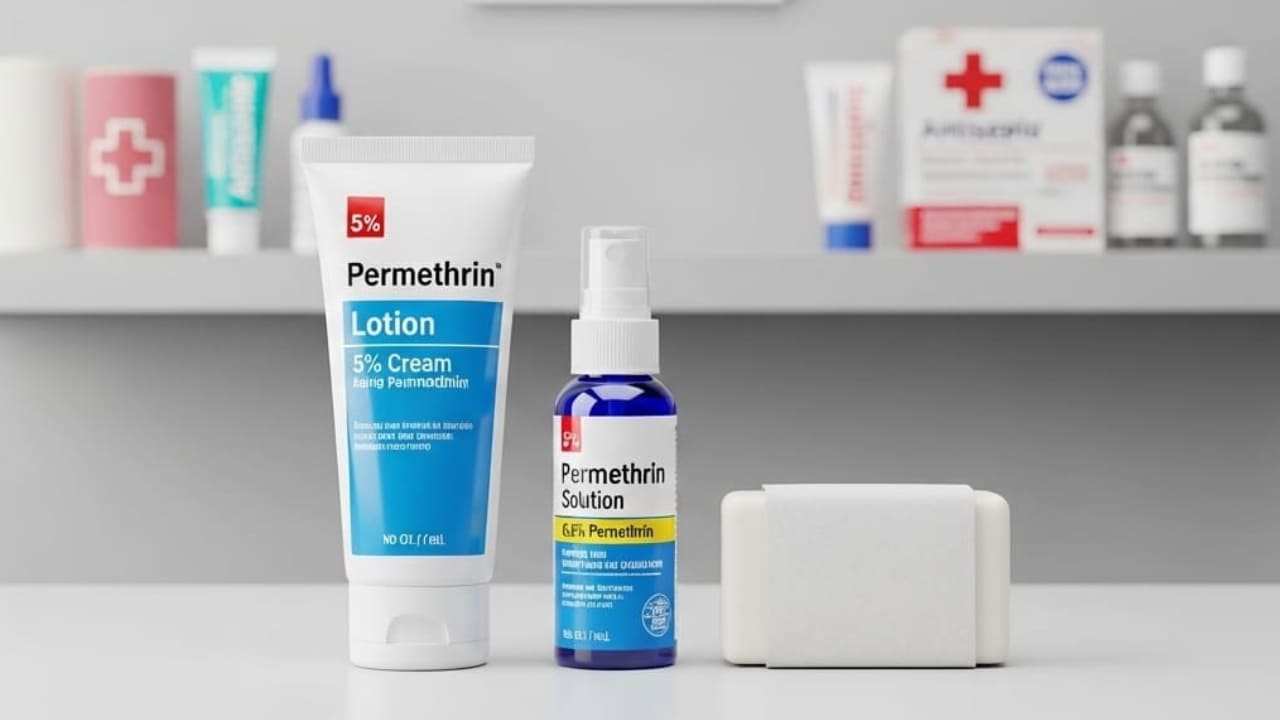
Permethrin Insecticide: What It Is and How It Works?
Let me be honest with you — I’ve spent more evenings than I care to count standing on my back porch, swatting at mosquitoes while trying to enjoy a simple glass of iced tea. I’ve tried citronella candles, plug-in repellers, those little clip-on fans, you name it. Most of them did… not much. And then I actually started reading the science behind insect control — properly reading it, not just skimming product labels — and permethrin became a name I kept coming back to.
Permethrin is one of the most widely used insecticides on the planet. It’s in agriculture. It’s in military gear. It’s woven into the clothing of hikers and field researchers. But despite how common it is, most people have only the vaguest idea of what it actually is, how it kills insects, or whether it’s safe around their family and pets. That’s what this article is about.
We’ll cover everything: the science of how permethrin works, every major use from clothing treatment to scabies cream, the honest safety picture for humans, children, dogs and cats, the full comparison against DEET and picaridin, environmental impact, resistance, alternatives, and a plain-English final verdict. If you’ve ever wondered whether permethrin is right for your situation, this is the guide.
What Is Permethrin?
Permethrin is a synthetic pyrethroid — a man-made chemical modeled after pyrethrins, the natural insecticidal compounds found in chrysanthemum flowers. The chrysanthemum connection is kind of fascinating, actually. Farmers in parts of Asia figured out centuries ago that dried chrysanthemum flowers repelled and killed insects. Scientists eventually isolated the active compounds and, by the 1970s, developed permethrin as a more stable, longer-lasting synthetic version.
The compound was first synthesized by Michael Elliott and his team at Rothamsted Research in the UK in 1973. It was a significant step forward — pyrethrins degrade quickly in sunlight and air, which limits their practical use. Permethrin is chemically modified to resist that degradation, making it far more durable as a surface treatment.
Today, permethrin is registered for use in dozens of countries and is on the World Health Organization’s List of Essential Medicines, primarily for treating scabies and head lice. It’s also heavily used in public health vector control programs, agricultural applications, and — this is where many homeowners encounter it — clothing and gear treatment for mosquito and tick protection.
How Does Permethrin Work?
This is the part I find genuinely fascinating — and I think once you understand the permethrin mechanism, you’ll have a much better intuition for why it is so effective against insects and relatively safe for mammals.
Permethrin works by targeting voltage-gated sodium channels in nerve cells. Here’s the plain-English version: nerve cells communicate by rapidly opening and closing channels that let sodium ions flow in and out. This controlled flow is what generates an electrical nerve signal. Permethrin binds to these sodium channels and holds them open for far longer than they should be.
The result? The insect’s nervous system is overwhelmed with continuous electrical signals. It causes hyperexcitation — uncontrolled tremors, paralysis, and ultimately death. Insects have essentially no defense against this mechanism. They can’t pump the permethrin out fast enough. The effect is rapid and decisive. This permethrin mode of action is what separates it from repellents: insects don’t avoid permethrin — they’re killed by it.
Permethrin Insecticide: Why Are Insects More Vulnerable Than Mammals?
This is a question worth answering directly, because a lot of people understandably wonder: if permethrin is so destructive to insect nervous systems, why isn’t it harming me when I spray my hiking pants?
Several reasons.
- First, mammals have larger bodies, different metabolic rates, and far more efficient liver enzymes that break down permethrin quickly before it reaches the nervous system in meaningful concentrations.
- Second, the sodium channels in mammalian neurons are structurally slightly different from insect sodium channels — permethrin binds much less effectively to ours.
- Third, and importantly, mammalian skin absorbs permethrin very poorly. Studies suggest dermal absorption is less than 2% in humans, meaning the vast majority of it stays on the surface or is shed with dead skin cells.
Insects, being small and having their nervous systems relatively close to the surface with a different biochemistry, have no such buffer. Even tiny doses are lethal.
Uses of Permethrin
Permethrin uses span an unusually wide range — from medical dermatology to military gear to large-scale agricultural pest control. Few insecticides hold registrations across so many distinct application categories.
1. Permethrin for Insect Repellency: Clothes, Gear, and Nets
Permethrin for clothing is one of the most effective personal protection tools available for mosquito and tick prevention — arguably more effective per-garment than any topical repellent, because it doesn’t just deter insects, it kills them on contact.
- Permethrin spray for clothes: you apply it to the fabric surface — pants, shirts, socks, hats, backpacks — and let it dry completely. Once dry, it’s odorless and bonds to fabric fibers. A tick or mosquito landing on that surface receives a lethal dose. Most DIY treatments last through 6 washings or about 6 weeks of regular wear, whichever comes first. Sawyer Permethrin is one of the most widely cited brands in outdoor and military use.
- Permethrin mosquito nets — specifically long-lasting insecticidal nets (LLINs) — are a cornerstone of global malaria control. The WHO estimates that treated bed nets have prevented hundreds of millions of malaria cases over the past two decades in sub-Saharan Africa and Southeast Asia. The permethrin in the net fibers kills mosquitoes that land on the outside trying to find a way through.
2. Permethrin for Medical Use: Scabies and Lice Treatment
5% permethrin cream is an FDA-approved first-line treatment for scabies — a highly contagious skin infestation caused by the mite Sarcoptes scabiei. It’s applied to the entire body from the neck down, left on for 8–14 hours, then washed off. A single application resolves most cases, though a second treatment one week later is sometimes recommended for severe infestations.
For permethrin lice treatment (pediculosis), lower-concentration permethrin formulations (typically 1%) are available over the counter as creams, rinses, and shampoos. The compound kills live lice on contact. However — and this is important — permethrin for lice does not reliably kill lice eggs (nits). A second application 7–10 days after the first is standard protocol to kill any newly hatched lice before they can reproduce.
Resistance to permethrin in head lice populations has been documented in multiple US states and parts of Europe — sometimes called ‘super lice.’ If a standard permethrin treatment fails after two applications, consulting a healthcare provider for alternative treatments is advisable.
| Medical Use | Concentration | Application Method | Notes |
| Scabies treatment | 5% cream | Full body, 8–14 hrs, wash off | May require 2nd application after 1 week |
| Head lice treatment | 1% rinse/shampoo | Applied to dry hair, rinsed after 10 min | Repeat in 7–10 days; does not kill eggs |
| Pubic lice | 1% cream rinse | Applied to affected area | Follow physician guidance |
3. Permethrin in Agriculture and Pest Control
Higher-concentration permethrin products are used for lawn and yard perimeter treatment — mosquito control around the home. These are usually applied by professional pest control services, though some consumer-grade products are available. They work by treating grass, shrubs, and other resting surfaces that mosquitoes frequent. A properly applied yard treatment can significantly reduce adult mosquito populations.
Permethrin agriculture applications are extensive. It’s registered for use on a wide range of crops including cotton, corn, vegetables, fruits, and ornamentals — targeting aphids, caterpillars, thrips, beetles, and a range of other pest arthropods. Agricultural formulations are typically at higher concentrations than consumer products.
In livestock management, permethrin is used in pour-on formulations, ear tags, and premise sprays to control flies, lice, ticks, and mites on cattle, horses, and poultry. For structural pest control, permethrin spray treats cracks, crevices, baseboards, and wall voids for cockroaches, ants, spiders, and stored-product pests.
Is Permethrin Safe? What the Science Actually Says
I want to be careful here because this is where a lot of online content either over-reassures or over-alarms people. Let me give you the scientific picture as clearly as I can. Permethrin safety depends entirely on context — who is exposed, at what concentration, and in what form.
1. Permethrin Safety for Humans
Permethrin has low acute toxicity in humans when used as directed. The EPA classifies it in Toxicity Category II or III (on a scale where I is most toxic and IV is least), depending on the formulation. For fabric treatment — the most common consumer use — exposure is minimal because skin absorption is low and the compound is applied to clothing, not directly to skin.
That said, some people experience mild skin irritation or tingling on direct contact, particularly with concentrated solutions — a phenomenon called paresthesia. Eyes and mucous membranes are more sensitive. Standard precautions — applying in ventilated areas, letting treated fabric dry completely before wearing — eliminate most risks.
Permethrin side effects at typical consumer exposure levels are generally limited to local skin reactions. There are ongoing discussions in scientific literature about potential long-term endocrine effects at high occupational exposures. These are legitimate research questions. But for typical consumer use, current evidence does not support significant health risk.
For cancer risk: the EPA classifies permethrin as ‘likely to be carcinogenic to humans’ specifically by the oral route at high doses in animal studies. For dermal exposure at consumer use levels, the evidence does not support significant carcinogenic risk. IARC classifies it as Group 3 — not classifiable as to its carcinogenicity in humans at current exposure levels.
Permethrin Safe for Kids
Permethrin-treated clothing is considered appropriate for use with children by the CDC and EPA, provided the fabric is fully dried before wear and the child is not applying the liquid product themselves. For head lice, 1% permethrin rinse is approved for children 2 years and older. Follow label directions precisely. Parents who prefer extra caution can opt for factory-treated clothing, where the compound is deeply bonded to fibers.
2. Permethrin and Pets: Is It Safe for Dogs and Cats?
I cannot stress this enough. I’ve seen too many cases where well-meaning pet owners didn’t know about this risk. If you have cats, you need to handle permethrin-treated gear carefully. No exceptions.
Dogs tolerate permethrin much better than cats and are generally considered safe around properly dried, treated fabrics. Many veterinary flea and tick products for dogs actually contain permethrin as the active ingredient. However, you should still follow label instructions and consult your vet for specific guidance.
Fish and aquatic invertebrates are notably sensitive to permethrin. It’s highly toxic to aquatic life, which is why it should never be applied near water bodies, storm drains, or in ways that could allow runoff into streams or ponds.
3. Permethrin and the Environment
I think it’s important not to gloss over the environmental picture, because permethrin does have real ecological effects that responsible users should understand.
Permethrin is broadly toxic to arthropods — that’s its whole mechanism. It doesn’t discriminate well between pest mosquitoes and beneficial insects. Permethrin and bees: pollinators exposed to wet permethrin spray can be harmed or killed. Aquatic invertebrates — the small crustaceans and insects at the base of freshwater food webs — are particularly sensitive. Permethrin water toxicity is significant and is the EPA’s primary environmental concern.
In soil, permethrin binds tightly to organic matter and degrades slowly (half-life 30–90 days). It does not leach into groundwater readily, but surface runoff risk is real in rain events shortly after application.
Does this mean you shouldn’t use it? Not necessarily. Context matters. Treating your hiking pants with a few milliliters of dilute permethrin has a very different ecological footprint than wide-area aerial spraying for mosquito control. The key principles for responsible use are:
- Never spray near water bodies, drainage channels, or areas with runoff risk.
- Avoid spraying in areas with high pollinator activity — flowering plants, active hives.
- Use the lowest effective concentration for your application.
- Prefer targeted clothing treatment over broadcast yard sprays when possible.
- Dispose of unused product according to label instructions — never down the drain.
Forms of Permethrin: Sprays, Treated Clothing, and More
Permethrin comes in quite a few forms, and knowing which one is appropriate for your situation actually matters a lot.
1. Permethrin Spray
These are probably the most common consumer product. You buy a bottle, spray it onto your clothing or gear, let it dry thoroughly — and the permethrin bonds to the fabric fibers. Once dry, it’s remarkably stable and odorless. It typically lasts through 6 washings or about 6 weeks of regular wear, whichever comes first. Sawyer Permethrin is one of the most widely cited brands in outdoor and military use.
2. Permethrin Treated Clothing (Factory-Treated Clothing Brands)
Some outdoor clothing companies — Insect Shield and ExOfficio are the most well-known — use an industrial permethrin bonding process that embeds the compound directly into fabric fibers during manufacturing. This treatment is rated to last through 70 washings. For someone who spends a lot of time in the field, this is honestly a more economical long-term option than repeatedly treating your own clothing.
3. Permethrin Based Agricultural and Yard Sprays
Higher-concentration permethrin products are used for lawn and yard perimeter treatment — mosquito control around the home. These are usually applied by professional pest control services, though some consumer-grade products are available. They work by treating grass, shrubs, and other resting surfaces that mosquitoes frequent. A properly applied yard treatment can significantly reduce adult mosquito populations.
4. Medical Usage of Permethrin
5% permethrin cream is an FDA-approved prescription treatment for scabies. Lower concentrations are used in shampoos and rinses for head lice. These are topical medical applications with specific dosing guidelines — entirely different context from fabric treatment.
Permethrin vs DEET vs Picaridin: Which One Should You Choose?
This comparison comes up constantly, and it’s worth addressing properly. Permethrin vs DEET, permethrin vs picaridin — these aren’t really competing brands of the same product. They are fundamentally different tools.
Permethrin is an insecticide applied to clothing and gear. It kills insects on contact. DEET and picaridin are repellents applied to skin — they don’t kill anything, they make the wearer harder to find or land on. Different tools, different applications, different parts of the same protection strategy.
| Feature | Permethrin | DEET | Picaridin |
| Type | Insecticide | Repellent | Repellent |
| Applied to | Clothing & gear only | Skin & clothing | Skin & clothing |
| Kills insects? | Yes — on contact | No | No |
| Mechanism | Blocks nerve sodium channels | Masks human scent cues | Blocks olfactory receptors |
| Duration | 6 weeks / 6 washes on fabric | 4–8 hrs on skin | 8–14 hrs on skin |
| Safe on skin? | Not recommended | Yes (avoid in infants) | Yes — designed for skin |
| Damages synthetics? | No | Yes — degrades plastics | No |
| Odor | Faint wet; odorless dry | Noticeable chemical odor | Nearly odorless |
| Tick effectiveness | Very high — lethal contact | Moderate repellency | Moderate repellency |
| Mosquito effectiveness | Very high — lethal contact | High repellency | High repellency |
| Safe for cats? | No — highly toxic | Caution advised | Generally safer |
The bottom line on permethrin vs natural repellents: plant-based options like citronella, lemon eucalyptus oil, and clove oil have limited efficacy compared to DEET, picaridin, or permethrin, and typically require far more frequent reapplication. Oil of Lemon Eucalyptus (OLE/PMD) is the strongest plant-derived option and the only one the CDC lists alongside DEET and picaridin for disease prevention — but it still doesn’t match permethrin for tick lethality on treated fabric.
How to Use Permethrin Safely: Step-by-Step Instructions
This is something I wish I’d had a clear guide for when I first started using permethrin for outdoor protection. The application process matters — both for effectiveness and safety.
- Choose the right product: For clothing and gear treatment, a 0.5% permethrin spray is standard. Read the label — some products are designed for specific uses (agricultural concentrates should not be used on clothing).
- Work outdoors or in a well-ventilated area: Wet permethrin spray has an odor and shouldn’t be inhaled in confined spaces. Set up outside or in a garage with good airflow.
- Lay clothing flat on a clean surface: Hang or lay out each item so you can cover all surfaces evenly. Inside seams and cuffs are especially important — this is where ticks typically grab on.
- Spray from 6–8 inches away: Hold the nozzle at that distance and apply until the fabric is slightly damp but not soaking wet. You’re aiming for even coverage, not saturation.
- Treat both sides of the fabric: Inside and outside. Pay extra attention to socks, pants cuffs, collars, and sleeve ends.
- Allow to dry completely: This typically takes 2–4 hours depending on humidity. Do NOT wear before it’s fully dry. Dry permethrin is odorless and non-irritating; wet permethrin is neither.
- Store treated items separately: Before they’re dry, keep them away from children, pets — especially cats.
Once dry, the treated clothing works on contact — any tick or mosquito that lands on the fabric is exposed to a lethal dose. Many outdoor enthusiasts and field researchers treat a full kit: pants, socks, shirt, hat, and even their backpack.
Picaridin Insect Repellent vs. Permethrin: Which Should You Choose?
I get this question a lot — and honestly, it’s the wrong way to frame it. These two products aren’t really competing. They’re complementary.
Picaridin mosquito repellent is something you put on your skin. It’s effective, nearly odorless, doesn’t damage plastics or synthetic fabrics (unlike DEET), and the CDC recommends it as a primary active ingredient for skin-applied repellents. Studies show that 20% picaridin provides protection comparable to DEET at similar concentrations. It works great on exposed skin — arms, neck, ankles.
Permethrin is something you put on your clothing. It doesn’t go on skin. It kills insects that land on treated fabric.
Used together? You’re protected on two fronts. Mosquitoes that approach your skin may be repelled by picaridin before they bite. Any that land on your clothing — or any tick that tries to crawl up your pants — encounters lethal permethrin. That dual-layer strategy is genuinely more effective than either product alone.
| Protection Goal | Best Product Choice |
| Skin protection from mosquito bites | Picaridin insect repellent (20% concentration) |
| Tick prevention on clothing/gear | Permethrin-treated clothing |
| Comprehensive outdoor protection | Both: permethrin clothing + picaridin on skin |
| Protection for children (2 years+) | Picaridin repellent on skin; permethrin on clothing |
| Extended multi-day outdoor trips | Factory-treated permethrin clothing + picaridin repellent |
| Yard/perimeter mosquito control | Permethrin yard spray (professional or consumer grade) |
Permethrin in Public Health: Vector Control Applications
Beyond your backyard or hiking trail, permethrin plays a significant role in global public health. It’s one of the primary active ingredients used in insecticide-treated bed nets (ITNs) distributed in malaria-endemic regions. The WHO’s Global Malaria Programme has documented that widespread bed net use has prevented hundreds of millions of malaria cases over the past two decades.
Indoor residual spraying (IRS) programs — where insecticide is applied to interior walls and surfaces of homes — also historically relied heavily on permethrin-based formulations. The idea is that mosquitoes resting on treated surfaces after a bloodmeal are exposed to a lethal dose.
Municipal mosquito control programs in the US use permethrin in both ultra-low volume (ULV) truck-mounted sprays and aerial applications during outbreaks. These programs target West Nile Virus and other mosquito-borne illnesses. They’re controversial in some communities because of concerns about effects on pollinators and non-target insects — and those concerns aren’t unreasonable. But the public health calculus in areas with high arboviral disease burden often tilts toward intervention.
Resistance to Permethrin: Is It a Growing Problem?
This is a genuinely important question and one that doesn’t get enough attention in consumer-facing content.
Yes, mosquito resistance to permethrin is documented and growing in several regions. Aedes aegypti populations in parts of South America, Southeast Asia, and sub-Saharan Africa have developed varying degrees of resistance through mutations in the very sodium channel genes that permethrin targets. This is called ‘target site resistance’ and it’s been observed since the 1990s.
In the US, some Culex mosquito populations show partial resistance in areas with heavy historical pyrethroid use. The situation is being monitored actively by public health researchers.
What does this mean for you as a consumer? For clothing treatment, the impact is limited — even partially resistant mosquitoes will still typically be knocked down by direct contact with permethrin-treated fabric at close range. But it underscores the importance of not over-relying on any single insecticide class and of supporting integrated vector management approaches.
Alternatives to Permethrin: What Else Can You Use?
Permethrin alternatives fall into a few categories depending on what you’re trying to accomplish.
1. Alternative Insecticides for Clothing and Yard
Bifenthrin and cyfluthrin are other synthetic pyrethroids used in yard applications. Their mechanism is essentially identical to permethrin. For fabric treatment specifically, permethrin remains the dominant compound because of its well-established safety and efficacy data.
2. Natural and Non-Toxic Pest Control Options
Natural insect repellents — including oil of lemon eucalyptus (OLE), clove oil, citronella, and neem oil — can provide meaningful protection in low-exposure environments. Of these, OLE (specifically p-Menthane-3,8-diol / PMD) has the strongest evidence base and is the only plant-derived repellent the CDC lists alongside DEET and picaridin for disease prevention.
For non-toxic pest control around the home:
- Source reduction: Eliminating standing water where mosquitoes breed — gutters, plant saucers, tarps, birdbaths. This is the single most effective community-level mosquito control strategy.
- Bti larvicides: Bacillus thuringiensis israelensis (Bti) — used in Mosquito Dunks and Bits — is a naturally occurring bacterial larvicide safe for humans, pets, and most non-target insects. Highly effective in water features.
- Physical barriers: Window screens, door sweeps, and protective clothing all reduce exposure without chemicals.
- Mechanical traps: CO₂-baited mosquito traps can reduce local populations in enclosed areas, though landscape-scale effectiveness is limited.
For most people in mosquito or tick-heavy environments, a hybrid approach works best: Bti for breeding sites, permethrin on clothing, and picaridin on exposed skin. None of these tools alone is as effective as combining them thoughtfully.
Expert-Backed Tips for Maximum Protection Against Mosquitoes and Ticks
Putting it all together — here’s what actually works, based on evidence and experience:
- Treat your full kit, not just pants: Socks, shirt sleeves, hat band, and backpack straps are all common tick attachment points. Treat them all.
- Combine permethrin clothing with picaridin insect repellent on exposed skin: This dual approach is explicitly recommended by the CDC for areas with tick-borne disease risk.
- Re-treat after 6 washings: DIY-treated clothing loses efficacy with washing. Track your wash count or use factory-treated alternatives for long-term use.
- Let treated clothing dry fully before wearing — ideally 24 hours: Wet permethrin can be a mild irritant. Completely dry is both safer and more effective.
- Don’t rely on yard sprays as your only defense: They help, but mosquitoes recolonize treated areas. Personal protection is essential.
- Check for ticks at transition zones: Waistband, back of knees, scalp, and armpits are favorite attachment sites. Permethrin reduces risk; it doesn’t eliminate the need for body checks.
- If you have cats, handle treated gear with extra care: Store away from pets until fully dry. No exceptions.
Final Verdict: Should You Use Permethrin?
After years working in and around vector control science, here’s where I land: permethrin effectiveness is well-proven, its safety profile for humans at consumer use levels is reasonable, and for outdoor protection against mosquitoes and ticks it remains one of the best tools available. For medical use — scabies, head lice — it’s a clinically validated first-line treatment.
But it’s not consequence-free. The cat toxicity issue is serious. The aquatic toxicity profile deserves respect. And growing resistance in some mosquito populations is a reminder that nothing lasts forever if overused.
| Use Case | Verdict |
| Outdoor tick/mosquito protection (clothing) | Strong Yes — one of the best tools available |
| Mosquito protection (personal) | Yes — combine with picaridin on skin for best results |
| Yard perimeter treatment | Yes, with caution — avoid near water and pollinators |
| Scabies treatment | Yes — FDA-approved 5% cream; follow physician guidance |
| Head lice treatment | Yes — 1% OTC formulations; repeat in 7–10 days |
| Households with cats | Use with extreme caution — strict drying protocols required |
| Application near water bodies | Avoid — high aquatic toxicity risk |
| Children (clothing treatment) | Generally safe once fabric is fully dry |
Should you use permethrin? For the right application, applied correctly, with awareness of its limits — yes. It’s a remarkably well-studied compound with a decades-long track record in public health.
📰 Must Read,
✔️ Backyard Mosquito Treatment: Essential Tips for Homeowners
✔️ Backyard Mosquito Control: 10 Methods Compared (Cost, Effectiveness & Scientific Evidence)
Conclusion: Permethrin and Picaridin Insect Repellent — Your Best Defense
Permethrin is one of the more well-studied and versatile insecticides available to consumers and public health professionals. Its mechanism — disrupting sodium channels in insect neurons — is specific enough to be highly effective against mosquitoes, ticks, and other arthropods while remaining manageable in terms of human risk when used correctly.
It’s not magic, and it’s not risk-free. The cat toxicity issue is real and serious. The environmental effects on aquatic life and pollinators are worth respecting. And growing resistance in some mosquito populations is a reminder that no single tool wins the fight against vector-borne disease.
But for personal protection? Treated clothing with permethrin, combined with a quality picaridin insect repellent on exposed skin, is as solid a protection strategy as you’ll find outside of a full hazmat suit. The picaridin mosquito repellent handles what’s on your skin; permethrin handles what lands on your gear. Together, they cover your bases.
I’ve used this combination during tick season in wooded areas of the mid-Atlantic US, and the difference is palpable. Not zero bites — but dramatically fewer encounters, and far more peace of mind on the trail.
Have a question or experience to share?
Have you used permethrin-treated clothing or combined it with picaridin insect repellent? Did it work for you? Drop a comment below — I genuinely read them, and your real-world experience helps other readers make better decisions.
Editorial Team & Contributors

Raashid Ansari, Founder, Content Researcher & Author - MosquiTalk
Not an entomologist — just a genuinely curious writer who started researching mosquitoes and couldn't stop. What began as casual reading about repellents and bite prevention gradually turned into a deep ongoing dive into vector biology, disease epidemiology, animal health impacts, and the real science behind mosquito control. Everything published here is carefully edited, and written with one purpose: giving readers accurate, accessible information they can actually trust and use to protect themselves, their families, and their pets, birds and cattle.
Active across social platforms, regularly publishes, and genuinely invested in spreading mosquito awareness where it matters most. Because informed readers make better decisions — and better decisions save lives.