
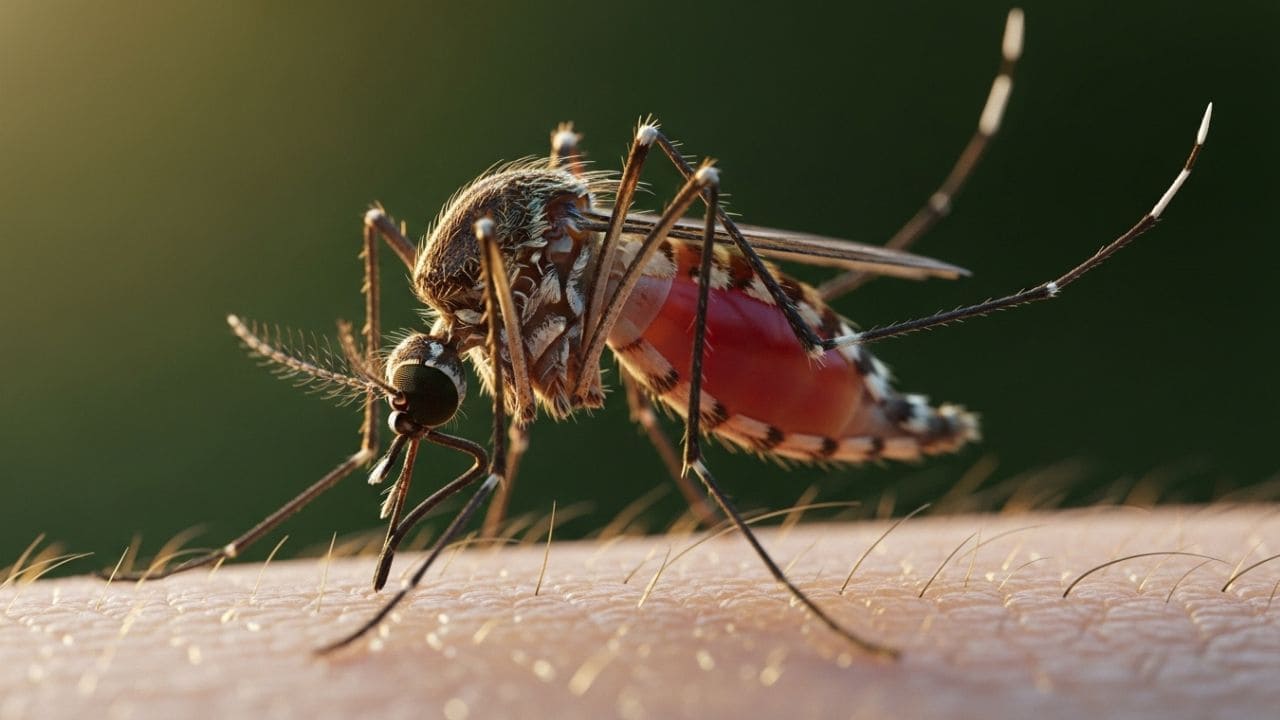
Key Takeaways on Anopheles Mosquitoes & Malaria Transmission
Table of Contents
What are Anopheles Mosquitoes?
Anopheles mosquitoes belongs to the family Culicidae and the genus Anopheles with around 530 known species — but only 30 to 40 of them actually transmit malaria to humans. Found predominantly in warm, tropical regions, it is the only mosquito genus capable of carrying and passing on the Plasmodium parasites responsible for malaria. And it does that through one specific culprit: the bite of the female.
Introduction to Anopheles Mosquito
The Anopheles mosquito is not just another insect. It is one of the most consequential vectors in the entire history of human disease — responsible for transmitting malaria, a parasitic illness that, according to the World Health Organization, caused an estimated 249 million cases and 608,000 deaths globally in 2022 alone.
That number is staggering. And yet, most people cannot identify an Anopheles mosquito from a common house mosquito. They look similar at a glance. But their behavior, biology, and the threat they carry are fundamentally different.
This guide covers everything: what the Anopheles mosquito is, how it looks up close, where it lives and breeds, when and how it bites, and — critically — how it spreads malaria. Whether you’re a researcher, a traveler, a public health worker, or simply someone who wants to understand the risk, this is the resource you need.
Anopheles Mosquito: A Scientific Overview
The Anopheles mosquito belongs to the family Culicidae and the genus Anopheles — a name derived from the Greek word meaning “useless” or “hurtful.” That etymology, it turns out, is apt.
There are over 460 recognized species within the Anopheles genus. Of these, roughly 30 to 40 are considered major vectors of Plasmodium parasites — the organisms that cause malaria in humans. The most notorious among them is Anopheles gambiae, dominant across sub-Saharan Africa, and Anopheles stephensi, which has been expanding into urban environments in South Asia and the Horn of Africa.
As a dipteran insect (two-winged fly), it undergoes complete metamorphosis across four life stages: egg, larva, pupa, and adult. The adult lifespan is short — typically 2 to 3 weeks — but that’s more than enough time to transmit a deadly pathogen.
How to Identify Anopheles Mosquitoes: Physical and Distinguishing Features
1. Anopheles Mosquito Close Up:
Knowing how to identify an Anopheles mosquito is a practical skill. Under magnification or even careful observation, several anatomical features set this genus apart.
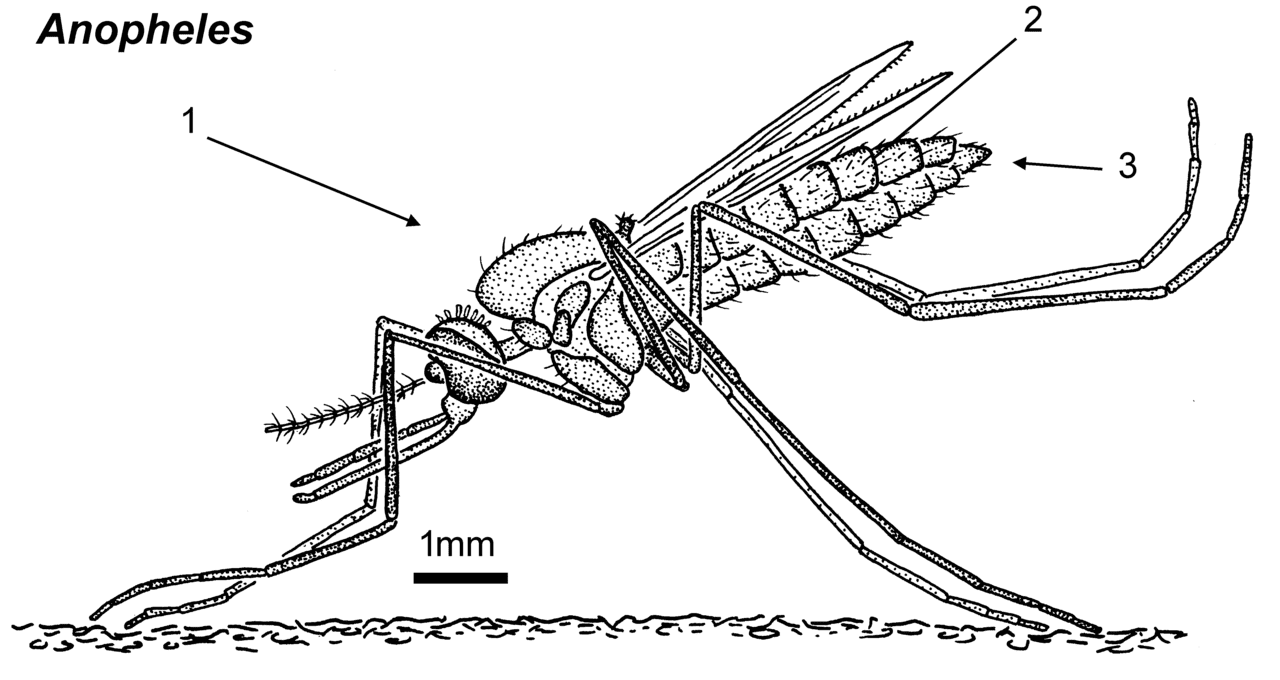
i) Resting Posture — The Most Reliable Field Identifier
No other mosquito genus holds its body the way Anopheles does. At rest, the abdomen tilts sharply upward at roughly a 45-degree angle from the surface — head down, rear end pointing toward the ceiling. Culex and Aedes rest with their bodies running parallel to the wall or floor.
That raised-abdomen posture alone is enough to separate Anopheles from almost everything else in the room. It’s the first thing a trained field entomologist looks for, and it works in the dark with a flashlight just as well as under a microscope.
ii) Palp Length and Mouthpart Structure
Look at the mouthparts closely. In female Anopheles mosquitoes, the maxillary palps — the pair of sensory appendages flanking the proboscis — are nearly equal in length to the proboscis itself. In female Culex and Aedes, those same palps are short, barely a fraction of the proboscis length.
In male Anopheles, the palps are long and distinctly bushy, with a feathered, plumose appearance at the tips. This is consistent across the genus. Male palp morphology actually varies enough between species that it is used as a taxonomic identification tool at the species level in laboratory settings.
The proboscis itself is straight and slender. Unlike some other blood-feeding insects, there is no visible curve or bend. Under magnification, the labium — the sheath surrounding the piercing mouthparts — runs the full length.
iii) Wing Patterning and Scale Arrangement
Many Anopheles species carry distinctive dark and pale scale blocks on their wings, producing a mottled or spotted appearance. These patches are formed by alternating clusters of dark and light scales arranged in a pattern specific enough to assist in species-level identification.
Wing spotting varies considerably across the genus. Anopheles gambiae wings are relatively unmarked. Anopheles maculipennis and several related species show clear pale and dark blotching. Anopheles stephensi displays a characteristic pattern used routinely in identification keys across South Asia and the Middle East.
It is worth noting that wing patterns can fade or become damaged in older specimens or in field-collected individuals — so this feature is best used in combination with other markers, not in isolation.
iv) Body Size, Coloration, and Surface Texture
Adult Anopheles mosquitoes typically measure between 4 and 7.5 mm in body length, placing them in the mid-range for mosquito size — larger than some Aedes species but comparable to Culex. The overall body color runs dark: brown to near-black in most species, noticeably darker than the muted brownish-grey typical of Culex.
The thorax of many species carries fine scale patterns or pale lateral markings. The abdomen shows segmented banding in some species — Anopheles stephensi, for instance, has pale bands visible at segment margins. These surface markings are subtle but consistent within species, and experienced collectors can use them as a supporting identification cue.
Leg banding is also relevant. Several Anopheles species display alternating pale and dark banding on the tarsal segments. This is most prominent in Anopheles culicifacies and Anopheles fluviatilis, both significant vectors in South Asia.
v) Head Structure and Eye Morphology
Under magnification, the compound eyes of Anopheles are large, rounded, and occupy most of the lateral head surface — characteristic of mosquitoes generally, but worth noting as part of a full morphological assessment.
The antennae are filiform (thread-like) in females, with short sparse hairs between segments. Males carry densely plumose antennae — a feature shared with other mosquito genera but noticeably more pronounced in Anopheles males. Antennal morphology at the species level requires specialist keys and is not practical for field identification, but the male-female dimorphism is immediately visible.
vi) Larval Identification in the Breeding Habitat
This is where Anopheles becomes most clearly distinct from other genera — and where field identification during larval surveillance becomes straightforward.
Anopheles larvae rest horizontally and parallel at the water surface. They lack the respiratory siphon tube found in Culex and Mansonia larvae — instead, they breathe through a pair of spiracles on the eighth abdominal segment, positioned flush with the water surface. The absence of that hanging siphon is diagnostic on its own.
Along the larval body, paired palmate (fan-shaped) hairs lie flat against the surface, helping maintain the horizontal floating position. The head is large relative to the body and rotates freely — larvae actively feed by rotating the head 180 degrees to collect microorganisms from the water surface film.
Under magnification, the arrangement of head hairs, the shape of the inner and outer clypeal hairs, and the abdominal palmate hair configuration are all used to identify larvae to species level. These are the characters used in published taxonomic keys such as those produced by the Walter Reed Biosystematics Unit (WRBU).
vii) Pupal Stage Characteristics
The pupa is comma-shaped and aquatic — features shared broadly with other mosquito genera. However, Anopheles pupae tend to rest closer to the water surface and are less active than Culex pupae when disturbed. The respiratory trumpets — the paired breathing tubes on the thorax — are relatively short and broad in Anopheles compared to the longer, narrower trumpets found in Culex.
These pupal features are not commonly used in routine surveillance but are included in comprehensive identification guides for completeness.
viii) Egg Morphology — Unique to the Genus
Anopheles eggs are laid individually on open water surfaces — never in the floating raft clusters that Culex produces. Each egg has a characteristic pair of lateral floats running along both sides, giving it a distinct canoe-like or pontoon silhouette visible under low magnification.
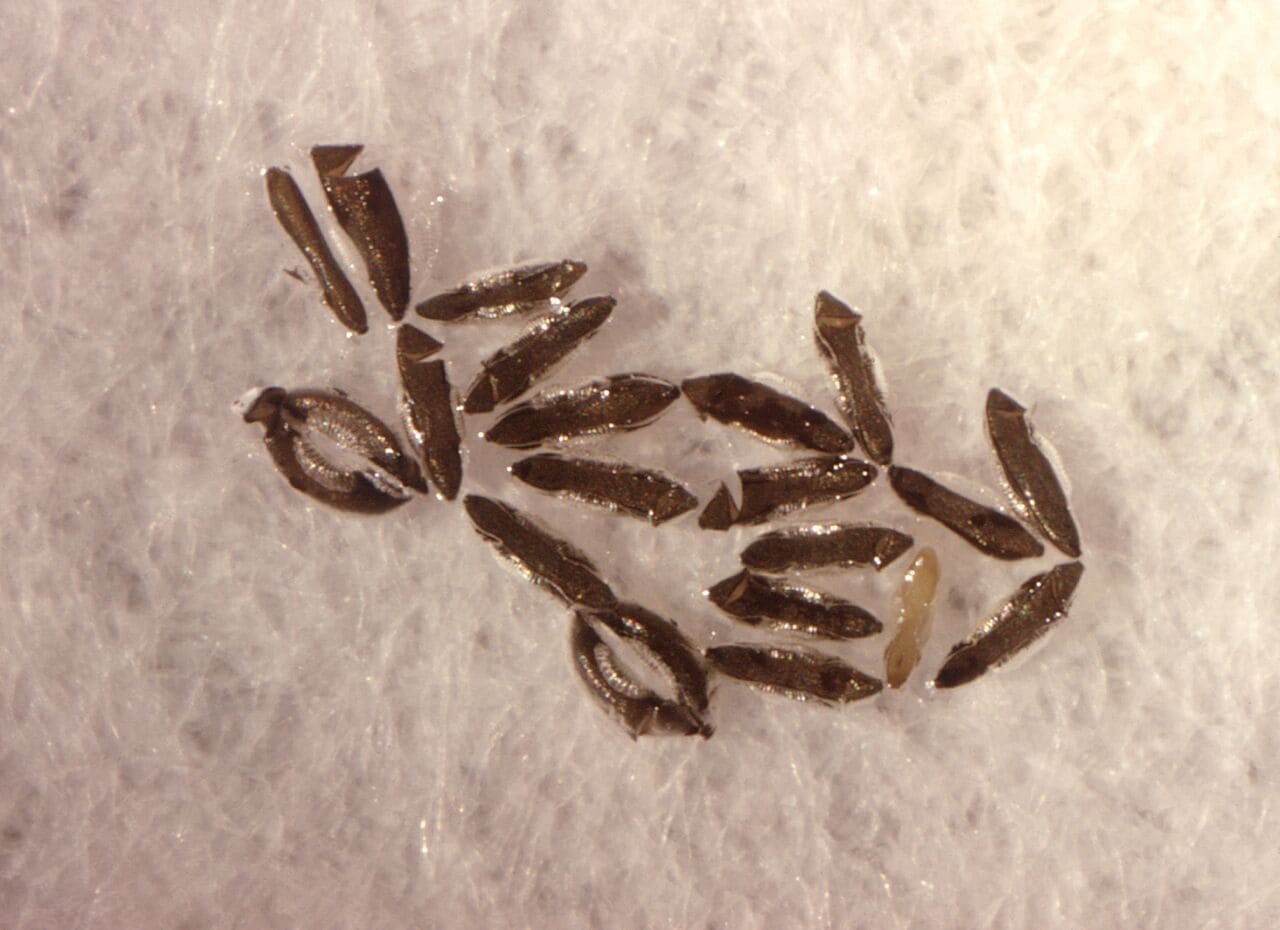
Image Credit: USCDCP
The floats are formed from the outer chorion layer of the egg and serve to keep it buoyant and surface-oriented. Egg surface patterning — the arrangement of the exochorion network — varies between species and is used in species-level identification in research and surveillance contexts, though this requires specialist microscopy.
Anopheles eggs are sensitive to desiccation and cannot survive drying out, unlike the drought-resistant eggs of Aedes mosquitoes. This biological fact directly shapes where Anopheles breeds — it requires persistent water, not ephemeral splash puddles.
2. Differentiating Anopheles from Culex and Aedes at a Glance
Across all life stages, the three major genera separate cleanly on a handful of consistent features:
- Resting adult posture: Anopheles tilts at 45 degrees; Culex and Aedes rest parallel.
- Female palp length: Long in Anopheles, short in Culex and Aedes.
- Wing spots: Present in many Anopheles species; absent in Culex; bold black-and-white in Aedes.
- Larval position: Horizontal in Anopheles; angled with siphon in Culex; angled with longer siphon in Aedes.
- Egg arrangement: Single with floats in Anopheles; rafts in Culex; single without floats in Aedes.
- Breeding habitat: Clean slow water in Anopheles; stagnant polluted water in Culex; small containers in Aedes.
No single trait settles identification on its own. But two or three consistent markers across posture, palp length, and larval form make misidentification unlikely even in field conditions without laboratory equipment.
3. Anopheles Mosquitoes Images and Closeups for Major Known Species
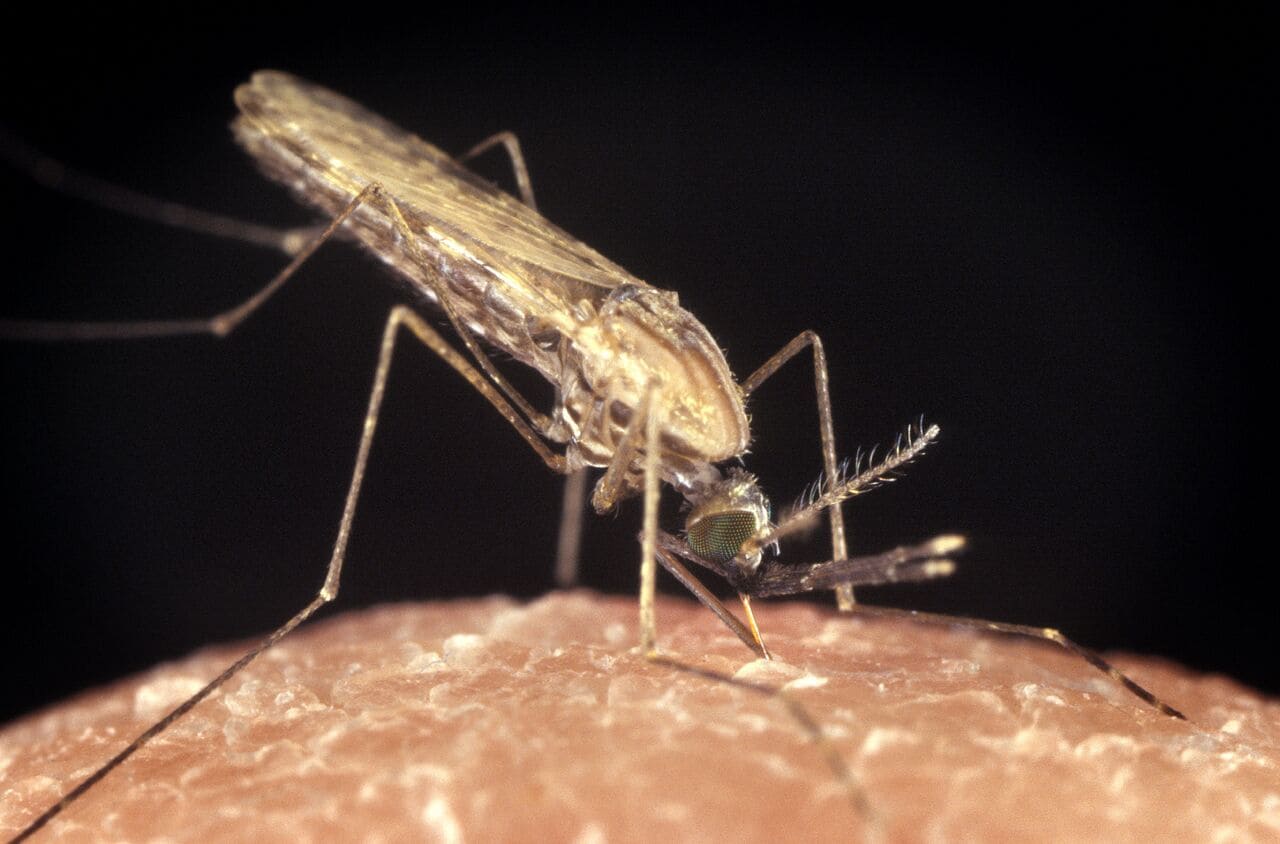
Image Credit: Jim Gathany, USCDCP
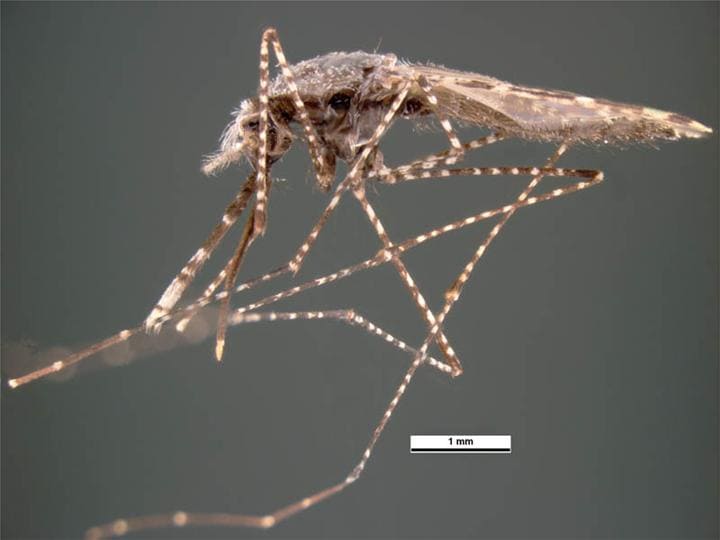
Image Credit: Simon H. & Ken Walker, Museum Victoria
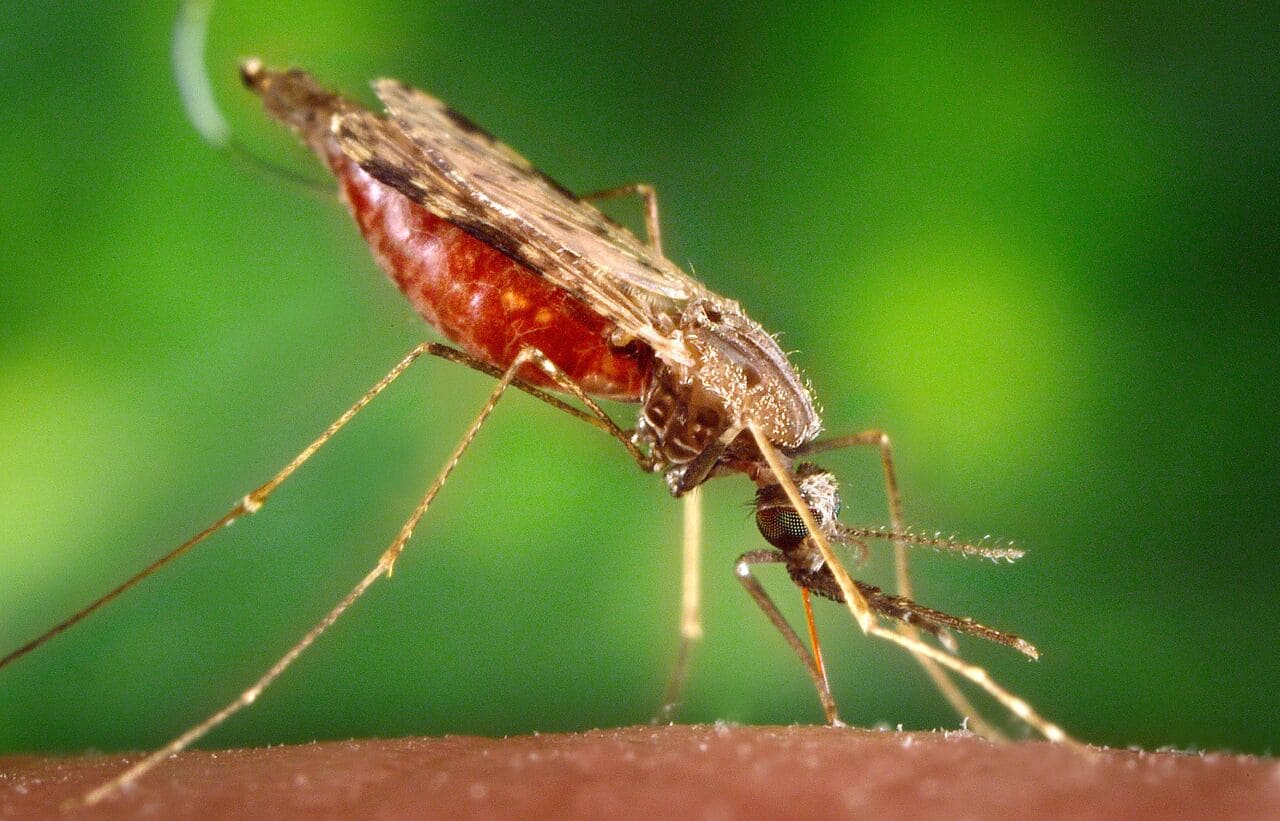
Image Credit: James Gathany, USCDCP
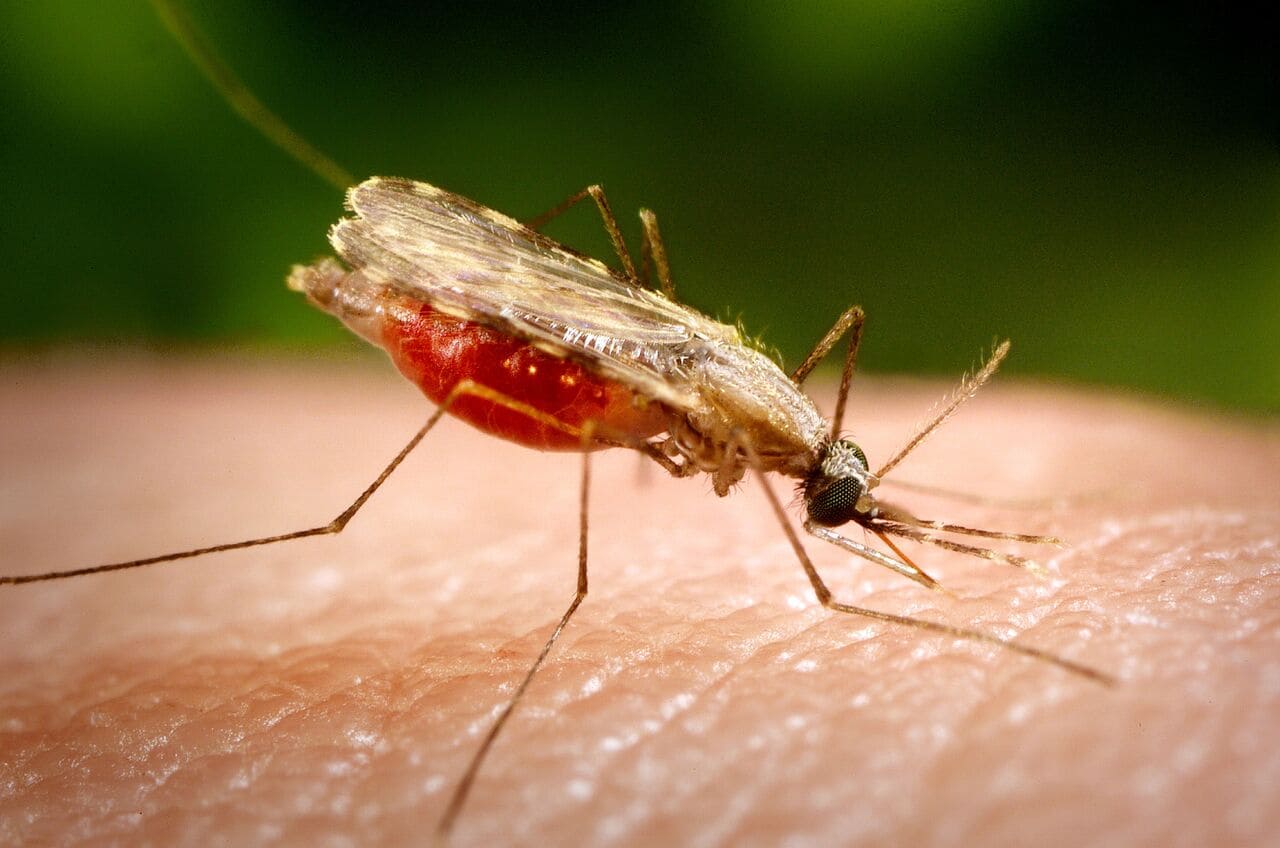
Image Credit: James Gathany, USCDCP
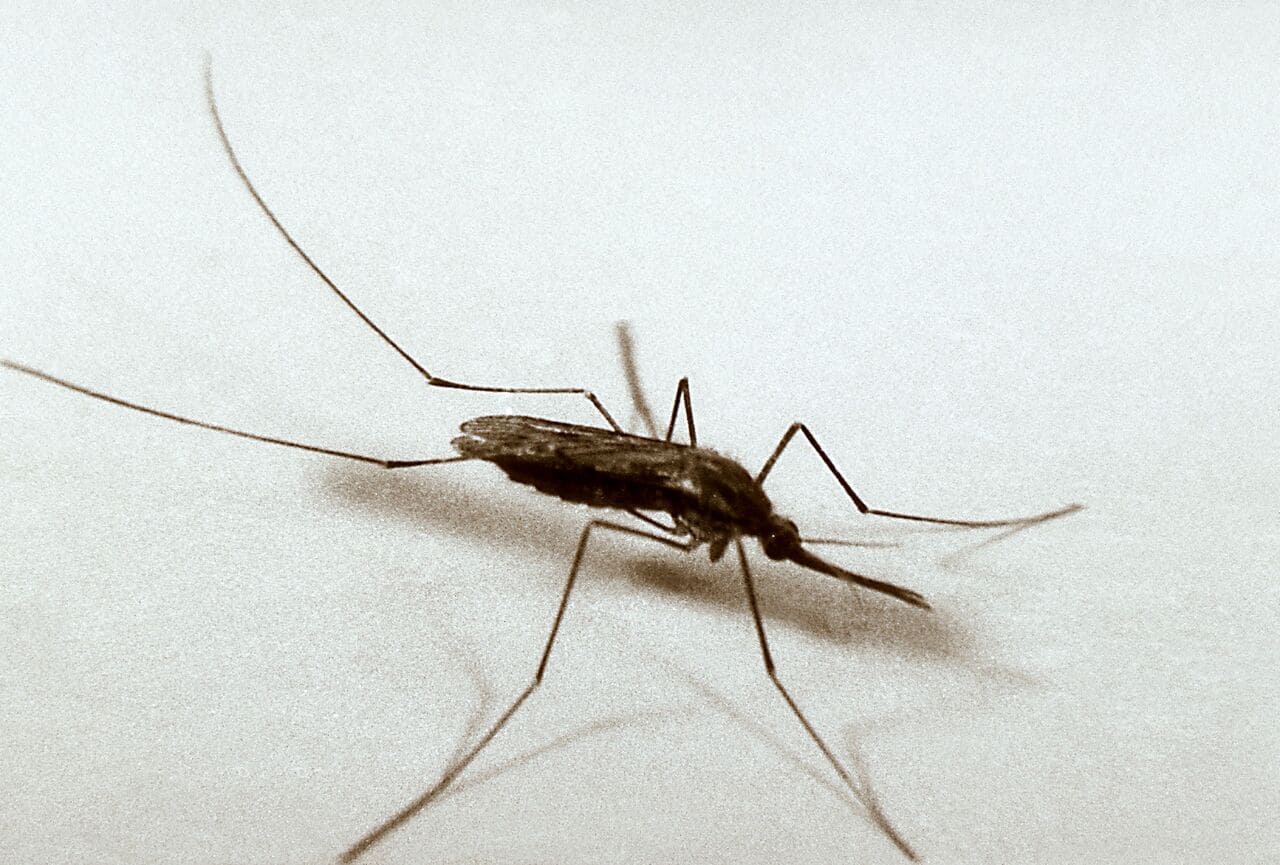
Image Credit: Edward McCellan, USCDCP
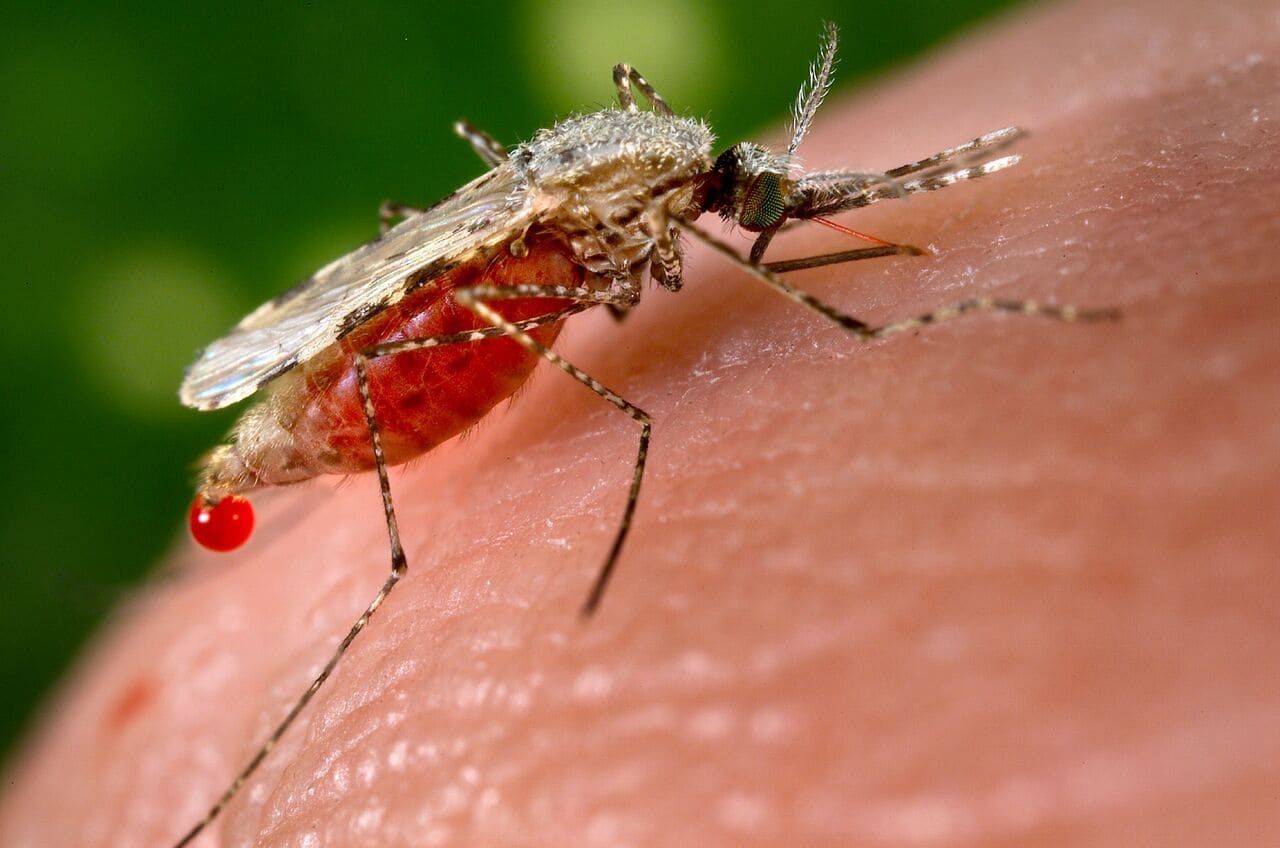
Image Credit: Dr. William Collins, USCDCP
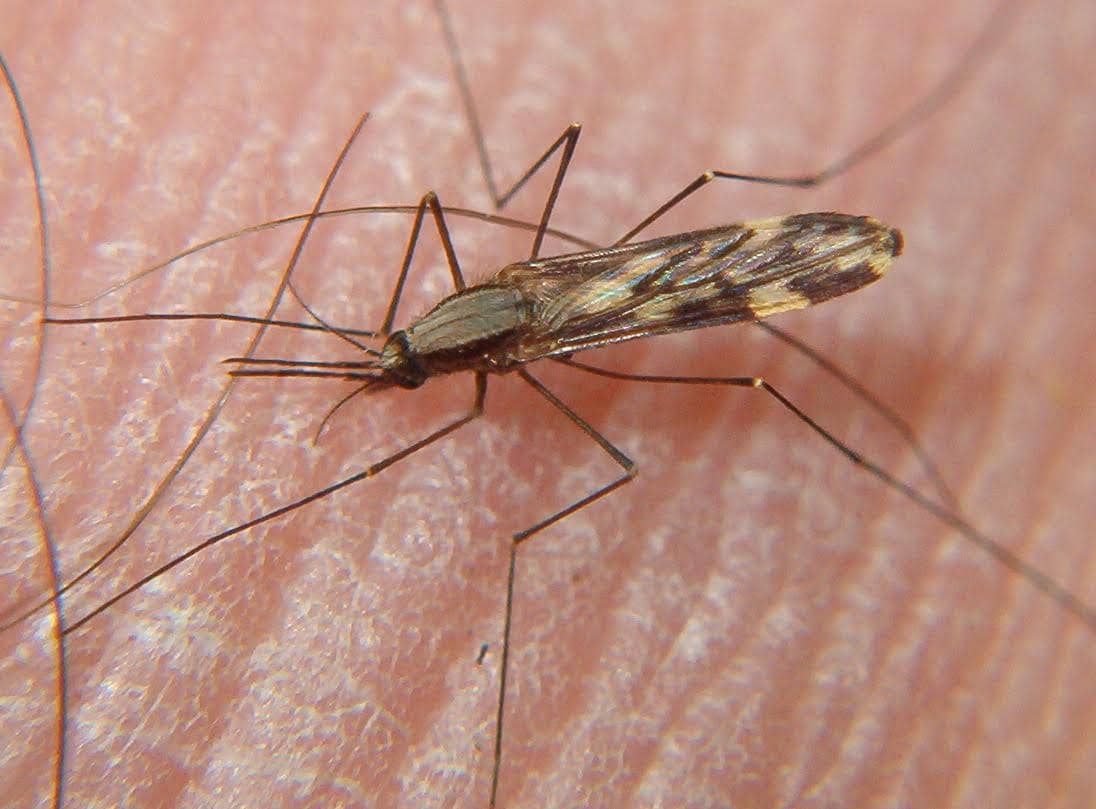
Image Credit: Smithsonian Conservation Biology Institute and partners
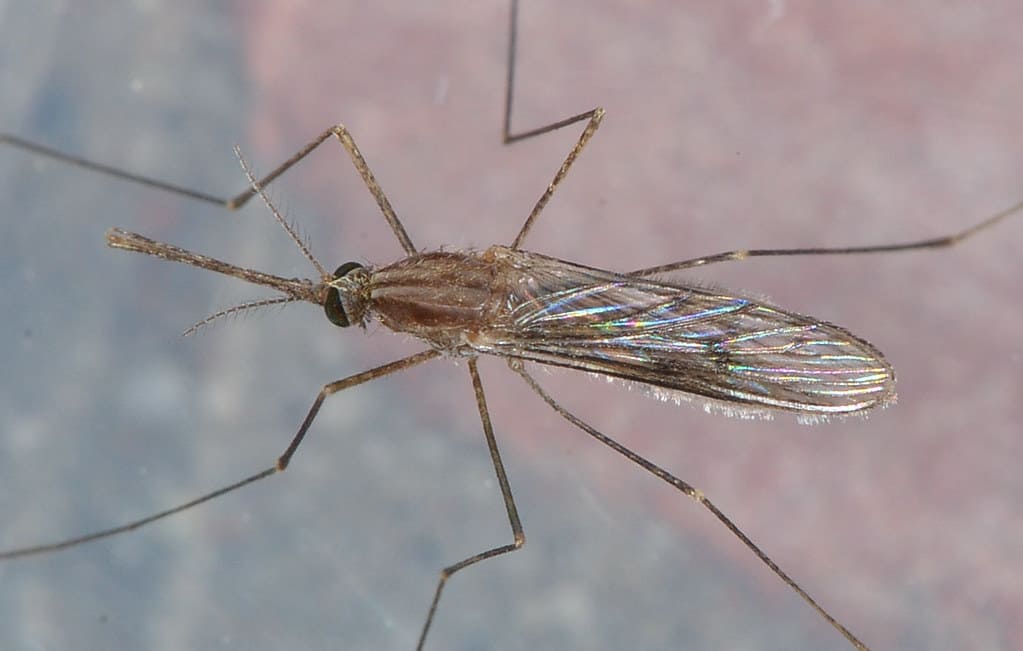
Image Credit: Don Loarie, Flickr
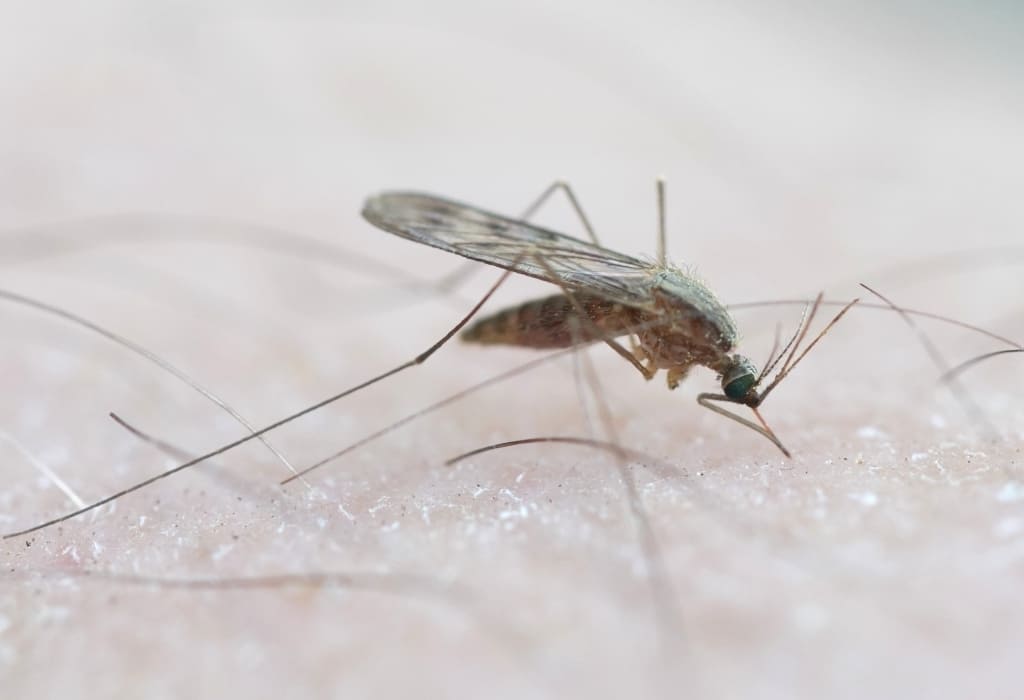
Image Credit: AfroBrazilian: Aleksandrs Balodis
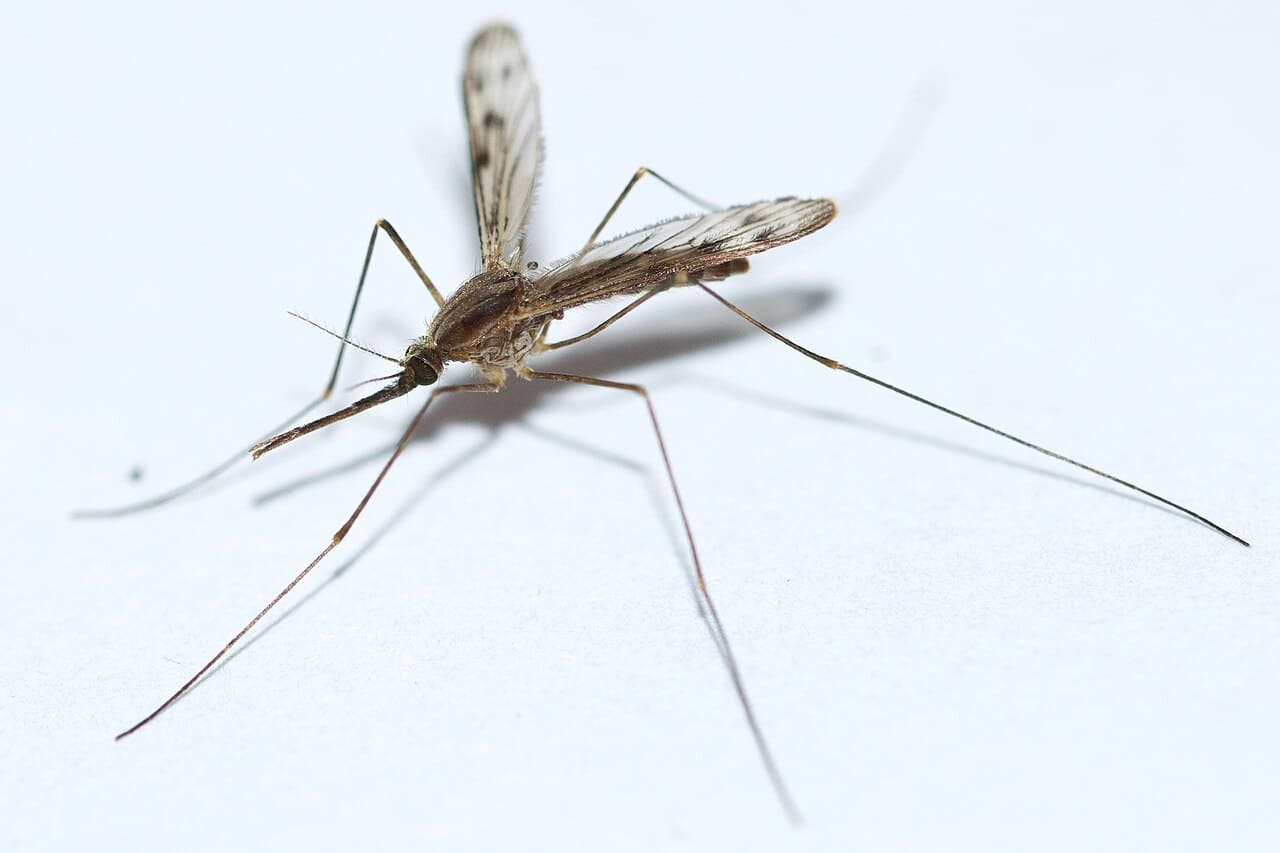
Image Credit: Owen Strickland
Comparison: Anopheles vs. Culex vs. Aedes
| Feature | Anopheles | Culex | Aedes |
| Resting posture | 45-degree angle (abdomen raised) | Parallel to surface | Parallel to surface |
| Female palp length | Equal to proboscis length | Much shorter than proboscis | Much shorter than proboscis |
| Wing appearance | Spotted/mottled scales | No distinctive spots | Black & white scales |
| Primary disease | Malaria | West Nile virus, filariasis | Dengue, Zika, chikungunya, yellow fever |
| Biting time | Dusk to dawn (night) | Evening & night | Daytime (peak at dawn/dusk) |
| Egg laying pattern | Individually, with floats | Raft clusters | Individually, above waterline |
| Preferred breeding site | Clean, slow-moving water | Stagnant, polluted water | Small containers of water |
Female Anopheles Mosquito: The Real Vector
Only the female Anopheles mosquito bites humans. This is a biological necessity, not a behavioral quirk.
Female mosquitoes require blood meals to develop eggs. The proteins in blood fuel egg production — a process called vitellogenesis. Without it, reproduction simply cannot proceed. So when we talk about Anopheles biting and transmitting malaria, we are talking exclusively about the female.
What Does the Male Anopheles Mosquito Feed On?
Male Anopheles mosquitoes feed entirely on plant nectar and sugary plant secretions. They don’t bite. They don’t transmit disease. Their mouthparts are not adapted for piercing skin. Their role in the population is purely reproductive — finding females for mating.
How to Identify a Female Anopheles Mosquito?
Beyond the general Anopheles characteristics described earlier, females can be identified by:
- Long maxillary palps, roughly equal to proboscis length
- Presence of a functional, needle-like proboscis for skin penetration
- Abdominal segments that swell visibly after a blood meal
- Typically darker coloration compared to males
- Slightly larger body size than males of the same species
Anopheles Mosquito Disease: Beyond Malaria
Malaria dominates the conversation, and rightly so. But Anopheles mosquitoes are also implicated in transmitting other significant diseases.
1. Malaria — The Primary Threat
Malaria is caused by Plasmodium parasites, with five species infecting humans:
- Plasmodium falciparum,
- Plasmodium vivax,
- Plasmodium malariae,
- Plasmodium ovale, and
- Plasmodium knowlesi
Plasmodium falciparum is responsible for the majority of severe malaria cases and deaths, particularly in sub-Saharan Africa.
The disease is not spread person to person directly. It requires the Anopheles mosquito as an obligate biological vector — the parasite must complete part of its life cycle inside the mosquito.
2. Lymphatic Filariasis
Several Anopheles species also transmit Wuchereria bancrofti, the filarial worm responsible for lymphatic filariasis (elephantiasis). This is a disfiguring disease affecting millions in tropical and subtropical regions.
3. O’nyong-nyong Fever
Transmitted almost exclusively by Anopheles gambiae and Anopheles funestus, o’nyong-nyong is an alphavirus causing severe joint pain, rash, and fever. While it has caused large outbreaks in East Africa, it is rarely fatal.
Diseases Transmitted by Anopheles Mosquitoes
| Disease | Pathogen | Primary Vector Species | Endemic Regions |
| Malaria (P. falciparum) | Plasmodium falciparum | An. gambiae, An. funestus | Sub-Saharan Africa |
| Malaria (P. vivax) | Plasmodium vivax | An. stephensi, An. dirus | South Asia, Latin America |
| Lymphatic Filariasis | Wuchereria bancrofti | An. gambiae, An. arabiensis | Tropical Africa, South/SE Asia |
| O’nyong-nyong fever | O’nyong-nyong alphavirus | An. gambiae, An. funestus | East and Central Africa |
How Does the Anopheles Mosquito Spread Malaria?
Understanding how the Anopheles mosquito transmits malaria requires understanding a surprisingly complex biological partnership between the mosquito and the Plasmodium parasite.
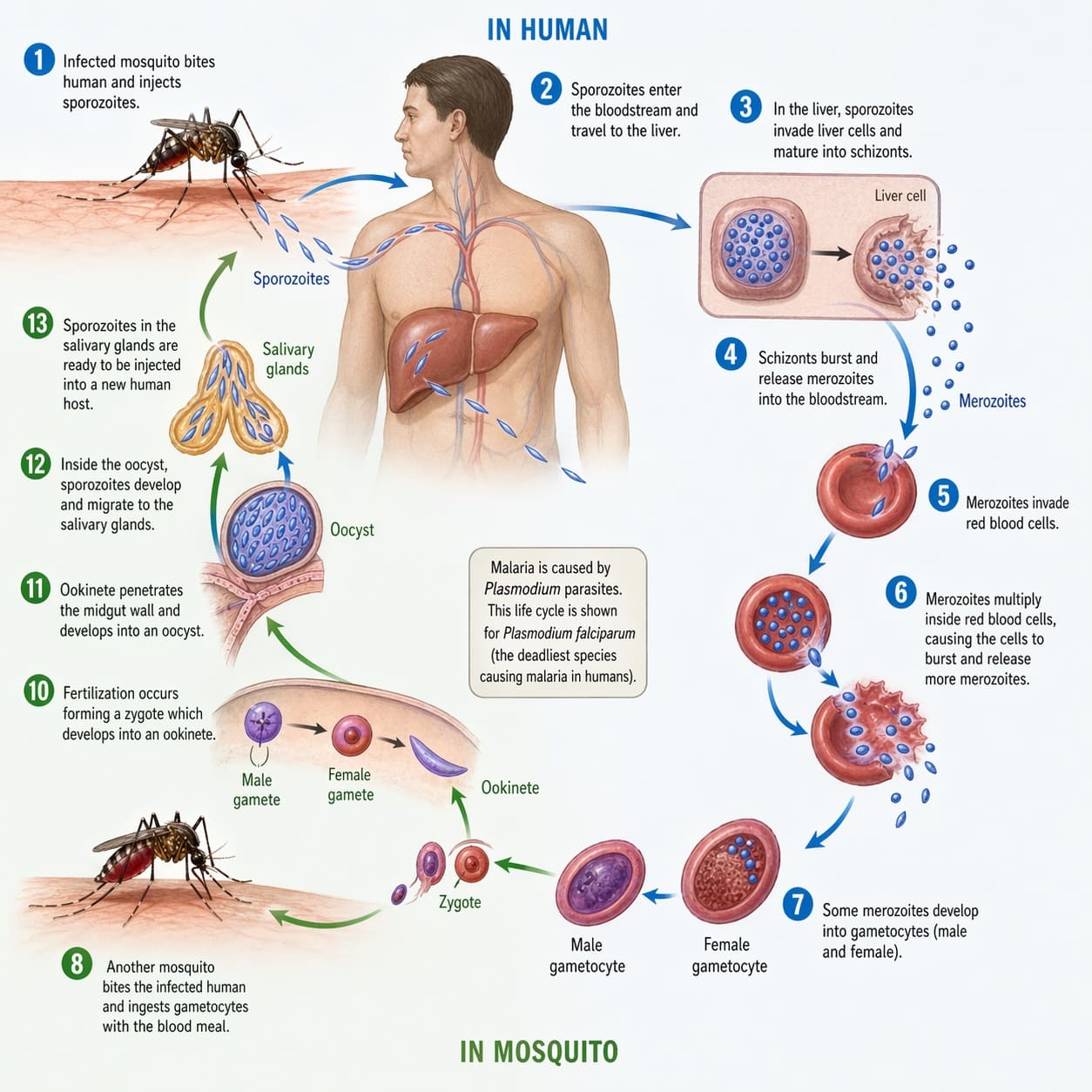
Step-by-Step: Malaria Transmission Cycle
- Infected human to mosquito: A female Anopheles bites a person infected with malaria. It ingests blood containing Plasmodium gametocytes (the sexual stage of the parasite).
- Sexual reproduction in the mosquito gut: Inside the mosquito’s midgut, gametocytes develop into gametes and fuse to form a zygote, which then becomes a motile ookinete.
- Oocyst development: The ookinete penetrates the gut wall and develops into an oocyst. Over 10 to 14 days, thousands of sporozoites form inside each oocyst.
- Sporozoite migration: Mature oocysts rupture, releasing sporozoites that migrate to the mosquito’s salivary glands.
- Mosquito bites new host: When the infected mosquito bites a healthy person, it injects saliva containing sporozoites into the bloodstream.
- Liver stage: Sporozoites travel to the liver, invade hepatocytes, and multiply. This incubation phase can last 7 to 30 days, symptom-free.
- Blood stage and symptoms: Parasites rupture out of liver cells, invade red blood cells, and cause the classic cyclical fevers, chills, and anemia of malaria.
Malaria Transmission Cycle: Within Human Host and Within Mosquito Host
When Does the Anopheles Mosquito Bite?
Timing matters enormously in malaria prevention. Anopheles mosquitoes are predominantly nocturnal biters — most activity occurs between dusk and dawn, with peak biting typically between 10 PM and 2 AM in many endemic regions.
This is why insecticide-treated bed nets (ITNs) are so effective. They provide protection precisely during the hours when Anopheles mosquitoes are most active and when people are most vulnerable (asleep).
Anopheles Mosquito Biting Patterns by Species
- Anopheles gambiae (Africa): Primarily bites indoors, late at night — a behavior called endophagic and nocturnal biting.
- Anopheles stephensi (South Asia, expanding): More flexible — can bite both indoors and outdoors, adapts to urban environments.
- Anopheles dirus (Southeast Asia): Predominantly outdoor (exophagic) biter in forested areas, complicating prevention with bed nets.
- Anopheles darlingi (Latin America): Biting peaks at dusk and early night, often in or near forested/water-edge environments.
The shift toward outdoor biting behavior in some populations — partly a response to widespread indoor insecticide use — is a documented concern in public health research. Mosquitoes are adapting. Control strategies must adapt too.
Where Is the Anopheles Mosquito Found? Location and Global Range
Anopheles mosquitoes are found on every continent except Antarctica. But not all species matter equally for malaria transmission.
1. Sub-Saharan Africa
This is the epicenter of malaria burden. Anopheles gambiae complex species — including Anopheles gambiae sensu stricto, Anopheles arabiensis, and Anopheles coluzzii — are highly efficient vectors. High human-biting rates, indoor-biting behavior, and year-round warm temperatures create near-perfect conditions for malaria transmission.
2. South Asia
Anopheles stephensi is the dominant urban vector in South Asia (India, Pakistan, Afghanistan). Its recent invasion of major cities in Ethiopia, Djibouti, and Sudan represents a major public health threat, extending malaria risk to populations previously not exposed to it.
3. Southeast Asia and the Pacific
The forested hills of Cambodia, Myanmar, Vietnam, and the Philippines harbor Anopheles dirus and Anopheles minimus. Forest malaria in this region is particularly difficult to control due to outdoor-biting behavior and mobile populations (forest workers, miners, military personnel).
4. Latin America
Anopheles darlingi is the primary malaria vector in the Amazon basin, across Brazil, Peru, Bolivia, and Colombia. Venezuela has seen resurgent malaria in recent years tied to socioeconomic disruption and reduced vector control capacity.
5. Middle East and Central Asia
Anopheles superpictus and Anopheles culicifacies are key vectors in parts of Afghanistan, Iran, and neighboring regions, where P. vivax malaria transmission remains ongoing.
Anopheles Mosquito Breeding Places: Where Do They Lay Their Eggs?
Unlike Aedes mosquitoes — which breed readily in small containers like flower pots and discarded tires — Anopheles mosquitoes are far more selective about where they lay their eggs. Understanding these breeding habitats is foundational to control.
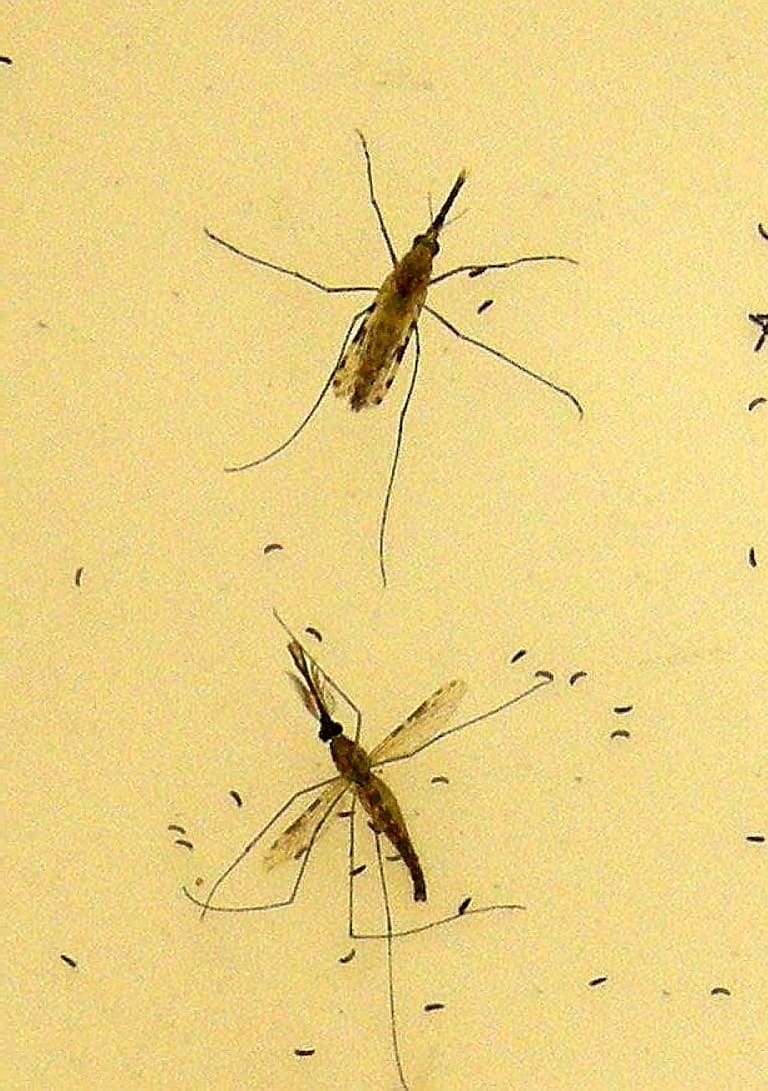
Image Credit: Mary F Adams, MA, MS, USCDCP
Preferred Breeding Environments for Anopheles Mosquitoes
- Slow-moving or still freshwater bodies: edges of rivers, streams, irrigation canals, and lake margins.
- Marshes, swamps, and seasonal floodplains: particularly in sub-Saharan Africa.
- Rice paddies and agricultural irrigation systems: major breeding sites across Asia and Africa.
- Pools left by rainfall in depressions, hoof prints, or cart tracks.
- Clean, sunlit water with sparse vegetation — many Anopheles species avoid heavily polluted or shaded water.
- Mountain streams at specific altitudes (for highland-adapted species).
Egg Characteristics
Female Anopheles mosquitoes lay eggs singly (not in rafts like Culex) directly on the water surface. Each egg has a characteristic pair of lateral floats that keep it buoyant. A single female can lay 50 to 200 eggs per batch, typically after each blood meal.
What Anopheles Mosquitoes Do NOT Breed In?
Unlike Aedes aegypti, Anopheles mosquitoes generally do not breed in small artificial containers — buckets, vases, tires — though there are exceptions. This behavioral difference is one reason why the vector control approaches for malaria and dengue are quite different.
Anopheles Mosquito’s Breeding Habitat Summary by Region
| Region | Common Vector | Typical Breeding Sites |
| Sub-Saharan Africa | Anopheles gambiae complex | Rice paddies, temporary pools, marshes, stream edges |
| South Asia | Anopheles stephensi | Urban containers, wells, overhead tanks, construction sites |
| Southeast Asia | Anopheles dirus | Forest pools, shaded streams, slow-moving forest waterways |
| Latin America | Anopheles darlingi | River edges, flooded forest margins, backwaters |
| Middle East | Anopheles superpictus | Irrigation canals, stream banks, oases |
Anopheles Mosquito Life Cycle: From Egg to Adult
The entire Anopheles life cycle unfolds across four stages, and the duration of each is heavily influenced by ambient temperature.
1. Egg Stage (2–3 Days)
Eggs are laid singly on calm water surfaces. They hatch into first-instar larvae within 2 to 3 days in warm conditions, and up to 2 to 3 weeks in cooler climates.
2. Larval Stage (7–14 Days)
Anopheles larvae are aquatic and pass through four instars (growth stages). Unlike Culex larvae, which hang at an angle from the water surface, Anopheles larvae lie parallel to the surface — a key identification feature.
They feed on algae, bacteria, and microorganisms at the water surface. Larval survival is highly sensitive to water quality, temperature, and the presence of natural predators.
3. Pupal Stage (2–3 Days)
The pupa does not feed. It is a transitional stage during which the adult mosquito develops inside the pupal case. Pupae are comma-shaped and also aquatic, remaining at or near the water surface.
4. Adult Stage (2–3 Weeks)
Adults emerge within 2 to 3 days. Males mature faster than females and are ready to mate immediately. After mating, females seek a blood host for egg development. The entire cycle from egg to adult typically takes 10 to 14 days under optimal tropical conditions.
Malaria Symptoms, Diagnosis, and Treatment
Public health literacy about malaria matters. Recognizing symptoms early can be lifesaving.
Classic Malaria Symptoms
- Cyclical fever — often with chills and sweating — occurring every 48 or 72 hours depending on the Plasmodium species
- Severe headache
- Muscle aches and fatigue
- Nausea, vomiting
- Anemia, as red blood cells are destroyed by the parasite
- In severe P. falciparum cases: cerebral malaria, organ failure, and death
Diagnosis
Gold-standard diagnosis is microscopic examination of a blood smear. Rapid diagnostic tests (RDTs) detecting Plasmodium antigens are widely used in field settings. PCR-based testing offers the highest sensitivity but is not routinely available in endemic settings.
Treatment
Treatment depends on the Plasmodium species and regional drug resistance patterns. Artemisinin-based combination therapies (ACTs) are the WHO-recommended first-line treatment for uncomplicated P. falciparum malaria. Chloroquine remains effective for P. vivax in most regions. Severe malaria requires intravenous artesunate.
Prevention and Control of Anopheles Mosquitoes
Eliminating malaria depends on disrupting the Anopheles-Plasmodium transmission cycle. Multiple strategies are deployed in parallel.
1. Personal Protection Measures
- Insecticide-treated bed nets (ITNs): The most cost-effective single intervention for malaria prevention, especially long-lasting insecticidal nets (LLINs)
- Indoor residual spraying (IRS): Applying residual insecticides to walls and ceilings where mosquitoes rest after feeding
- Repellents: DEET, picaridin, and IR3535-based repellents provide effective personal protection
- Protective clothing: Long sleeves and trousers during peak biting hours (evening through dawn)
- Window and door screens: Particularly important in areas with endophagic (indoor-biting) species
2. Environmental Management
- Drainage of stagnant water bodies and marshes
- Water management in rice paddies (intermittent irrigation reduces breeding)
- Larval source management: removing, draining, or treating potential breeding sites with larvicides
- Biological control: Introduction of larvivorous fish (Gambusia, Aplocheilus) and Bacillus thuringiensis israelensis (BTI) as biological larvicides
3. Vector Control Innovations
Emerging tools are showing genuine promise:
- Gene drive technology: Genetic modifications designed to suppress Anopheles populations or reduce vector competence, currently under controlled research
- Sterile insect technique (SIT): Releasing sterile males to reduce wild mosquito populations
- Endectocides: Treating livestock with ivermectin to kill mosquitoes feeding on animals
- Attractive Toxic Sugar Baits (ATSB): Novel tools attracting and killing mosquitoes with insecticide-laced sugar solutions
4. Malaria Vaccines
The RTS,S/AS01 (Mosquirix) vaccine — the first malaria vaccine approved by WHO — has been deployed in several African countries since 2021. It offers partial protection, primarily against severe malaria in young children. The R21/Matrix-M vaccine, developed at the University of Oxford, showed higher efficacy in Phase 3 trials and received WHO approval in late 2023. Neither vaccine eliminates the need for vector control, but they represent a landmark shift in prevention strategy.
Global Malaria Burden: Data and Trends
Understanding the scale of malaria is critical context for understanding why Anopheles control matters so much.
| Indicator | Global Estimate (2022) |
| Total malaria cases | ~249 million |
| Total malaria deaths | ~608,000 |
| Proportion in Africa | >95% of cases and deaths |
| Children under 5 (deaths) | ~76% of all malaria deaths |
| Countries with malaria transmission | 85 countries |
| People at risk globally | ~3.3 billion |
These numbers represent real lives. They also represent a public health challenge that continues to evolve — drug resistance, insecticide resistance, and climate-driven range expansion of Anopheles vectors are all active concerns shaping global health strategy.
Climate Change and the Expanding Range of Anopheles Mosquitoes
Climate change is not a future concern for malaria — it’s a present one.
Rising temperatures extend the geographic range where Anopheles mosquitoes can survive and where Plasmodium parasites can complete their development inside the mosquito. Regions previously too cold for stable malaria transmission — parts of highland Africa, high-altitude areas in Asia, and even southern Europe — are experiencing conditions increasingly favorable to Anopheles.
- A landmark study published in Science (2019) documented upward range shifts of malaria vectors into highland areas of Africa and the Americas as temperatures rise.
- Anopheles stephensi’s documented spread into urban East Africa — a region historically relying on altitude as a natural buffer against malaria — is a concrete example of climate-driven vector expansion.
- Altered rainfall patterns affect breeding site availability: both droughts (creating stagnant residual pools) and floods (creating massive new larval habitats) can increase Anopheles populations.
The intersection of climate change and vector biology is one of the most urgent frontiers in global health research.
Conclusion: Why the Anopheles Mosquito Remains a Critical Public Health Priority
The Anopheles mosquito has shaped human history in ways most people never consider. Entire military campaigns have been derailed by malaria. Colonial patterns, migration routes, agricultural development in the tropics — all of it influenced, at some level, by this small insect.
Today, despite decades of sustained global effort, malaria remains one of the leading infectious causes of death worldwide. The Anopheles mosquito — specifically the blood-seeking female — remains the indispensable link in that chain of transmission.
Understanding what it is, where it lives and breeds, when it bites, and how it spreads malaria is not merely academic. It’s the foundation of every effective intervention, from distributing bed nets to a child in Malawi to deploying gene drive technology in controlled trials in West Africa.
The science is clear. The tools exist. What remains is sustained commitment — in funding, research, policy, and community engagement — to finish one of public health’s oldest fights.
Editorial Team & Contributors

Raashid Ansari, Founder, Content Researcher & Author - MosquiTalk
Not an entomologist — just a genuinely curious writer who started researching mosquitoes and couldn't stop. What began as casual reading about repellents and bite prevention gradually turned into a deep ongoing dive into vector biology, disease epidemiology, animal health impacts, and the real science behind mosquito control. Everything published here is carefully edited, and written with one purpose: giving readers accurate, accessible information they can actually trust and use to protect themselves, their families, and their pets, birds and cattle.
Active across social platforms, regularly publishes, and genuinely invested in spreading mosquito awareness where it matters most. Because informed readers make better decisions — and better decisions save lives.