
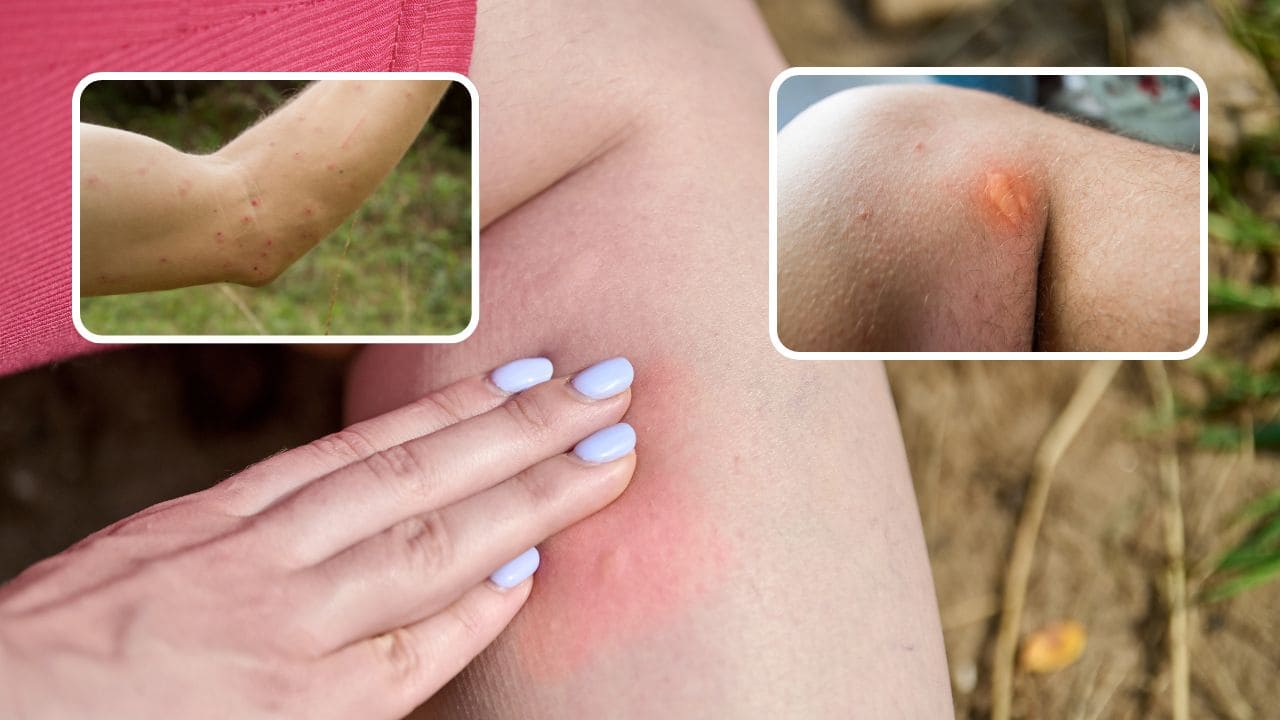
Most people scratch a mosquito bite and forget about it. But what if that tiny, itchy welt is quietly turning into something far worse — a mosquito bite infection, and you don’t even notice until it’s too late?
Introduction
Every year, thousands of people end up in urgent care — not because of the mosquito itself, but because of what happened after the bite. A small scratch. A little bacteria. A window of time where the warning signs were easy to dismiss.
The truth is, a mosquito bite infection can escalate fast. Especially in children, older adults, or anyone with a compromised immune system. And most people have no idea what to look for. So, how to tell if a mosquito bite is infected?
This guide covers everything — the early signs, the red flags, the treatments that actually work, and the mistakes that make things worse. Read this before your next mosquito bite becomes a bigger problem.
Can a Mosquito Bite Get Infected?
Yes — and it happens more often than most people realize. The mosquito itself doesn’t usually inject bacteria when it bites. The real problem starts after. When you scratch.
Scratching breaks the skin. And the moment skin is broken, bacteria from your fingernails, the environment, or even surrounding skin can enter the wound. The two main culprits are Staphylococcus aureus and Streptococcus pyogenes — the same bacteria responsible for staph infections and strep.
According to dermatologists, secondary skin infections from insect bites are especially common in humid climates and during summer months when people sweat more and skin bacteria levels are higher. Children are particularly vulnerable because, let’s be honest, they scratch everything.
What Does an Infected Mosquito Bite Look Like?
This is where it gets important. A normal bite looks different from an infected one — but the difference isn’t always obvious at first glance.
Normal Bite vs. Infected Bite
| Normal Bite | Infected Bite |
| Small red or pink bump | Expanding red area (larger than a quarter) |
| Mild swelling at bite site | Significant, worsening swelling |
| Itchy, not painful | Painful, tender, or warm to touch |
| Fades within 3–7 days | Gets worse after 48 hours |
| No fluid or discharge | Pus, fluid, or open sores present |
| No fever | Fever, chills, or flu-like symptoms |
Mosquito Bite Infection Symptoms: The Full Picture
Knowing the symptoms of a mosquito bite infection can genuinely make the difference between a quick antibiotic course and a hospital stay. Here’s what to watch for, roughly in order of how they tend to appear.
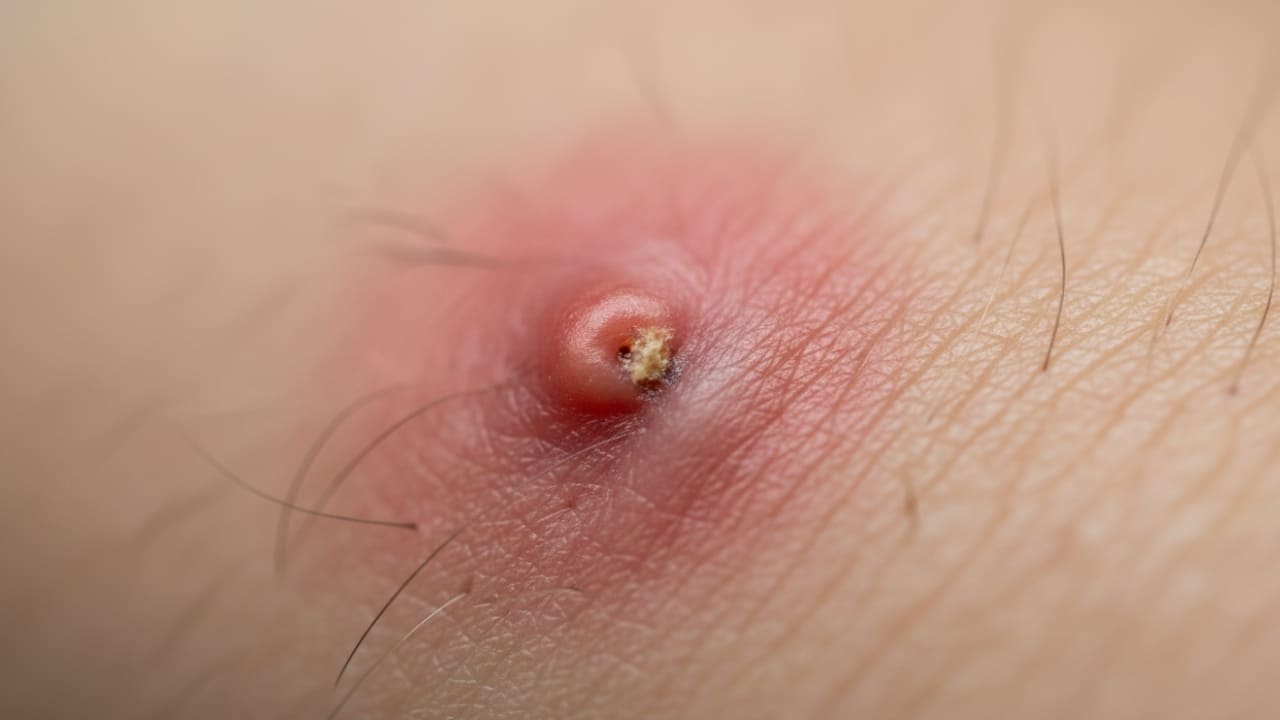
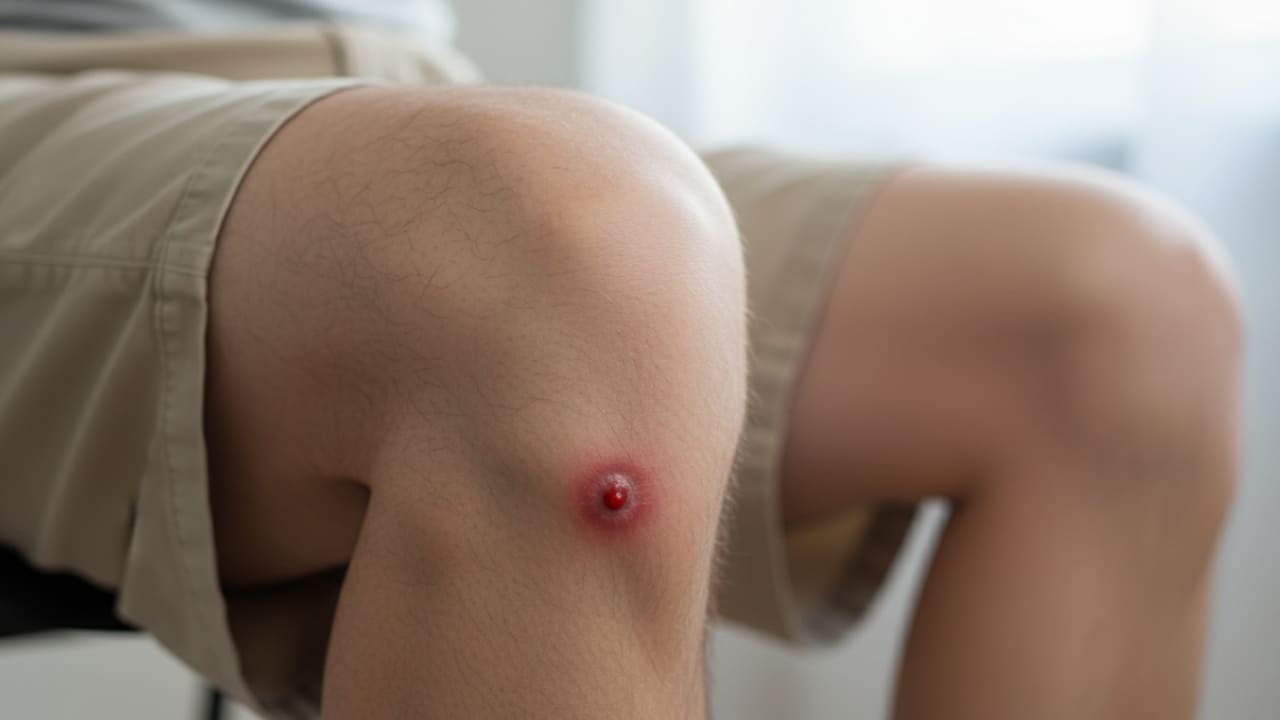
1. Early Signs of Mosquito Bite Infection (Days 1–2)
- Increasing redness: The redness spreads beyond the original bite area and doesn’t fade with normal treatment.
- Warmth: The skin around the bite feels noticeably warmer than surrounding areas.
- Growing pain: It shifts from itch to actual pain or tenderness when touched.
- Swelling that worsens: Instead of going down after 24 hours, the swelling keeps growing.
2. Advanced Signs of Mosquito Bite Infection (Days 3–5)
- Pus or discharge: Yellow or greenish fluid oozing from the site.
- Skin that’s hot and hard: Cellulitis after mosquito bite can cause the skin to feel stiff.
- Red streaks: This is serious. Red lines radiating from the bite can mean the infection is spreading to your lymphatic system (lymphangitis). Go to an ER.
- Fever over 100.4°F (38°C): Your body is fighting something systemic.
- Swollen lymph nodes: Check around your groin, armpits, or neck depending on where the bite is.
- Fatigue, chills, or nausea: Signs the infection may be entering the bloodstream.
How to Know If a Mosquito Bite Is Infected: A 3-Step Self-Check
If you’re not sure whether what you’re looking at is a normal reaction or an actual infection, try this simple three-step check.
Step #1 — The 48-Hour Rule
A normal bite should start improving within 24–48 hours. If yours is getting worse, not better, that’s a strong indicator of infection.
Step #2 — The Coin Test
Draw a circle around the red area with a pen. Check it 4–6 hours later. If the redness has grown beyond the circle, the infection is spreading. This is a technique used by doctors to monitor cellulitis.
Step #3 — The Touch Test
Gently press the area. Infected tissue tends to be hard, hot, and painful under pressure. A normal bite is soft and only mildly uncomfortable when pressed.
Mosquito Bite Infection Treatment: What Actually Works
Mosquito bite infection treatment depends on how severe the infection is. Mild infections can often be handled at home. More serious ones need a doctor. Here’s the breakdown.
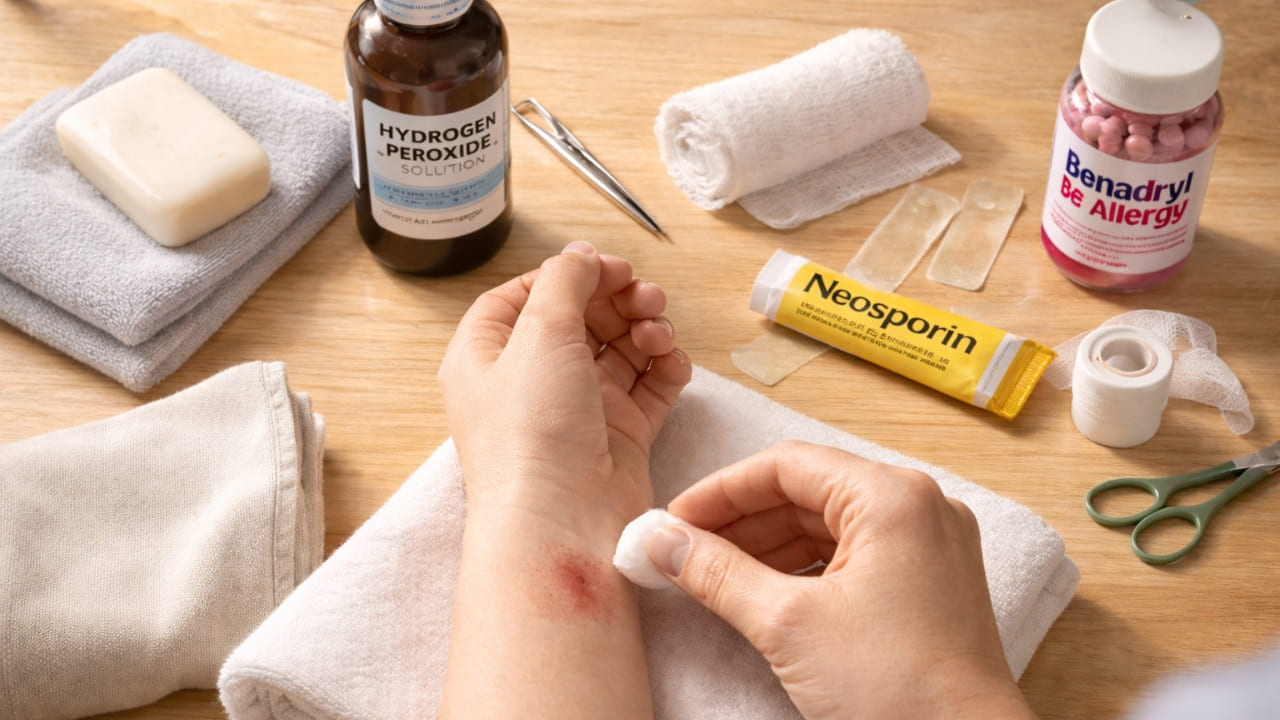
1. At-Home Treatment for Mild Infections
- Wash the area thoroughly with soap and water for at least 20 seconds.
- Apply an antiseptic like povidone-iodine or hydrogen peroxide to the open area.
- Use a warm compress (not hot) for 15 minutes, 3–4 times a day. This helps bring blood flow to the area and can speed healing.
- Apply an over-the-counter antibiotic ointment like Neosporin or bacitracin. Cover with a clean bandage.
- Take an antihistamine (like Benadryl) to reduce itching and resist the urge to scratch.
- Elevate the affected limb if swelling is present.
2. Antibiotics for Mosquito Bite Infection
If the infection is beyond mild — spreading redness, pus, fever, or worsening pain — you need to see a doctor. Do not wait and hope it resolves on its own.
Common antibiotics prescribed for mosquito bite infections include:
- Cephalexin (Keflex): Often first-line for mild-to-moderate skin infections like cellulitis.
- Dicloxacillin: Effective against staph bacteria.
- Trimethoprim-sulfamethoxazole (TMP-SMX): Used especially for MRSA-suspected infections.
- Clindamycin: Another option for MRSA or penicillin-allergic patients.
- Amoxicillin-clavulanate: Broader spectrum, often used for more complex presentations.
3. When to Go to the ER
- Red streaks spreading from the bite site
- High fever (above 103°F / 39.4°C)
- Confusion, rapid heart rate, or difficulty breathing
- Large area of skin involvement (bigger than your palm)
- Symptoms worsening despite 48+ hours of antibiotics
- You’re immunocompromised, diabetic, or have circulatory issues
How to Cure a Mosquito Bite Infection: The Recovery Timeline
With proper treatment, most mosquito bite infections clear up within 7–14 days. Here’s what recovery typically looks like:
| Timeline | Expected Progress |
| Days 1–2 | Redness may slightly worsen before improving; start antibiotics if prescribed |
| Days 3–4 | Redness should stop spreading; swelling begins to reduce |
| Days 5–7 | Pain decreases significantly; skin starts to look normal again |
| Days 8–14 | Full resolution; skin may remain slightly discolored for a few weeks |
If you’re not improving within 48–72 hours of starting antibiotics, go back to your doctor. The bacteria may be resistant to the initial antibiotic choice.
How to Prevent Mosquito Bite Infection?
Prevention is always easier than treatment. Here’s how to stop an ordinary bite from turning into an infected one.
1. Immediately After a Bite
- Wash the bite with soap and water right away.
- Resist scratching. It’s hard. But scratching is the single biggest risk factor for infection.
- Apply a cold compress to reduce itching without breaking the skin.
- Use anti-itch creams containing hydrocortisone 1% or calamine lotion.
- Keep fingernails short and clean, especially in children.
2. Longer-Term Prevention Strategies
The best mosquito bite infection is the one you never get. Reduce your risk of bites in the first place:
- Use EPA-registered repellents: DEET (20–30%), picaridin, IR3535, or oil of lemon eucalyptus are all proven effective. The CDC recommends these specifically.
- Wear protective clothing: Long sleeves and pants in the evenings when mosquitoes are most active.
- Eliminate standing water: Mosquitoes breed in as little as a bottle cap of water. Empty containers, buckets, and plant trays weekly.
- Use mosquito nets: Especially for children at night or in high-risk regions.
- Keep screens in good repair: A torn screen is an open invitation.
Who Is Most at Risk for Serious Mosquito Bite Infections?
Not everyone’s risk is the same. Certain groups need to be more vigilant about signs of infection and seek care earlier.
Higher-risk individuals include:
- people with diabetes (poor circulation and immune response slow healing),
- those with compromised immune systems (HIV, cancer treatment, organ transplant recipients),
- older adults (thinner skin and weaker immune response),
- young children (they scratch constantly and their immune systems are still developing), and
- people with chronic venous insufficiency or lymphedema.
If you fall into any of these categories, treat every mosquito bite more seriously than the average person might. Monitor closely. See a doctor sooner rather than later.
Common Mistakes People Make With Infected Bites
These are the errors that turn a manageable mosquito bite infection into a serious medical situation.
- Waiting too long: People assume it will resolve on its own. Sometimes it does. Sometimes it doesn’t. After 48 hours of worsening symptoms, see a doctor.
- Squeezing or popping: This pushes bacteria deeper into tissue and can worsen the infection significantly.
- Using random home remedies: Toothpaste, vinegar, essential oils — none of these treat bacterial infections. Some can irritate already-compromised skin.
- Stopping antibiotics early: If you feel better on day 4 and stop a 10-day course, the remaining bacteria can rebound — sometimes in a more resistant form.
- Ignoring fever: A fever is your body telling you the infection has gone systemic. This is not the time to manage with Tylenol and hope for the best.
What Dermatologists and Infectious Disease Experts Say
The American Academy of Dermatology (AAD) notes that impetigo — a common bacterial skin infection — often starts as a result of scratched insect bites. The AAD advises keeping bites clean and covered, and seeing a healthcare provider if you notice spreading redness, warmth, or pus.
The Centers for Disease Control and Prevention (CDC) emphasizes the importance of early treatment for skin infections, noting that untreated cellulitis can spread rapidly and require IV antibiotics in hospital settings.
Infectious disease specialists consistently flag the rise of community-acquired MRSA (methicillin-resistant Staphylococcus aureus) as a concern with skin infections. This is why getting a proper diagnosis — and sometimes a culture test — matters. Not all infected bites respond to the same antibiotic.
Have You Ever Dealt With a Mosquito Bite Infection?
Honestly, most of us have either had one ourselves or seen it happen to someone close to us. That moment when you realize the bite is getting worse instead of better — it’s unsettling.
We’d love to hear from you. Did you catch the infection early? Did you try home remedies first? Did you end up needing antibiotics? Share your experience in the comments below. Your story might help someone else recognize the signs before things escalate.
📰 Must Read,
✔️ Mosquito Bites: A Complete Guide to Mosquito Bite Prevention
✔️ Bruising Around Mosquito Bite: Causes & Treatment
✔️ Home Remedies to Get Rid of Mosquito Bites Overnight
✔️ 8 Home Remedies to Treat Mosquito Bites in Babies
✔️ Aloe Vera, a Natural Remedy for Mosquito Bites
✔️ How to Get Rid of Mosquito Bite Scars?
Final Takeaway: Don’t Let a Mosquito Bite Become a Medical Emergency
A mosquito bite is usually nothing. But when it gets infected — really infected — it’s not nothing anymore.
Knowing how to know if a mosquito bite is infected could save you from a hospital visit, weeks of treatment, or worse. The signs are there if you know what to look for: expanding redness, increasing pain, warmth, pus, fever, or those tell-tale red streaks.
Act within 48 hours. Clean the wound. See a doctor if it’s spreading. Finish your antibiotics. And don’t scratch.
Start now: the next time you or someone in your household gets a mosquito bite, use the 3-step self-check from this article. Bookmark it. Share it. It’s a small thing that could genuinely make a big difference.
Editorial Team & Contributors

Raashid Ansari, Founder, Content Researcher & Author - MosquiTalk
Not an entomologist — just a genuinely curious writer who started researching mosquitoes and couldn't stop. What began as casual reading about repellents and bite prevention gradually turned into a deep ongoing dive into vector biology, disease epidemiology, animal health impacts, and the real science behind mosquito control. Everything published here is carefully edited, and written with one purpose: giving readers accurate, accessible information they can actually trust and use to protect themselves, their families, and their pets, birds and cattle.
Active across social platforms, regularly publishes, and genuinely invested in spreading mosquito awareness where it matters most. Because informed readers make better decisions — and better decisions save lives.