
The Insect You Hate Might Be Holding the Ecosystem Together!
Introduction
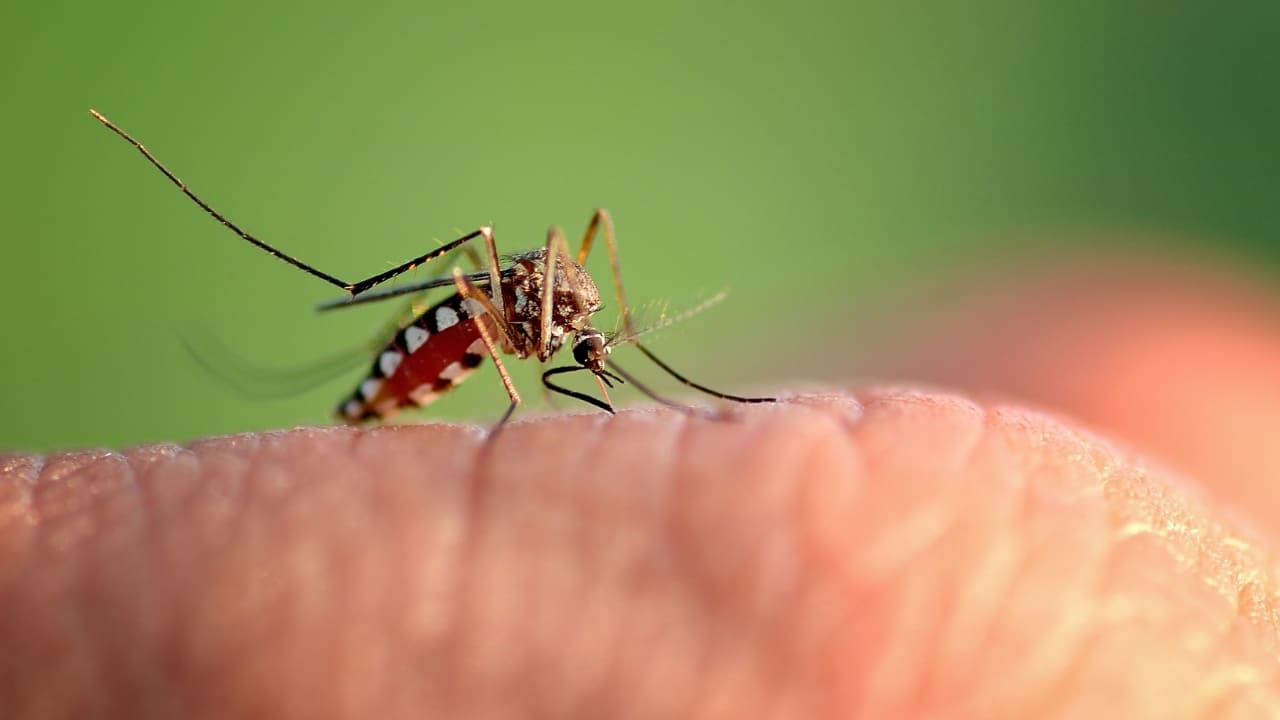
You’ve swatted them. Cursed them. Slathered yourself in repellent at 9 PM just to sit outside for twenty minutes. And yet — here’s the question nobody actually stops to ask: what purpose do mosquitoes serve?
If your first instinct is “absolutely nothing,” you’re not alone. But you’d be wrong. And honestly? The truth is a little unsettling.
Mosquitoes have been on Earth for over 100 million years. They outlived the dinosaurs. They’ve survived every mass extinction this planet has thrown at life. You don’t survive 100 million years by serving no purpose.
So before you reach for the bug spray again — stick around. What you’re about to read might genuinely change how you think about the world’s most despised insect.
Do Mosquitoes Serve a Purpose? The Short Answer
Yes. Absolutely yes — though it’s complicated.
Most people assume mosquitoes exist purely to ruin summer evenings and spread disease. And sure, that part is real. Mosquitoes are responsible for more human deaths per year than any other animal on the planet. Malaria alone kills hundreds of thousands of people annually, primarily children under five in sub-Saharan Africa.
But here’s the thing. What mosquitoes do to humans is only one side of the story. The other side — what they do for the ecosystem — is a completely different picture.
What Purpose Do Mosquitoes Serve in the Ecosystem?
Let’s get into it. Because this is where it gets genuinely interesting.
1. Mosquitoes Are Pollinators (Yes, Really)
Most people don’t know this. Male mosquitoes don’t bite at all. They survive entirely on nectar and plant sugars. In doing so, they act as pollinators — especially in northern ecosystems where other pollinators are scarce.
In the Arctic tundra, for instance, mosquitoes are among the primary pollinators for several native plant species. Research published in scientific ecology journals has noted that certain orchid species in northern Canada are almost exclusively pollinated by mosquitoes.
Take mosquitoes out of those ecosystems and you’d see plant populations collapse. Not dramatically, not overnight — but steadily, silently. It’s the kind of thing that doesn’t make headlines until it’s too late.
2. They’re a Critical Food Source
This is probably the biggest ecological function mosquitoes serve. And it’s massive.
Mosquitoes — at every life stage — are food. Larvae are eaten by fish, tadpoles, aquatic insects, and water birds. Adult mosquitoes are eaten by bats, swallows and purple martins, dragonflies, frogs, spiders, and countless other animals.
Bats in particular. A single little brown bat can eat up to 1,000 mosquitoes per hour. Think about what that bat eats if mosquitoes disappear. It doesn’t just eat less — it might not survive at all. And bats are already in serious trouble globally.
Remove mosquitoes and you pull a thread from the food web. What unravels is hard to predict, but it wouldn’t be good.
- Mosquito larvae feed fish and aquatic insects
- Adult mosquitoes feed bats, swallows, and dragonflies
- Mosquito eggs are consumed by aquatic microorganisms
- Decomposing mosquitoes return nutrients to soil and water
3. Nutrient Cycling in Aquatic Ecosystems
Mosquito larvae live in standing water. They eat organic debris, bacteria, algae. In doing so, they filter water and cycle nutrients back into the ecosystem.
It’s not glamorous work. But someone has to do it.
Research in freshwater ecology has shown that in areas with high mosquito larvae density, water clarity and organic breakdown improve. Remove the larvae and organic matter accumulates. The water quality suffers. Other species suffer too.
What Ecological Purpose Do Mosquitoes Serve in Different Habitats?
In the Arctic
As mentioned — pollination. Also, they’re a significant food source for migratory birds. During peak mosquito season in the Arctic, researchers have estimated that bird populations might not be sustainable without mosquitoes as a food base. That’s not a minor footnote. Migratory birds connect ecosystems across continents.
In Tropical Rainforests
In tropical ecosystems, mosquitoes contribute to forest floor nutrient cycling. Their larval stage breaks down leaf litter in water pools formed in tree hollows and on broad leaves — a habitat called phytotelmata. These tiny ecosystems are surprisingly biodiverse, and mosquitoes are often keystone species within them.
In Wetlands
Wetlands are among the most biodiverse ecosystems on Earth. And they’re also prime mosquito habitat. In these environments, mosquitoes contribute to the food chains of herons, egrets, turtles, fish, and dragonflies. The interdependencies are dense and complex.
Are Mosquitoes Good for the Environment? The Case You Didn’t Expect to Hear
Ask anyone on the street and they’ll laugh at the question. Are mosquitoes good? For the environment? The instinct is to say no — hard no — and move on.
But that instinct is wrong.
Mosquitoes are good for the environment in ways that are quiet, unglamorous, and easy to overlook precisely because they happen at the bottom of food chains. Not at the top where we’re watching.
They stabilize aquatic ecosystems by processing organic matter as larvae. They support insectivore populations — bats, swallows, purple martins — that would struggle without them as a reliable, high-density food source. In northern latitudes, they’re good for flowering plants that depend on them for pollination when bees haven’t yet emerged in early spring.
Are mosquitoes good in every context? No. The disease burden they carry is real and devastating. But “good for the environment” and “harmful to humans” are not mutually exclusive categories. Plenty of things in nature are both.
The honest answer is: yes, mosquitoes are good for the environment — selectively, specifically, and in ways that matter more than most people realize.
Do Mosquitoes Serve Any Positive Purpose in The Ecosystem?
This is the uncomfortable one. In terms of direct benefit to humans — not much, honestly.
But indirectly? Yes.
The ecosystems that mosquitoes help sustain provide enormous value to humanity. Clean water, pollinated crops, healthy forests, biodiversity — all of these things are supported by ecosystems where mosquitoes play a role.
There’s also ongoing medical research. Mosquito saliva contains compounds that interest pharmacologists — anticoagulants, immune-suppressants, compounds that help blood flow. Scientists have studied these properties for potential applications in medicine, particularly in cardiovascular treatments.
It’s early. It’s mostly basic research. But it’s there.
What Function Do Mosquitoes Serve That We Can’t Easily Replace?
This is the real question, isn’t it. If we wiped out mosquitoes tomorrow — which some scientists and biotech companies have genuinely considered — what would actually happen?
The Honest Assessment
Some ecologists argue that other species would fill the gaps. Other pollinators. Other food sources for insectivores. Maybe.
But “maybe” is doing a lot of heavy lifting there. We’ve never actually observed a major insect species disappear from a functioning ecosystem in controlled conditions. What we do know is that insect biomass globally has declined significantly — somewhere between 27% and 40% in recent decades depending on the study — and ecosystems are already showing stress.
Adding the deliberate elimination of a major insect taxon on top of that? That’s a risk most serious ecologists aren’t comfortable with.
- No species replacement is guaranteed — nature doesn’t work on a schedule
- Mosquito-specific parasites and pathogens would lose their host
- Food webs would require decades to stabilize even if they could
- Arctic and sub-Arctic pollination would face immediate disruption
The Malaria Problem: Can We Control Mosquitoes Without Eliminating Them?
Here’s where things get genuinely hopeful. The goal doesn’t have to be elimination. It can be control.
Gene-drive technology — pioneered in part by researchers at UC San Diego and Imperial College London — can suppress populations of specific mosquito species that transmit disease, like Anopheles gambiae, without targeting the hundreds of other mosquito species that don’t transmit malaria.
This is the distinction that matters. There are over 3,500 known mosquito species. Only a few dozen transmit diseases dangerous to humans. Eliminating the harmful few while preserving the ecologically functional many is the goal.
The technology is still being developed. Field trials are ongoing in parts of Africa. The ethical debates are active. But it represents a far more sophisticated approach than blanket elimination.
What Benefit Do Mosquitoes Serve? A Summary
To pull it all together — because it’s a lot of information:
- Pollination: Critical in Arctic and sub-Arctic habitats, some tropical zones
- Food source: For bats, birds, fish, frogs, dragonflies, and more
- Nutrient cycling: Larvae filter organic matter in aquatic environments
- Biodiversity support: Sustaining food webs that support other species
- Medical research potential: Compounds in saliva with pharmacological applications
None of this makes mosquitoes pleasant. None of it makes malaria acceptable. The suffering mosquitoes cause is real and devastating, particularly in the developing world.
But ecological value and human harm can coexist in the same species. Understanding one doesn’t erase the other.
The Bigger Picture: What This Means for How We Think About Nature
There’s a broader lesson buried in the mosquito question.
We’re conditioned to sort nature into useful and useless, good and bad. But ecosystems don’t work that way. They work on interdependence. On relationships between species that took millions of years to develop.
When we ask “what purpose does a mosquito serve,” we’re really asking how comfortable we are with complexity. With the idea that something deeply harmful to us might still be necessary. That’s a hard thing to sit with.
But it’s also a more honest relationship with the natural world.
📰 Must Read,
✔️ Mosquito-Borne Diseases in the World: A Complete Handbook
✔️ US Mosquito Statistics 2026: State-by-State Data, Mosquito Season, Disease Trends & Bite Rates
Final Takeaway
Mosquitoes serve real, measurable purposes in the ecosystems they inhabit. They pollinate plants. They feed animals. They filter water. They support food webs that would be destabilized without them.
That doesn’t mean we should accept the diseases they carry. It means we should pursue smart, targeted, ecologically informed solutions — not reflexive elimination.
The next time you swat one, you can still feel justified. But maybe give a passing thought to the 3,498 other mosquito species minding their own business, running the ecosystem while you sleep.
Share Your Thoughts
Have you ever thought about mosquitoes differently after reading something like this? Do you think targeted gene-drive technology is worth the risk? Or do you think any ecological disruption — even for disease control — is too dangerous?
Drop your thoughts in the comments below. Real perspectives from real people are what make conversations like this worth having.
And if you found this article useful — share it. Most people have never once stopped to wonder what mosquitoes actually do. Maybe it’s time more of us did.
Editorial Team & Contributors

Raashid Ansari, Founder, Content Researcher & Author - MosquiTalk
Not an entomologist — just a genuinely curious writer who started researching mosquitoes and couldn't stop. What began as casual reading about repellents and bite prevention gradually turned into a deep ongoing dive into vector biology, disease epidemiology, animal health impacts, and the real science behind mosquito control. Everything published here is carefully edited, and written with one purpose: giving readers accurate, accessible information they can actually trust and use to protect themselves, their families, and their pets, birds and cattle.
Active across social platforms, regularly publishes, and genuinely invested in spreading mosquito awareness where it matters most. Because informed readers make better decisions — and better decisions save lives.