
Table of Contents
Key Takeaways on Foods That Attract Mosquitoes
Introduction
How what you eat changes your body chemistry — and what that means for how many mosquito bites you get.
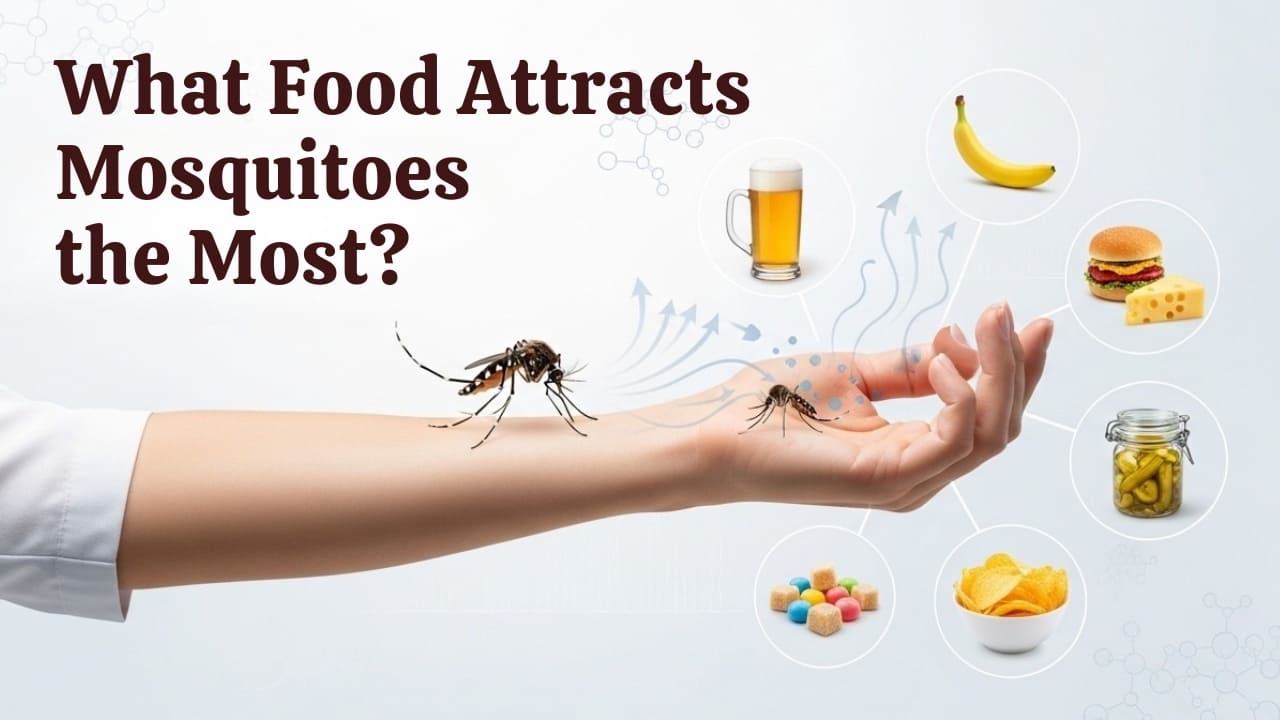
Most people know that mosquitoes are drawn to carbon dioxide and body heat. Fewer people think about what they had for dinner. But diet influences your body chemistry in ways that are measurable — and those changes affect how attractive you are to mosquitoes, sometimes significantly.
The relationship between food and mosquito attraction isn’t simple or linear. Eating a banana doesn’t guarantee you’ll get bitten. Drinking a beer at an outdoor barbecue genuinely does increase your risk — and there’s controlled research behind that claim. Understanding which foods matter and why helps you make smarter decisions about what you eat before spending time outdoors.
This guide covers what food attracts mosquitoes the most, which claims are backed by real science, and which ones are myths that keep circulating despite no solid evidence.

What You Eat Makes Mosquitoes More Likely to Bite You: Scientific Explanation
Mosquitoes find hosts through a sequential detection process — carbon dioxide from a distance, body heat at close range, and skin-derived chemical compounds for final host selection. Diet can influence all three of these signals, though the mechanisms and magnitudes vary.
When you eat, your body metabolizes food into energy. That process produces CO₂ as a byproduct, generates heat, and releases byproducts through sweat and breath. What you eat influences which compounds end up in your sweat, how much lactic acid your body produces, and how your skin smells to insects operating with highly sensitive chemoreceptors.
Certain foods introduce volatile organic compounds (VOCs) that are excreted through sweat and breath — compounds that mosquitoes either find attractive or repellent depending on their chemical profile. Others trigger metabolic responses that temporarily raise body temperature, alter sweat composition, or produce fermentation byproducts that resemble the human odor compounds mosquitoes are programmed to seek.
The effect of diet is real, but it’s usually a modifying factor — it increases or decreases your attractiveness relative to your baseline, rather than making you suddenly irresistible or completely invisible to mosquitoes.
Foods That May Increase Mosquito Attraction Without You Knowing
Some foods affect mosquito attraction in ways that are well-documented and reproducible. Others have a plausible biological mechanism but limited direct research. And some are essentially myths. What follows covers all three categories clearly — with the evidence level stated for each.
Table 1: Food Categories and Their Effect on Mosquito Attraction
| Food / Drink | Evidence Strength | Primary Mechanism | Effect on Mosquito Attraction |
|---|---|---|---|
| Alcohol (beer, wine) | Strong — multiple controlled studies | Ethanol in sweat; elevated skin temp; CO₂ increase | Significantly increases attraction — one of the highest-impact dietary factors |
| High-sugar foods / soda | Moderate — indirect mechanism | Elevated blood glucose alters sweat chemistry; metabolic CO₂ spike | Moderately increases attraction through skin chemistry changes |
| Fermented foods (cheese, pickles) | Moderate — Limburger cheese well studied | Microbial volatile compounds similar to human foot odor profile | May increase attraction — fermentation byproducts mimic attractive human scent compounds |
| High-sodium foods | Limited — plausible mechanism, minimal direct study | Increased lactic acid in sweat; altered electrolyte balance | Possibly increases attraction — indirect evidence only |
| Spicy foods (garlic, onion, chili) | Weak to moderate — mixed findings | Volatile sulfur compounds excreted through sweat and breath | Effect unclear — may increase or decrease attraction depending on concentration |
| Bananas | Weak — mostly anecdotal | Isoamyl acetate (banana scent compound) theorized as attractant | No strong evidence — widely repeated but not scientifically confirmed |
| High-cholesterol foods | Moderate — limited direct studies | Elevated skin surface cholesterol and steroid metabolites alter odor profile | May increase attraction — skin chemistry changes affect mosquito host preference |
| High-potassium foods | Weak — indirect evidence only | Potassium affects sweat composition and lactic acid production | Possible minor effect — insufficient evidence for strong conclusions |
| Bland / neutral foods | Weak — theoretical benefit only | Reduced volatile compound output from skin and breath | May slightly reduce attraction — evidence is not strong enough for dietary recommendation |
Evidence ratings based on available peer-reviewed entomology and nutrition research. ‘Strong’ = multiple controlled studies; ‘Moderate’ = limited studies with plausible mechanism; ‘Weak’ = anecdotal or theoretical only. Sources: Journal of Chemical Ecology; Current Biology; PLOS ONE; Journal of the American Mosquito Control Association.
1. Garlic: Mosquito Attractant or Repellent
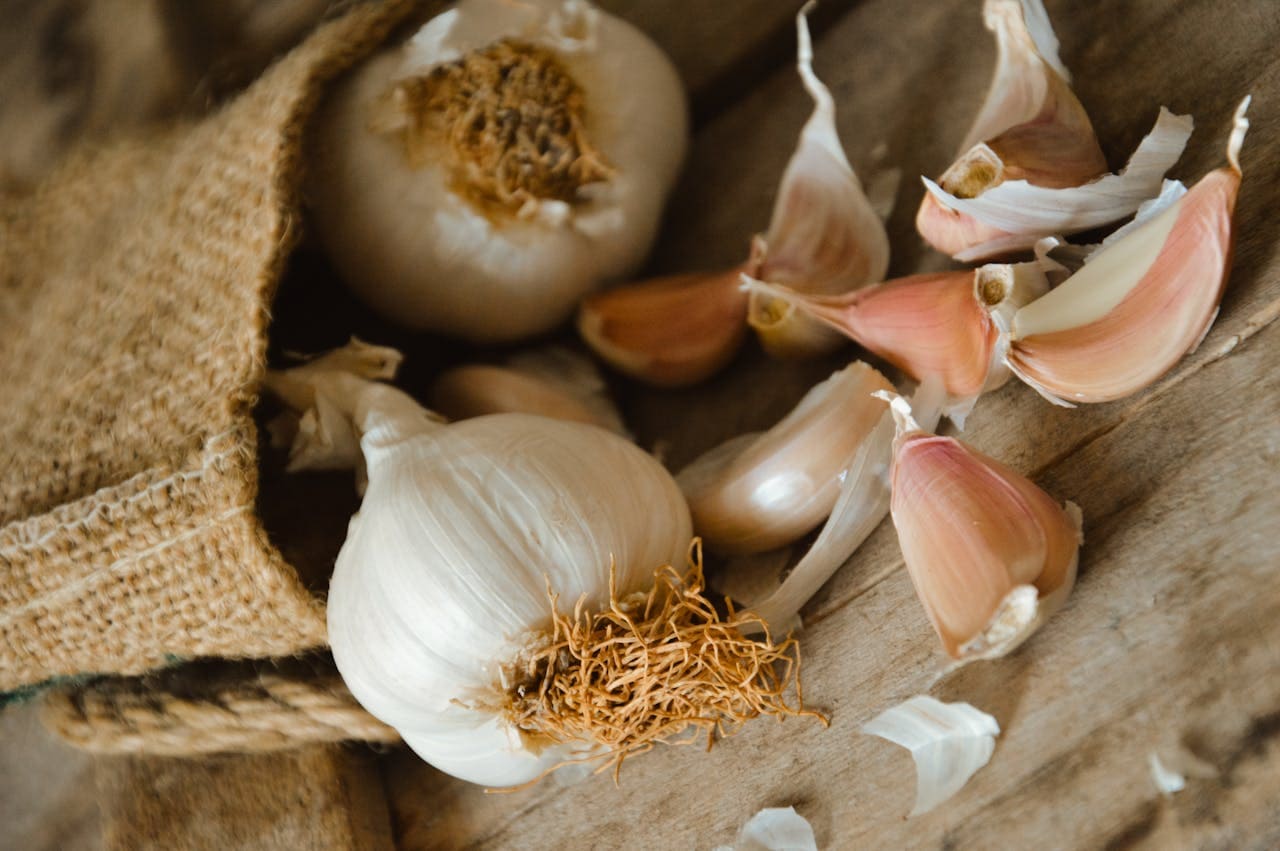
Garlic is frequently cited as a natural mosquito repellent — the logic being that the sulfur compounds you absorb are excreted through sweat, creating an odor profile that mosquitoes find repellent. The reality is more complicated and considerably less clear-cut.
Allicin and diallyl disulfide — the primary volatile compounds in garlic — are indeed detectable in sweat after consumption. Whether this actually repels mosquitoes in meaningful quantities at normal dietary intake levels is a different question. At very high concentrations applied topically, garlic-derived compounds show some repellent activity.
Evidence level: Weak to moderate protection. Topical garlic extract shows some data; dietary garlic does not convincingly protect against mosquito bites.
2. Onions and Body Odor Changes
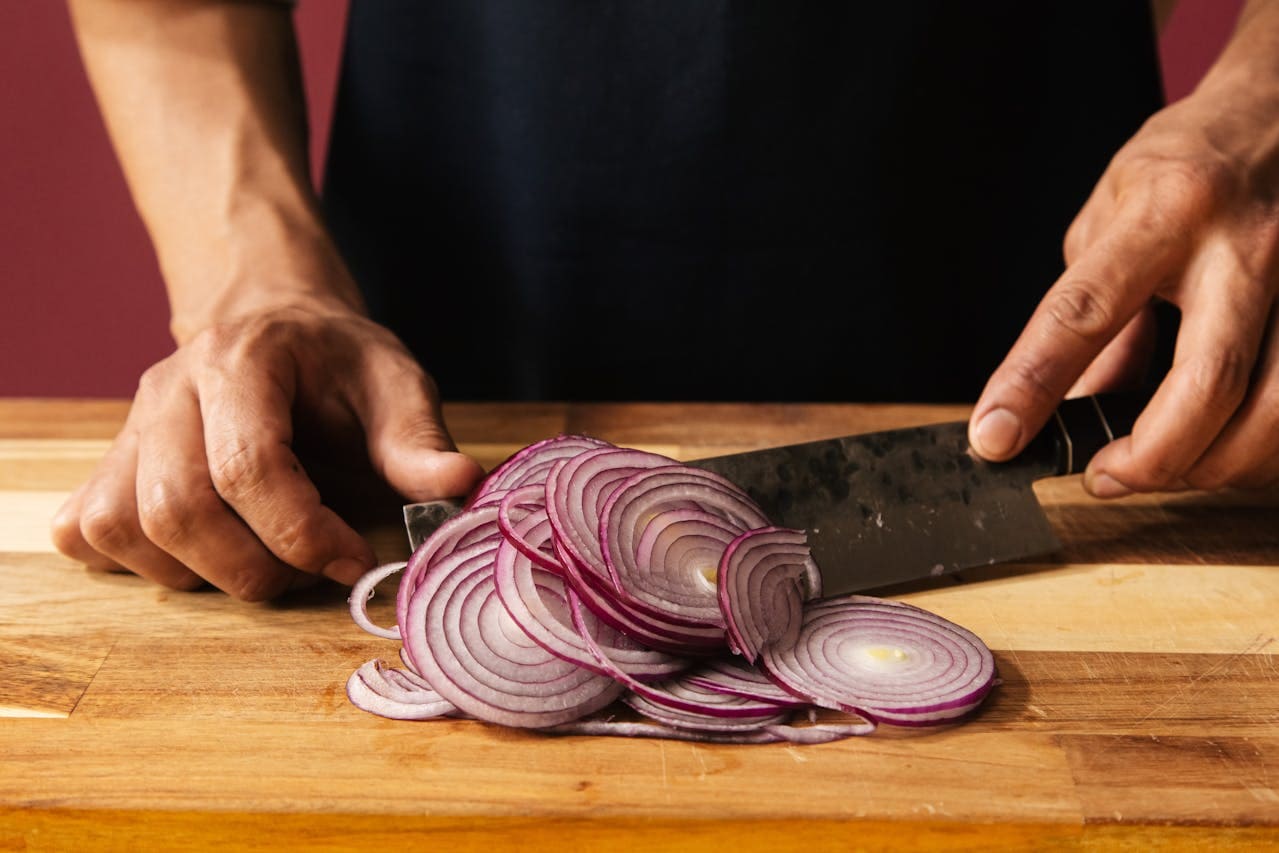
Onions, like garlic, contain sulfur compounds that are metabolized and excreted through skin and breath. The VOC profile shifts detectably after consuming onions — particularly raw onions, where the compounds are more potent.
Whether this change attracts or repels mosquitoes specifically hasn’t been studied in controlled trials. The altered odor profile is real; the direction of the mosquito response to that change isn’t established. Some researchers speculate that pungent sulfur VOCs may mask the more attractive human scent compounds mosquitoes seek. Others suggest the unusual chemical signature simply doesn’t fit their detection pattern well enough to trigger landing.
Evidence level: Weak. The biological mechanism is plausible but no reliable studies confirm the effect on mosquito behavior.
3. Beer and Alcohol Increase Mosquito Bites
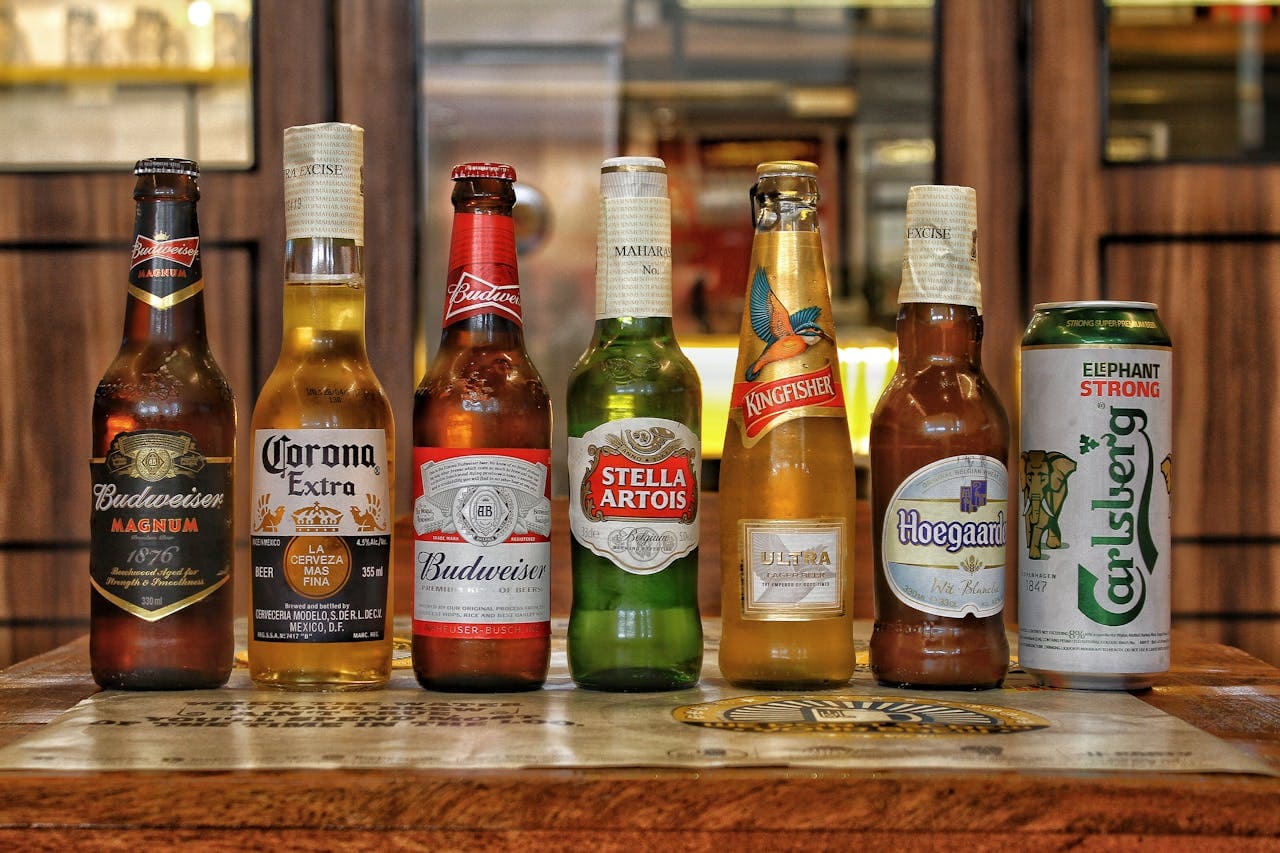
This is the strongest dietary association in the literature. A controlled study published in the Journal of the American Mosquito Control Association found that drinking just one 330ml beer significantly increased the proportion of Anopheles gambiae mosquitoes attempting to land on participants compared to the pre-beer baseline.
The mechanism is likely multi-factorial. Ethanol is excreted through sweat, altering the skin’s chemical profile. Alcohol raises skin surface temperature. It also slightly increases exhaled CO₂. And it raises blood flow to the skin surface, making you a warmer, more chemically complex target. Any one of these effects would be modest. Together they create a measurable attraction signal increase.
Evidence level: Strong. One of the few dietary factors with direct controlled study data. The effect is real and reproducible.
4. Wine and Mosquito Attraction

Wine shares the core mechanism with beer — ethanol absorption, temperature elevation, sweat composition changes. Red wine adds tannins and a more complex VOC profile. Whether wine produces a greater or lesser attraction effect than beer hasn’t been directly compared in studies.
What can be said with reasonable confidence is that any alcoholic beverage raises mosquito attraction through the same core pathway. The specific drink matters less than the ethanol content and the metabolic response it triggers.
Evidence level: Moderate — extrapolated from the stronger beer data. Direct wine-specific studies are limited.
5. Banana and Mosquito Attraction
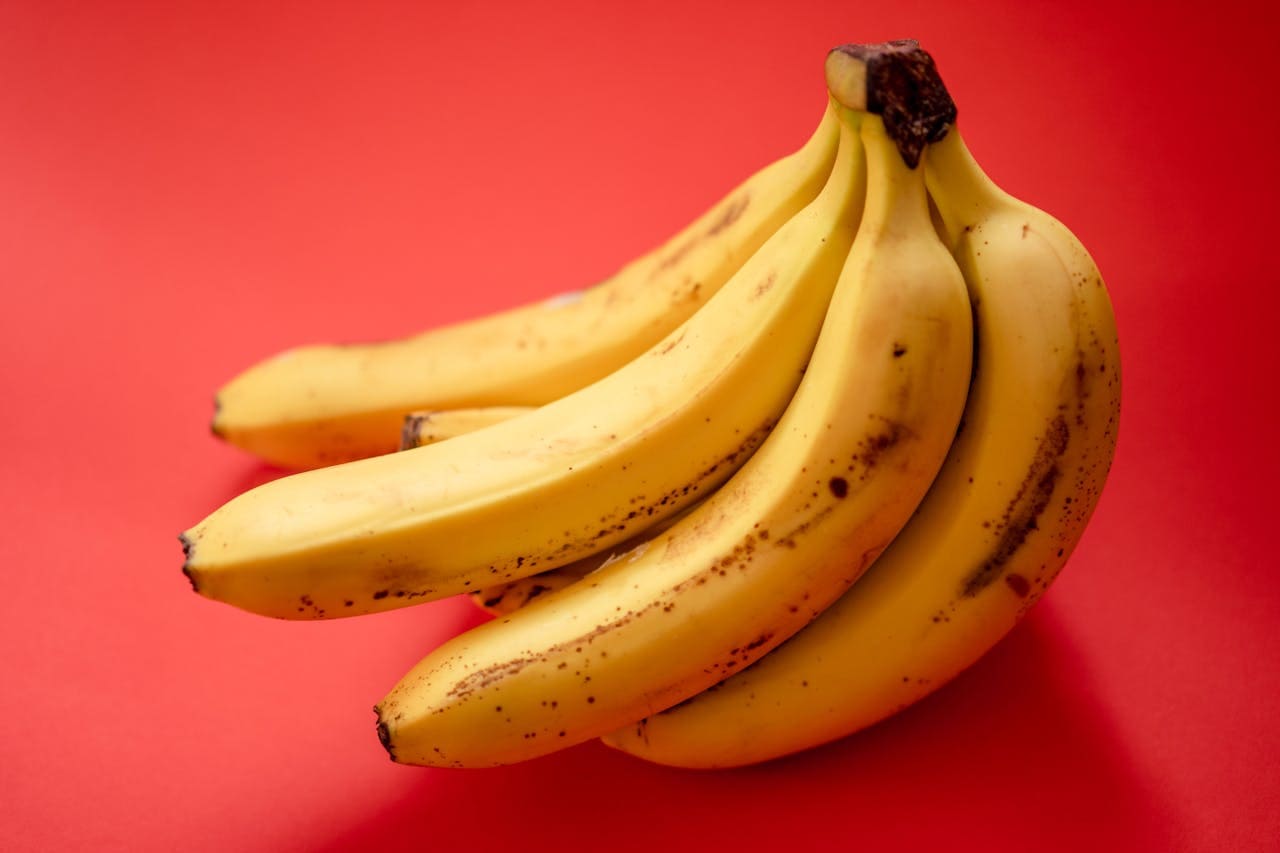
The banana claim is everywhere. The theory is that isoamyl acetate — the compound responsible for banana’s distinctive scent — is either present in skin after eating bananas or somehow signals mosquitoes. It’s a pervasive belief and it’s not well-supported.
No controlled study has demonstrated that eating bananas increases mosquito attraction. Isoamyl acetate is present in banana flesh but there’s no established mechanism by which dietary consumption would result in meaningful skin-surface levels of this compound. The claim appears to have spread from misinterpretation of studies on mosquito attractants, where isoamyl acetate was one compound among many tested in laboratory odor assays — not a dietary study.
Evidence level: Weak. The banana-mosquito connection is largely anecdotal and has not been confirmed in controlled research.
6. Limburger Cheese and Human Scent Similarity
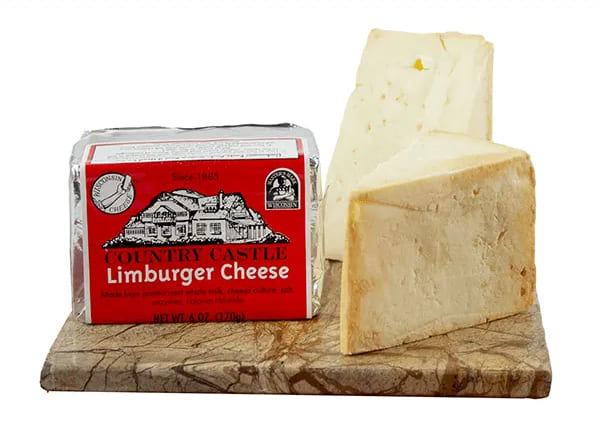
This one is genuinely interesting and better-supported than most food-based claims. Limburger cheese is ripened using Brevibacterium linens — the same bacterial genus found on human feet. Research published in The Lancet found that the odor profile of Limburger cheese closely resembles human foot odor, which is among the most attractive scent profiles for certain mosquito species including Anopheles gambiae.
Whether eating Limburger changes your skin chemistry enough to increase attraction hasn’t been studied directly. But the similarity between its microbial volatile compounds and human odor attractants is documented. It’s the most scientifically interesting food-mosquito connection on the list — just not one most people need to worry about practically.
Evidence level: Moderate — the odor similarity is documented; the dietary intake effect on human attraction is not directly studied.
7. Other Fermented Foods and Mosquito Attraction
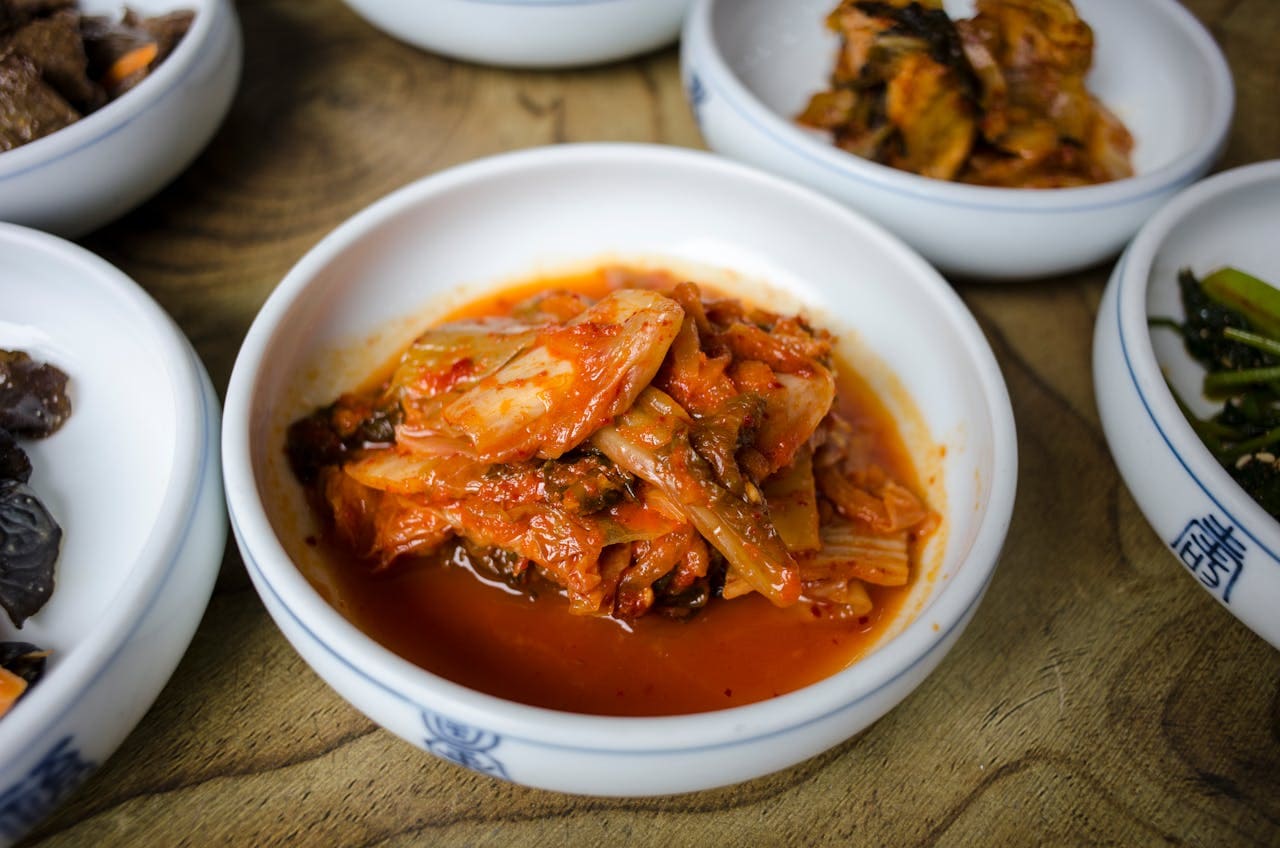
Fermented foods — kimchi, sauerkraut, miso, certain aged cheeses, kombucha — all produce microbial volatile compounds during fermentation. Some of these compounds overlap with the odor profiles that attract mosquitoes, particularly lactic acid bacteria byproducts.
The plausible mechanism is that consuming fermented foods introduces bacterial metabolites that are excreted through sweat, temporarily altering skin chemistry. The effect would likely be subtle and short-lived. No direct studies have measured mosquito attraction rates after consuming fermented foods.
Evidence level: Weak to moderate — mechanistically plausible, not directly studied.
8. Tangy Ketchup and Acidic Sauces
Acidic condiments like ketchup, vinegar-based sauces, and hot sauces introduce acetic acid and other organic acids into the diet. Acetic acid has been identified as a mosquito attractant in laboratory odor assays. Whether dietary consumption results in skin-surface concentrations sufficient to affect mosquito behavior is uncertain.
The connection is mechanistically plausible — acetic acid derivatives do appear in sweat — but the dietary dose-response relationship hasn’t been studied. This is one of the more theoretical entries on the list.
Evidence level: Weak. Acetic acid is a known attractant in isolation; dietary pathway to skin surface is not established.
9. Pickles and Fermented Foods
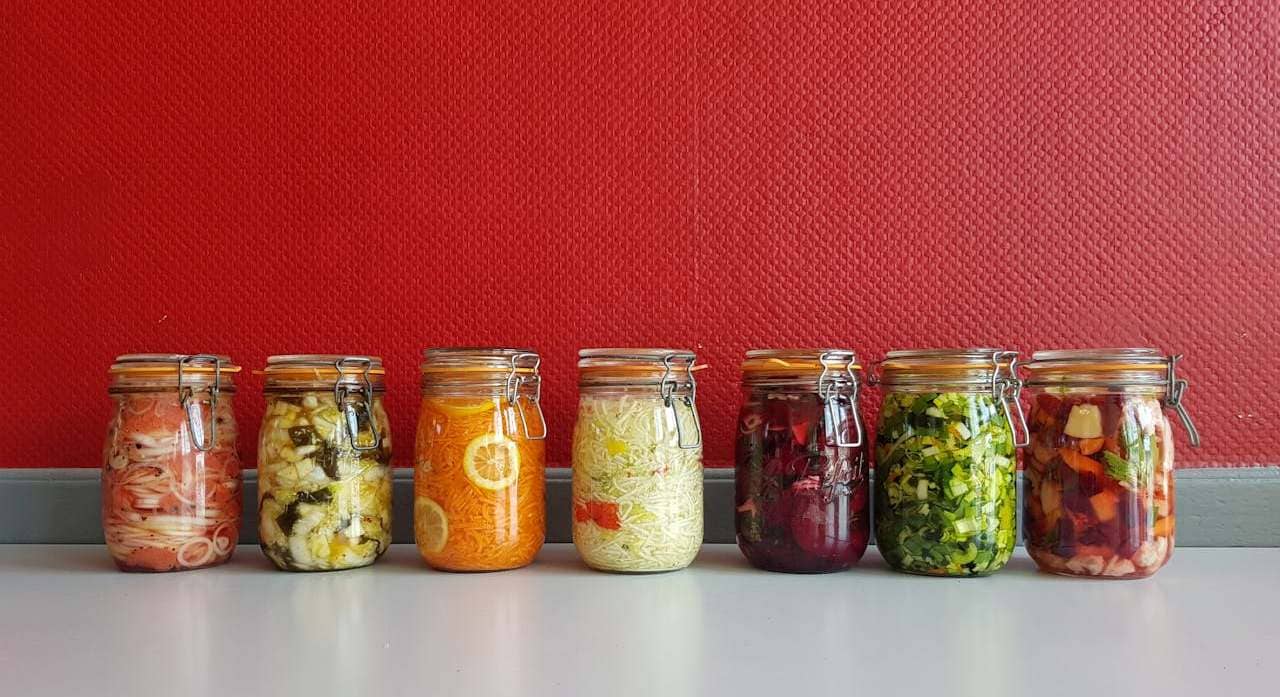
Pickles and other brine-preserved foods introduce high sodium, acetic acid, and microbial byproducts. The sodium content increases lactic acid production in sweat — a documented mosquito attractant. The fermentation compounds follow the same logic as other fermented foods discussed above.
The sodium effect on sweat composition is the more credible pathway here. High-sodium meals consistently affect sweat electrolyte profiles and lactic acid concentration — and lactic acid has robust evidence as a close-range mosquito attractant.
Evidence level: Weak to moderate — sodium-lactic acid pathway has supporting data; the pickle-specific effect has not been isolated.
10. Salty Chips and Snacks (High Sodium Foods)
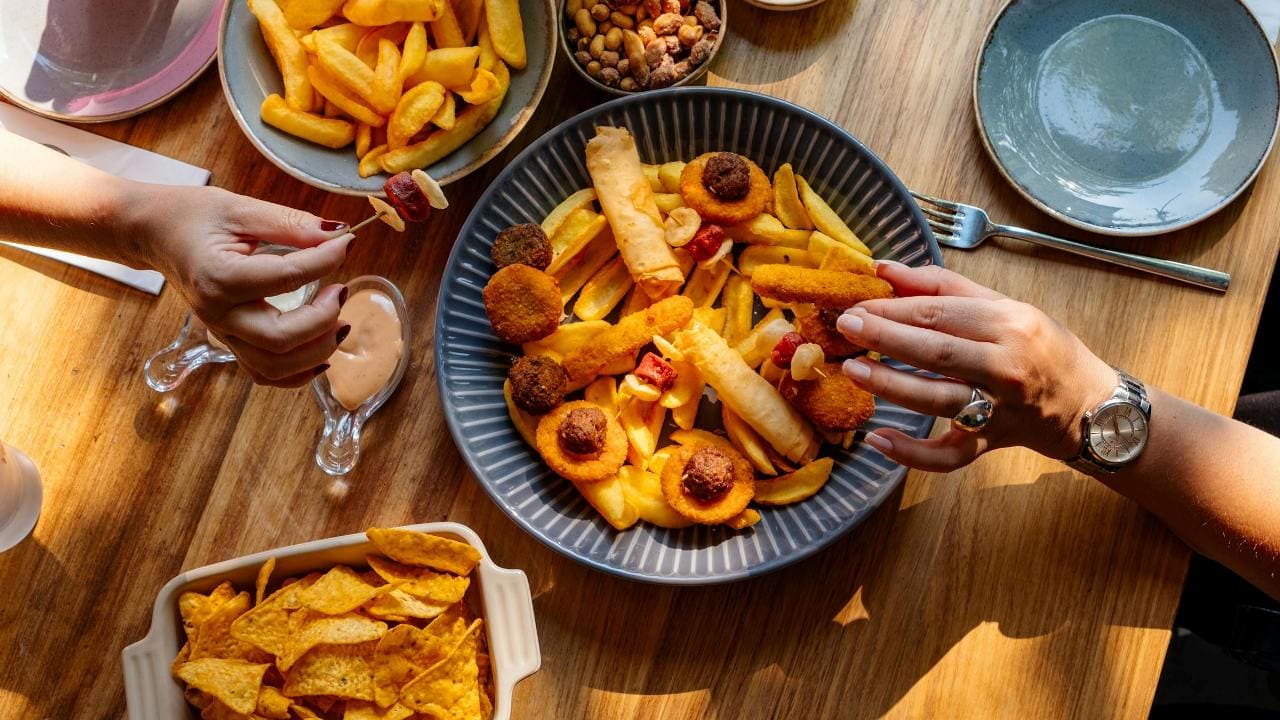
High sodium intake directly affects sweat composition. Sodium raises lactic acid concentration in sweat, and lactic acid is one of the best-documented chemical attractants for mosquitoes at close range. Research in the Journal of Chemical Ecology has confirmed that increasing lactic acid concentration on skin surface significantly increases mosquito landing rates.
This is one of the more evidence-backed dietary pathways. The chain from high-sodium food to elevated sweat lactic acid to increased mosquito attraction is mechanistically coherent and supported at each step by independent research — even if the whole chain hasn’t been tested as a single dietary intervention.
Evidence level: Moderate — individual steps in the mechanism are well-supported; direct study of sodium intake on mosquito bites is limited.
11. Sugar and Sweets (Candy, Desserts)

High sugar intake temporarily elevates blood glucose. Elevated blood glucose alters sweat composition, increases metabolic CO₂ production slightly, and can raise skin surface temperature through the thermic effect of food.
Some research suggests that individuals with consistently high blood sugar — such as those with poorly controlled Type 2 diabetes — may have altered VOC profiles that affect mosquito attraction. Whether a single sugary meal produces a meaningful effect is less certain. The effect, if real, is likely modest and temporary.
Evidence level: Moderate for chronic high sugar intake; weak for single-meal effects.
12. High Cholesterol Foods

Cholesterol and its metabolic byproducts appear on the skin surface as part of the skin’s natural lipid layer. Research has found that specific cholesterol breakdown products — particularly certain steroids and their oxidized derivatives — are present in the volatile compound profile detected by mosquitoes during host selection.
A diet consistently high in saturated fats and cholesterol-rich foods may alter this surface lipid profile in ways that influence mosquito host preference. The research is preliminary, but the mechanism has biological credibility. Mosquitoes don’t just respond to a single compound — they integrate a chemical fingerprint, and cholesterol derivatives are part of that fingerprint.
Evidence level: Moderate — limited but credible studies; larger dietary context matters more than individual meals.
13. Bland Foods — Do They Reduce Mosquito Attraction?
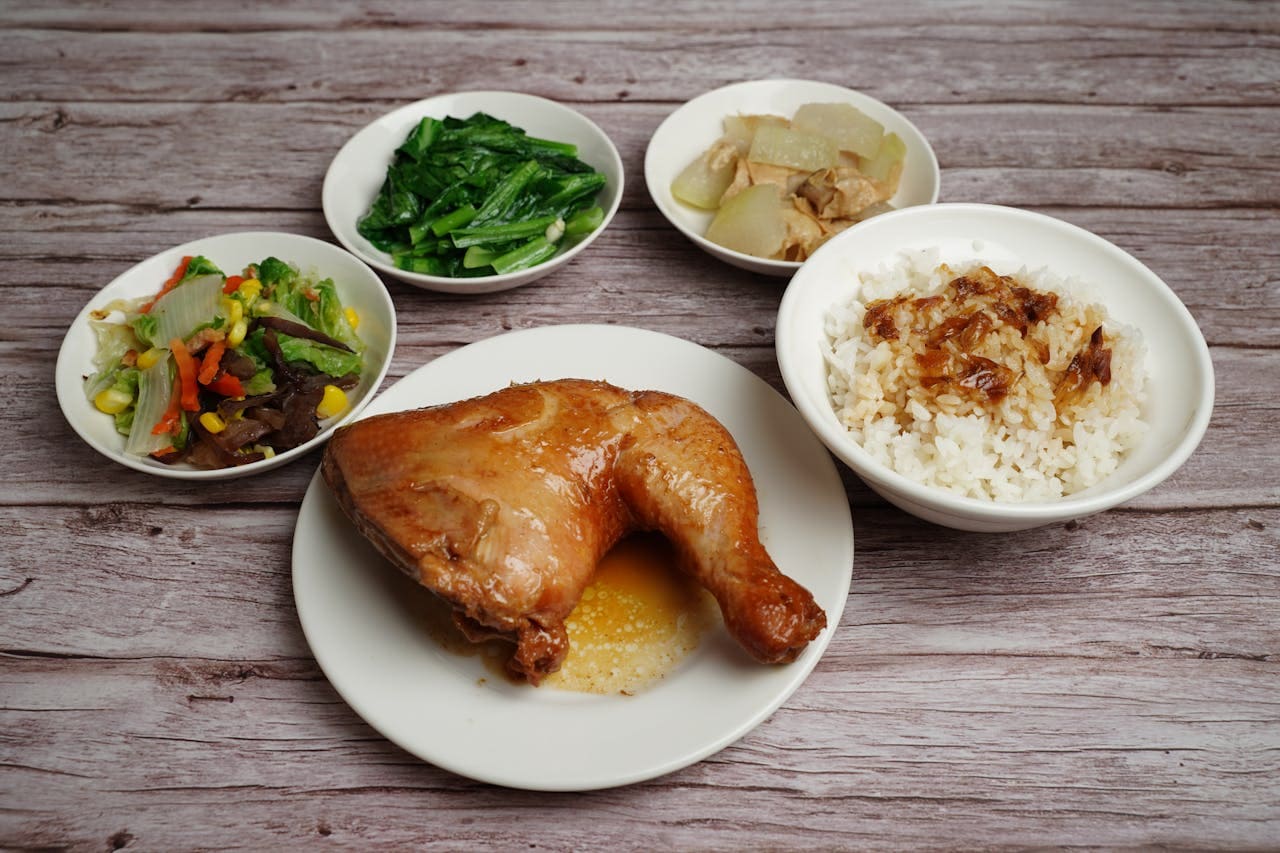
The inverse logic is appealing: if pungent, fermented, or alcoholic foods increase attraction, do plain, neutral foods reduce it? Theoretically possible — a diet low in volatile-producing foods would result in a less chemically complex skin odor profile, potentially making you less detectable.
In practice, this hasn’t been studied directly. Your skin odor is determined by far more than diet — genetics, skin bacteria, hygiene, and hormonal factors all contribute significantly. The contribution of dietary choices is real but modest. Eating bland food is unlikely to dramatically reduce your attractiveness to mosquitoes, though it probably won’t increase it either.
Evidence level: Weak — theoretical benefit, no direct evidence.
14. High Potassium Foods and Mosquito Behavior
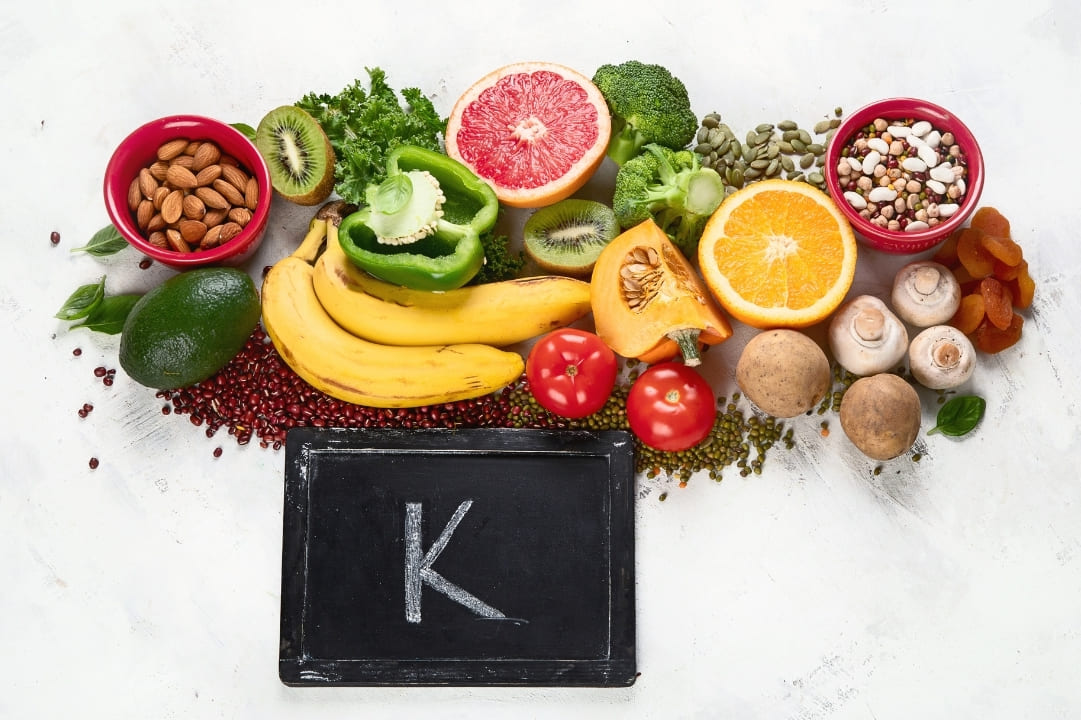
Potassium plays a role in muscle function and affects how cells regulate fluid and electrolyte balance. High potassium intake influences sweat composition, and some research has noted that potassium-related compounds are present in the sweat chemical profile that mosquitoes respond to.
The specific connection between potassium-rich foods — bananas, avocados, sweet potatoes — and mosquito attraction has not been directly studied. The mechanism is plausible but the effect size, if any, would likely be small relative to other factors.
Evidence level: Weak — indirect evidence only.
15. Certain Herbs and Spices — Impact on Body Odor

This category cuts both ways. Some herbs and spices contain compounds that are excreted through sweat and breath and may genuinely affect mosquito response — in either direction.
Lemongrass, basil, and mint contain compounds (citral, linalool, menthol) that have documented mild repellent properties in topical applications. Whether dietary consumption produces sufficient skin-surface concentrations to matter is unclear. Hot spices like chili raise body temperature temporarily through capsaicin’s thermogenic effect — which would modestly increase heat signature.
Cinnamon contains cinnamaldehyde, which has shown mosquito-repellent and larvicidal properties in laboratory studies at high concentrations. Dietary amounts almost certainly don’t approach those concentrations.
Evidence level: Weak for dietary effect; moderate for topical application of the same compounds.
16. Dairy Products and Ice Cream
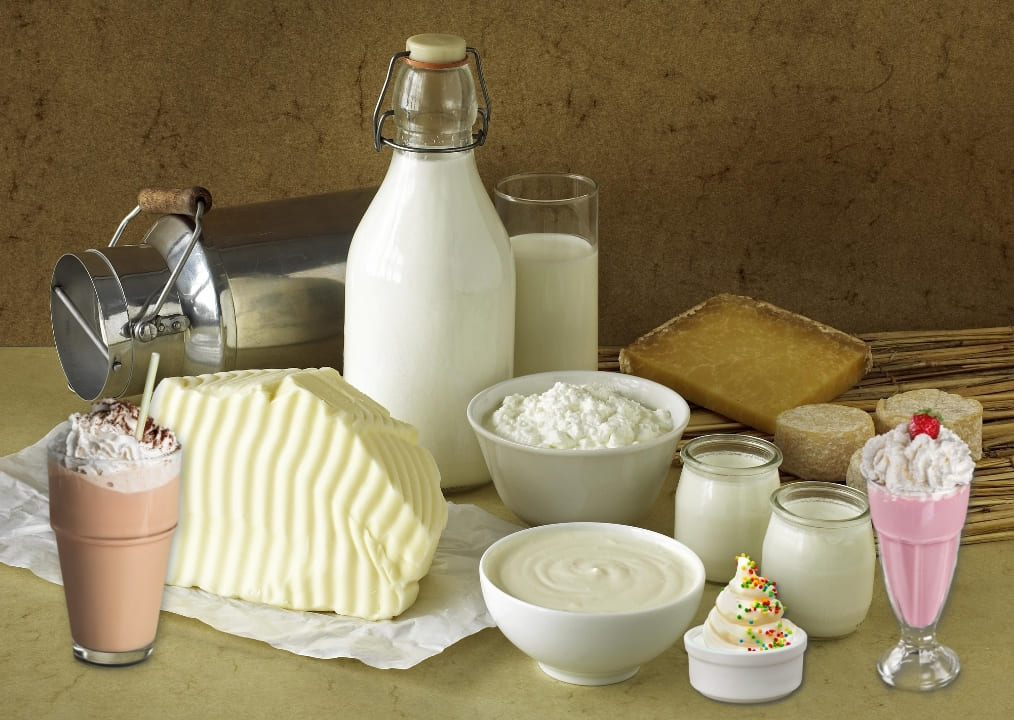
Dairy is metabolized into various compounds including lactic acid, a direct mosquito attractant. High-fat dairy products also influence the skin lipid profile, which is one component of the chemical fingerprint mosquitoes use for host selection.
The effect is likely minor for most people. Individuals who are lactose intolerant and produce significant fermentation-related compounds from undigested lactose may have a different profile, though this hasn’t been studied in the context of mosquito attraction.
Evidence level: Weak — indirect mechanism; no direct studies on dairy consumption and mosquito bites.
17. Soda and Sugary Drinks

Carbonated sugary drinks combine high sugar content with CO₂ — though the ingested CO₂ from soda is absorbed and expelled primarily through belching rather than through respiratory CO₂ output, so the contribution to exhaled CO₂ is minimal.
The sugar component follows the same logic as other high-sugar foods — temporary blood glucose elevation, potential sweat chemistry changes. The caffeine in many sodas is a mild stimulant that can slightly raise metabolic rate and body temperature.
Evidence level: Weak — sugar mechanism applies; carbonation is not a meaningful CO₂ attractant pathway.
18. Milk and Its Effect on Mosquito Attraction

Plain milk is relatively neutral in terms of mosquito-relevant metabolic effects. It contains lactose (a sugar), fat, and protein, all of which are metabolized normally. The lactic acid connection applies here as with other dairy — it’s a metabolic byproduct of lactose digestion.
No research has specifically examined milk consumption and mosquito bite rates. It’s a relatively low-risk food choice in this context compared to alcohol, high-sugar options, or fermented foods.
Evidence level: Very weak — no meaningful direct or indirect evidence.
Fruits That Attract Mosquitoes — What You Should Know
Fruit-related mosquito attraction claims are common and frequently overstated. The core mechanisms worth taking seriously involve sugar content, fermentation, and volatile scent compounds — not the fruit itself as a magic trigger.
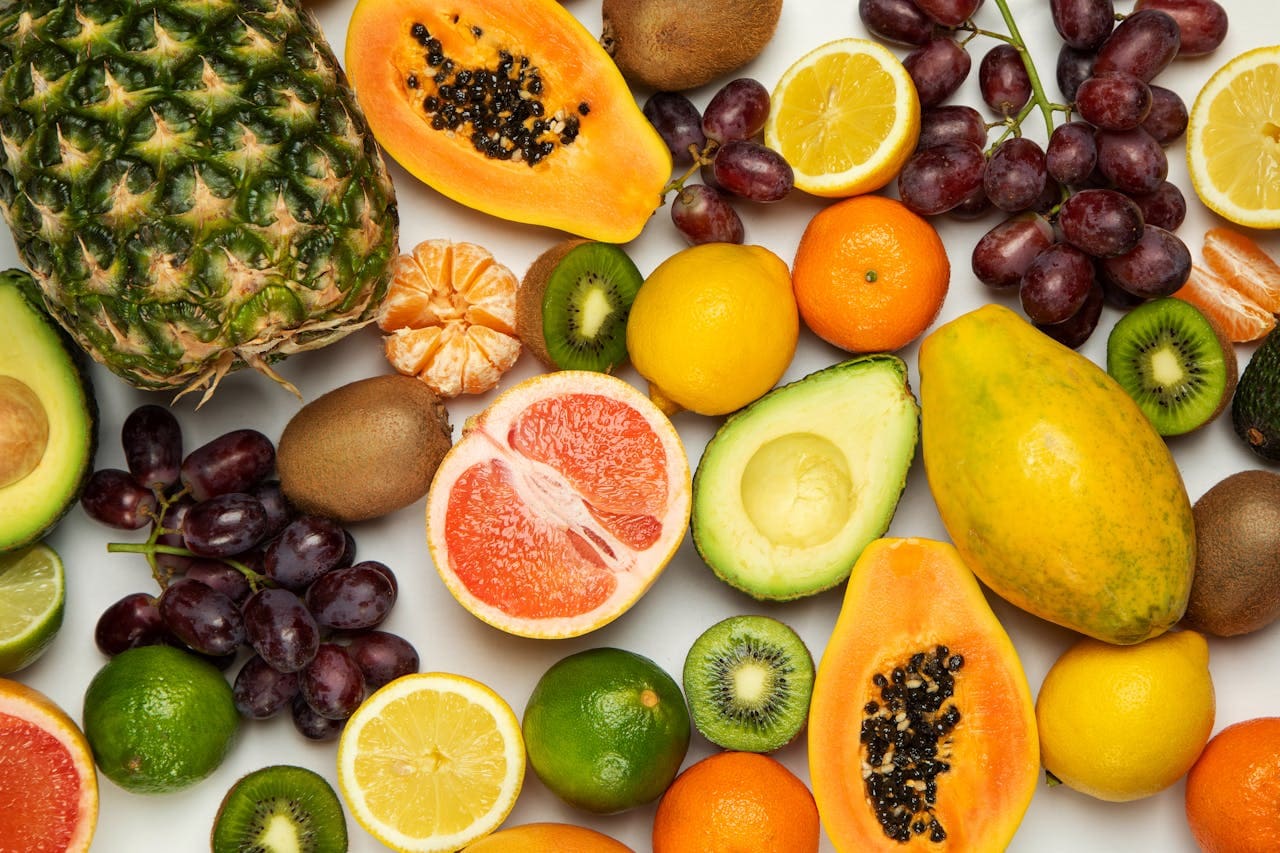
Table 2: Fruits and Mosquito Attraction — Evidence and Mechanism Summary
| Fruit | Relevant Compounds | Theoretical Attraction Effect | Evidence Level |
|---|---|---|---|
| Banana | Isoamyl acetate, sugars | Isoamyl acetate theorized as attractant; skin absorption of scent compounds possible | Weak — anecdotal; no controlled studies confirm banana increases bites |
| Mango | High sugar content, terpenes | High glycemic load may temporarily alter sweat chemistry | Very weak — no direct studies; plausible sugar mechanism only |
| Citrus fruits | Limonene, citric acid, vitamin C | Some compounds in citrus are actually mild repellents; may slightly reduce attraction | Moderate — limonene has documented minor repellent properties |
| Fermented fruit / overripe fruit | Ethanol, acetic acid, CO₂ off-gassing | Fermentation compounds closely resemble volatiles that attract mosquitoes | Moderate — consistent with fermentation attraction data from broader studies |
| Watermelon / high-water fruits | High sugar, high water content | Increased hydration may affect sweat volume; sugar spike possible | Very weak — indirect reasoning only |
Attraction effects listed are theoretical based on compound chemistry and indirect evidence unless otherwise stated. No fruit has been proven in controlled human trials to significantly increase mosquito bites through dietary consumption.
The most credible concern within the fruit category is overripe or fermenting fruit. As fruit ferments, it produces ethanol, acetic acid, and CO₂ — the same compounds associated with alcohol’s attraction effect. Handling or consuming significantly overripe fruit may have a modest effect similar to light alcohol consumption.
Citrus fruits may actually work slightly in your favor. Limonene and other citrus-derived terpenes have documented mild repellent properties. This doesn’t mean eating oranges protects you — the concentrations would be far too low — but citrus is unlikely to increase your attractiveness.
What Food Attracts Mosquitoes the Most to Humans? (Final Answer)
Based on the available evidence, the foods with the highest demonstrated impact on mosquito attraction are:
- Alcohol (particularly beer) — the strongest dietary effect with direct controlled study data. Multiple mechanisms: ethanol in sweat, elevated skin temperature, increased CO₂, altered blood flow to skin surface.
- High-sodium foods — through elevated sweat lactic acid, a well-documented close-range attractant. The mechanism is well-supported even if the dietary intervention hasn’t been directly trialed.
- High-sugar foods and drinks — through blood glucose effects on sweat chemistry and minor metabolic CO₂ changes. Effect is less acute than alcohol but plausible at consistently high intake levels.
- Fermented foods — through microbial volatile compounds that overlap with attractive human odor profiles. Most credible for foods with Brevibacterium-type fermentation (certain aged cheeses).
Everything else on the list — bananas, dairy, bland foods, milk, potassium-rich foods — has weak or theoretical evidence that doesn’t support strong dietary recommendations either way.
How to Avoid Mosquito Bites Through Food Choices
Given the evidence, a few dietary adjustments are worth making before extended outdoor exposure — particularly in mosquito-heavy environments or during travel to disease-risk regions.
- Avoid alcohol before outdoor evening activity — the clearest, most evidence-backed dietary recommendation. The effect is temporary; timing matters.
- Reduce high-sodium snacks before outdoor exposure — chips, processed snacks, salty condiments. Lower sodium intake reduces sweat lactic acid.
- Be cautious with heavily fermented foods — aged cheeses, strong kimchi, vinegar-heavy dishes before outdoor time.
- Consider citrus over high-sugar sweet options — not because citrus protects you, but because it’s less likely to work against you.
- Shower after high-protein, high-fat, or high-sodium meals if heading outdoors — removes surface VOCs before they fully accumulate.
None of these changes will make you immune to mosquito bites. But combined with repellent use, appropriate clothing, and avoiding peak mosquito hours, dietary awareness adds a small but real layer of protection.
Scientific Factors That Matter More Than Food
Diet is worth thinking about — but it’s worth keeping in perspective. Several other factors have considerably stronger and more consistent effects on mosquito attraction than what you eat.
Table 3: Mosquito Attraction Factors — Diet vs Non-Diet Comparison
| Attraction Factor | Relative Impact | Diet Connection | Controllable? |
|---|---|---|---|
| CO₂ output | Very High | Diet affects CO₂ minimally — metabolism and body size dominate | Partially — avoid heavy exercise during peak hours; use repellent |
| Body size / mass | High | Long-term diet affects body size; short-term meals have no direct effect | No — fixed at any given point in time |
| Skin bacteria / microbiome | High | Diet influences gut and skin microbiome over time — indirect link | Partially — hygiene, probiotic foods, and diet quality influence microbiome |
| Genetics / blood type | High | No dietary connection — fixed genetic trait | No — cannot be changed |
| Body temperature | Moderate | Spicy foods cause temporary temperature rise; alcohol raises skin temp | Partially — clothing and activity management helps |
| Lactic acid in sweat | Moderate | High-sodium and high-sugar diets influence sweat lactic acid content | Partially — diet modification has modest effect; exercise is the bigger driver |
| Dietary choices (alcohol, sugar, fermented) | Low to Moderate | Direct — alters skin chemistry, sweat composition, and CO₂ slightly | Yes — most actionable single controllable factor in this list |
Relative impact ratings are comparative estimates based on available research. Individual variation is significant across all factors. Sources: CDC; WHO; Journal of Medical Entomology; PLOS ONE.
- CO₂ output: The primary driver of mosquito attraction is carbon dioxide from breathing. Body size and metabolic rate — not diet — are the dominant determinants of CO₂ output. A single meal changes nothing meaningful here.
- Body size and mass is one of the most consistent predictors of mosquito attraction in the research literature — individuals with larger bodies exhale more CO₂, radiate more heat, and present more skin surface area. Short-term dietary choices have no effect on this. It’s a fixed variable at any given point in time, and no meal changes it.
- Genetics and blood type: Type O blood is associated with higher mosquito attraction in multiple studies. This has nothing to do with diet and cannot be changed. Genetic factors also determine skin microbiome composition — probably the most important single variable in individual attractiveness.
- Skin bacteria: The specific bacterial communities on your skin determine your VOC odor profile far more than what you ate for dinner. These communities are influenced by genetics, hygiene, and long-term health status — not meal-to-meal choices.
- Body temperature and activity: Exercise raises body temperature and lactic acid far more dramatically than any food. A post-run outdoor walk is a bigger mosquito magnet than any dietary choice you made that day.
- Lactic acid in sweat is a well-documented close-range mosquito attractant confirmed in multiple peer-reviewed studies. Diet does influence it — high-sodium and high-sugar intake raise sweat lactic acid concentrations — but exercise is a far bigger driver than food. A 20-minute run produces more lactic acid in sweat than a full day of salty snacking.
- Your own dietary choices — particularly alcohol, high-sugar foods, and fermented items — are actually the most actionable factor on this entire list. Not the most impactful, but the most controllable. Genetics, body size, and skin bacteria can’t be changed before an outdoor evening. What you eat and drink that afternoon can be. That’s why diet is worth thinking about even though it ranks lower than other factors.
consumed → Metabolized →
CO₂ + heat → Exhaled /
radiated → Detected
at 50m
consumed → Alters sweat
chemistry → Lactic acid /
VOCs on skin → Close-range
detection
consumed → Raises skin
temperature → Infrared
signature ↑ → Heat detected
at 1–2m
📰 Must Read,
✔️ What Foods can you Eat to Repel Mosquitoes?
✔️ Can Changing Your Soap, Bathing Habits or Hygiene Routine Reduce Mosquito Bites?
Conclusion
The question of what food attracts mosquitoes the most has a clearer answer than most people expect — and somewhat complicated than popular belief suggests. Alcohol, high-sodium foods, and high-sugar intake are the dietary categories with the best evidence for increasing mosquito attraction. Fermented foods follow with plausible but less direct support.
Most other food-based claims — bananas, bland foods, milk, potassium — sit in weak-evidence territory. They may have small effects, but the science isn’t there to support firm recommendations either way.
What the evidence firmly supports is that diet is a secondary factor. Your genetics, body size, skin bacteria, and CO₂ output are more powerful predictors of how many bites you get than your dinner. Diet modifies an existing baseline — sometimes meaningfully, sometimes barely at all.
For people who spend significant time outdoors in mosquito-heavy environments, the practical takeaway is simple: skip the beer, go easy on the salty snacks, shower before heading out, and use a CDC-recommended repellent. That combination does more than any diet optimization ever will.
Frequently Asked Questions (FAQs)
Q. Does eating spicy food attract mosquitoes?
It’s complicated. Spicy food temporarily raises body temperature through capsaicin’s thermogenic effect — which does modestly increase your heat signature. On the other hand, the sulfur and volatile compounds from spices like chili and pepper are excreted through sweat in ways that may actually disrupt the odor profile mosquitoes find attractive. The net effect probably varies by individual. It hasn’t been studied cleanly enough to give a firm answer either way.
Q. Does eating garlic keep mosquitoes away?
The idea is popular and the mechanism is plausible — sulfur compounds from garlic are excreted through sweat and breath, potentially altering your odor profile. But the actual evidence for dietary garlic as a mosquito repellent is weak. The concentrations you’d need to produce a meaningful skin-surface effect are far beyond what a normal meal would deliver. Topical garlic extract at high concentrations shows some data. Eating garlic bread before a barbecue — not really.
Q. Does drinking milk attract mosquitoes?
Not in any meaningful way. Milk is a fairly neutral food metabolically — it contains lactose, fat, and protein, all of which are processed normally without producing the kinds of volatile compounds that significantly alter your scent profile. The lactic acid connection exists in theory, since lactose ferments during digestion, but the effect is minor compared to something like alcohol or a high-sodium meal. Milk is not a food worth avoiding before going outdoors.
Q. Does drinking soda attract mosquitoes?
Sugary sodas can modestly affect your attractiveness through blood glucose changes and minor sweat chemistry shifts. The carbonation itself is not a concern — the CO₂ from soda is expelled through belching, not through your respiratory system, so it doesn’t meaningfully add to your exhaled CO₂ plume. The sugar is the more relevant factor. A can of soda is unlikely to dramatically increase your bite count, but it’s not helping either.
Q. Does alcohol make you more attractive to mosquitoes?
Yes — and this is one of the few food-related claims with actual controlled study data behind it. A study found that drinking just one beer noticeably increased Anopheles mosquito landing attempts on participants. The reasons are layered: ethanol is excreted through sweat, skin temperature rises, and blood flow to the skin surface increases. It’s not a dramatic effect, but it’s real and reproducible. If you’re spending an evening outdoors in a mosquito-heavy area, timing your drinks matters.
Q. What foods should I avoid before going outdoors to reduce mosquito bites?
Alcohol is the clearest one to cut back on — the evidence is the strongest and the effect is the most immediate. Beyond that, heavy salty snacks, high-sugar drinks, and strongly fermented foods are worth moderating before extended outdoor time. None of these changes will protect you the way a good repellent does. But if you’re spending an evening somewhere with serious mosquito pressure — camping, outdoor dining in a humid area, anything like that — skipping the beer and the chips is a small, easy adjustment that tilts things slightly in your favor.
Q. Do caffeinated drinks increase mosquito bites?
Caffeine mildly raises metabolic rate, heart rate, and body temperature for a few hours after consumption — all of which are signals mosquitoes respond to. The effect is subtle though, and no study has directly isolated caffeine as a mosquito attractant the way alcohol has been studied. Black coffee is probably a non-issue. A large sugary caffeinated energy drink is a different story — the sugar matters more than the caffeine in that scenario.
Q. Can processed meats like sausages draw more mosquitoes?
Processed meats are high in sodium, preservatives, and saturated fat — all of which influence sweat composition to varying degrees. The sodium is the most relevant factor here, since high sodium intake raises lactic acid concentration in sweat, which is a documented mosquito attractant. The nitrates and preservatives in processed meats also alter gut bacterial activity, which over time can influence skin VOC output. A single hot dog probably doesn’t move the needle much. Regular heavy consumption of processed meats likely contributes to a more attractive sweat profile.
Q. Are beans and lentils mosquito attractants?
Not significantly. Legumes are high in protein and fiber, and during digestion they produce gas — including some sulfur-containing compounds in certain individuals. Whether those compounds reach the skin surface in concentrations meaningful to mosquitoes is unlikely. Beans and lentils don’t contain the high sodium, sugar, or fermentation-derived volatiles that are the more credible dietary attractants. They’re a nutritionally dense, low-risk choice in this context.
Q. Can dehydration from certain foods worsen mosquito bites?
Dehydration concentrates sweat — meaning the same amount of lactic acid, ammonia, and other compounds gets released in a smaller volume of sweat fluid, potentially creating a more potent chemical signal on the skin surface. High-sodium and high-caffeine foods both contribute to dehydration. So indirectly, yes — foods that dehydrate you may intensify the chemical concentration of your sweat, making you a slightly stronger signal at close range. Staying well hydrated dilutes those compounds.
Q. How does your gut microbiome influence mosquito preferences?
This is one of the more fascinating emerging areas in mosquito research. The gut microbiome influences which volatile organic compounds are produced during digestion and excreted through breath and skin. Different bacterial communities produce different metabolic byproducts — and some of those byproducts are the same compounds mosquitoes use to identify and select hosts. Diet shapes the gut microbiome over months and years, not meal by meal. So the long-term dietary pattern probably matters more than any single food choice when it comes to this particular pathway.
Q. How does meal timing impact mosquito attraction?
It matters more than most people realize. The metabolic response to eating — elevated blood glucose, increased CO₂ production, raised body temperature — peaks roughly 30 to 90 minutes after a meal, then gradually returns to baseline. Being outdoors during that post-meal window, particularly after a heavy or high-sugar meal, coincides with your body running slightly hotter and producing more volatile compounds. Timing outdoor activity before a large meal rather than immediately after is a small but logical adjustment. The effect is modest, but it’s real.
Editorial Team & Contributors

Raashid Ansari, Founder, Content Researcher & Author - MosquiTalk
Not an entomologist — just a genuinely curious writer who started researching mosquitoes and couldn't stop. What began as casual reading about repellents and bite prevention gradually turned into a deep ongoing dive into vector biology, disease epidemiology, animal health impacts, and the real science behind mosquito control. Everything published here is carefully edited, and written with one purpose: giving readers accurate, accessible information they can actually trust and use to protect themselves, their families, and their pets, birds and cattle.
Active across social platforms, regularly publishes, and genuinely invested in spreading mosquito awareness where it matters most. Because informed readers make better decisions — and better decisions save lives.