
Table of Contents
Introduction to Homemade Mosquito Traps
I remember the summer our backyard became completely unusable. Every evening around dusk, the mosquitoes came in waves — relentless, buzzing, biting. We tried sprays, citronella candles, those plug-in ultrasonic things. Nothing worked well enough. Then a colleague who studies insect behavior mentioned something almost embarrassingly simple: a homemade mosquito trap made from a plastic bottle, sugar, and yeast.
I was skeptical. But I built one that same weekend. By day three, I had dozens of mosquitoes trapped inside. That was the beginning of a deep dive into how and why this works — and I’ve been refining my technique ever since.
This guide walks you through exactly how to build a sugar and yeast mosquito trap — step by step, with the science behind it, placement tips, and honest answers about what it can and can’t do. No fluff. No filler. Just what actually works.
Why a Sugar and Yeast Mosquito Trap Actually Works
Mosquitoes locate their hosts using a combination of chemical signals — primarily carbon dioxide (CO₂), body heat, and volatile organic compounds from skin. CO₂ is the dominant long-range attractant. Female Aedes and Culex mosquitoes (the biting ones) follow CO₂ plumes from distances of up to 50 meters.
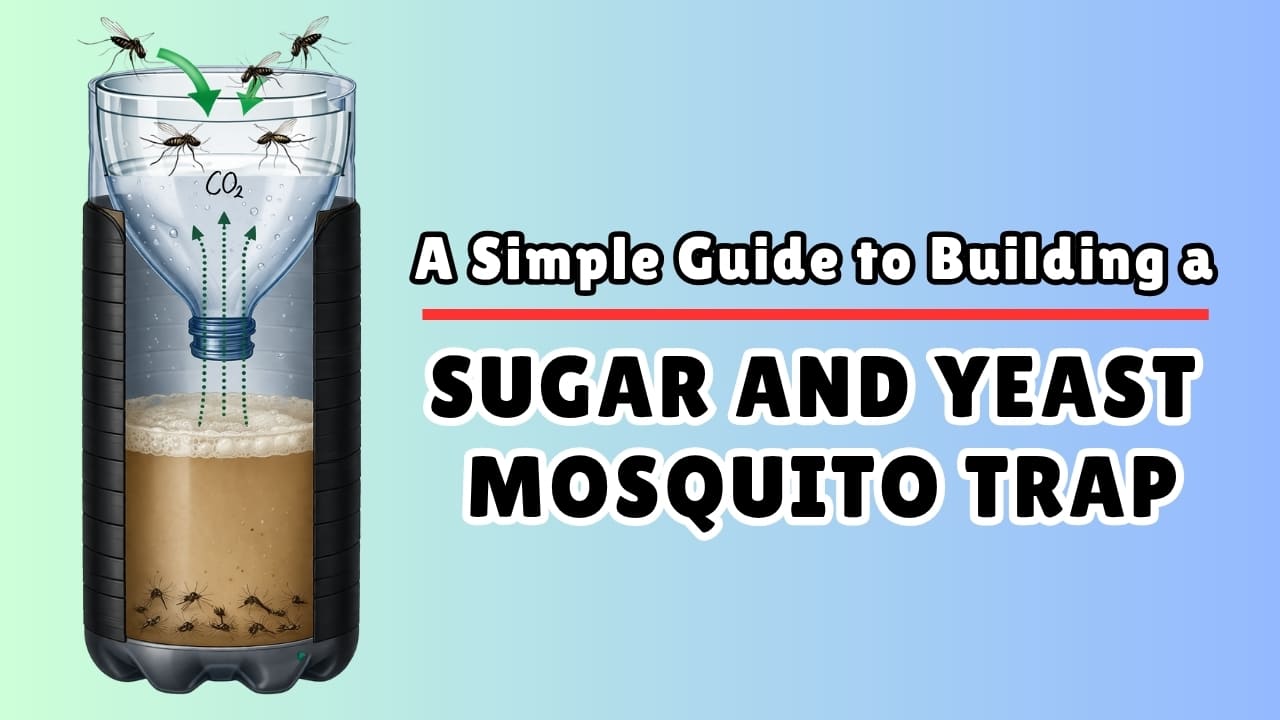
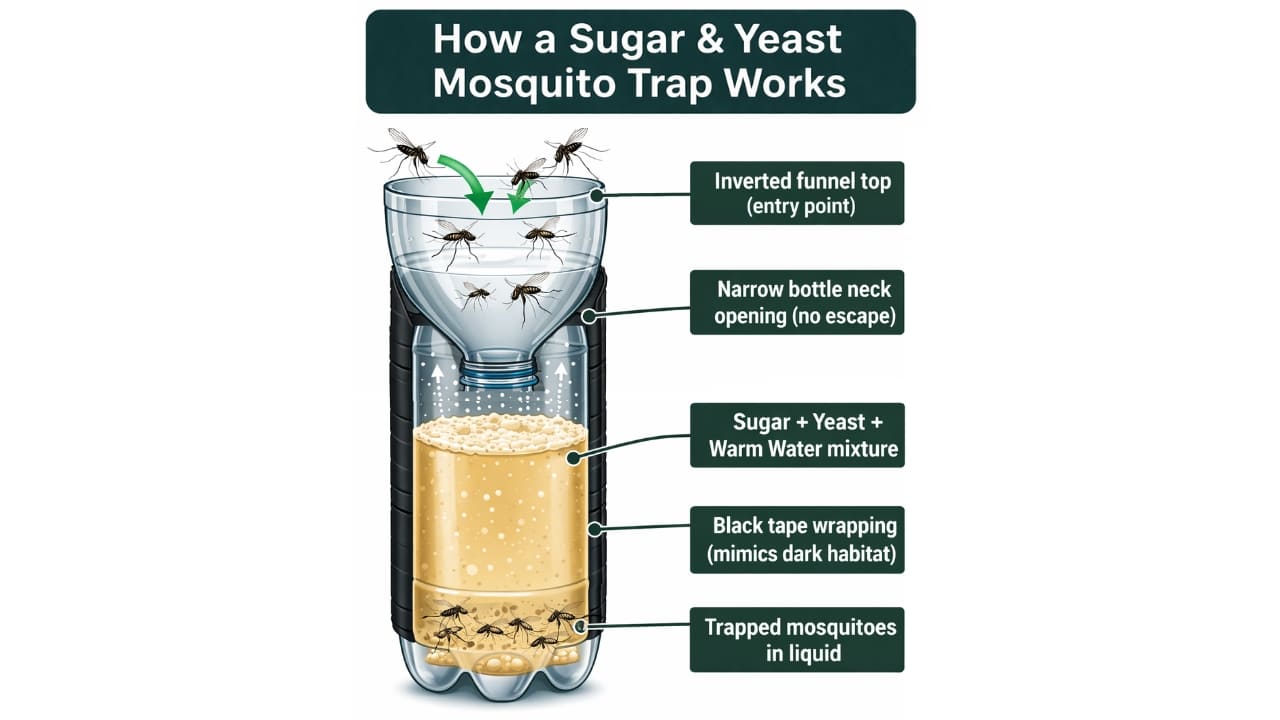
When yeast ferments sugar, it produces CO₂ as a byproduct — a continuous, steady stream of the very gas mosquitoes are hunting for. The trap exploits this biological instinct. Mosquitoes fly in toward the CO₂ source, enter through the funnel, and can’t find their way back out.
Research published in the Journal of the American Mosquito Control Association has documented CO₂ baited traps as effective surveillance tools for multiple mosquito species. While a homemade version won’t match the output of a commercial propane-powered CO₂ trap, it produces enough gas to attract mosquitoes in a defined area — particularly in enclosed or semi-enclosed outdoor spaces.
The sugar itself also plays a dual role. Beyond feeding the yeast, dissolved sugar water creates a liquid medium. Once mosquitoes enter and fall into it — or get trapped in the humid funnel zone — they can’t escape.
What You’ll Need to Build Your Homemade Mosquito Trap with Sugar and Yeast
The beauty of this trap is that you probably already have most of these materials at home. Here’s exactly what to gather before you start:
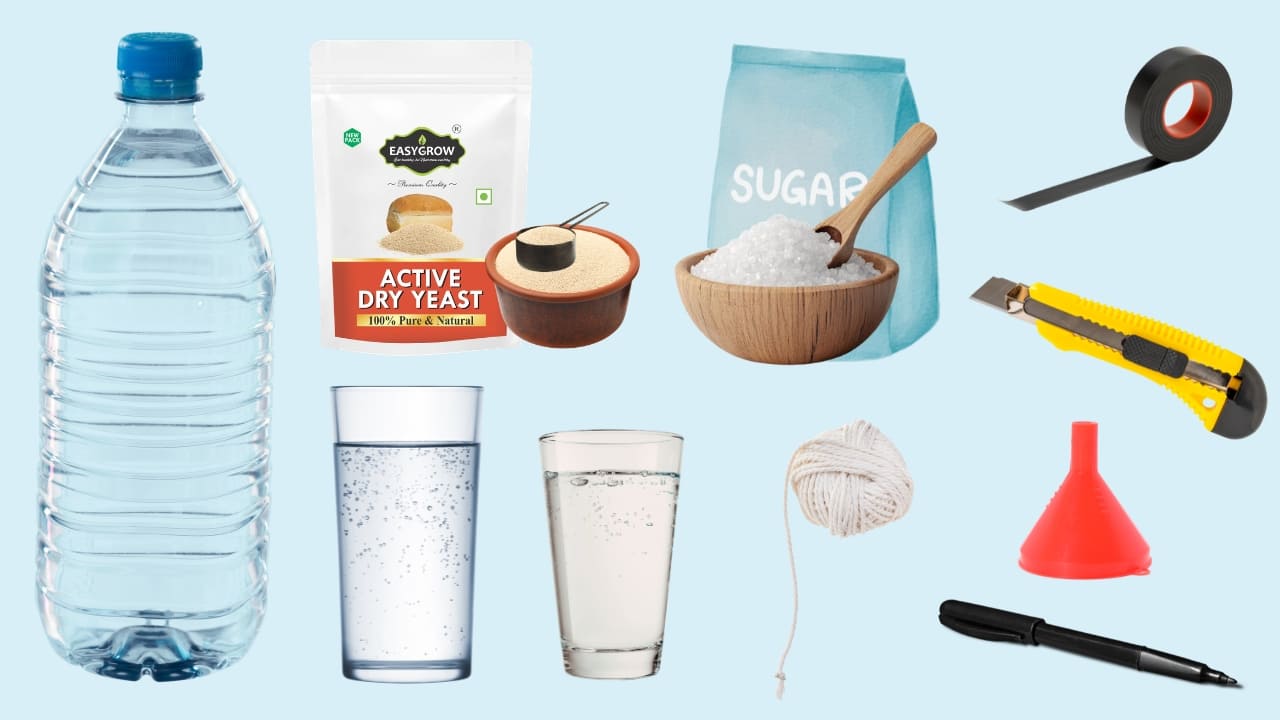
Materials List
- One 2-liter plastic bottle (an empty soda bottle works perfectly)
- 1 cup (200g) of white granulated sugar
- 1 teaspoon of active dry yeast (standard bread yeast from the grocery store)
- 1 cup (240 ml) of warm water (not hot — around 85°F / 30°C is ideal)
- An additional 1 cup (240 ml) of cool water
- Black tape or black paint (to cover the bottle)
- A sharp knife or scissors
- A marker or pen
- Optional: a small funnel, tape to seal the funnel joint
One important note on yeast: use active dry yeast, not instant yeast. Active dry yeast ferments more slowly and steadily, which means your CO₂ output lasts longer. Instant yeast burns hot and fast — not ideal here.
Step-by-Step Instructions: How to Build Your Sugar and Yeast Mosquito Trap
Follow these steps carefully. The geometry of the funnel and the ratio of sugar to yeast both matter more than people realize.
Step 1: Cut the Plastic Bottle
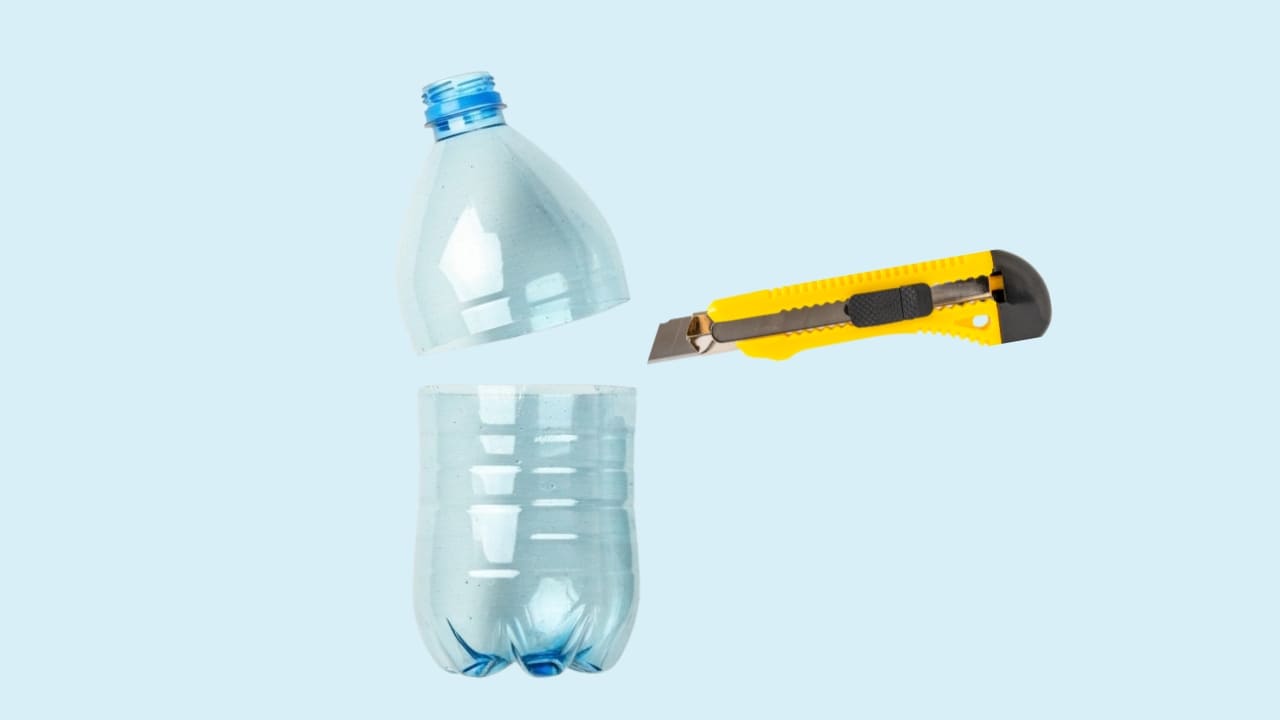
Using your marker, draw a line around the bottle about one-third from the top — roughly where the bottle starts to narrow toward the neck. Cut along this line cleanly with scissors or a sharp knife.
You now have two pieces: a top funnel section (with the bottleneck and cap) and a lower cylindrical body. Set both aside.
Step 2: Prepare the Sugar-Water Solution
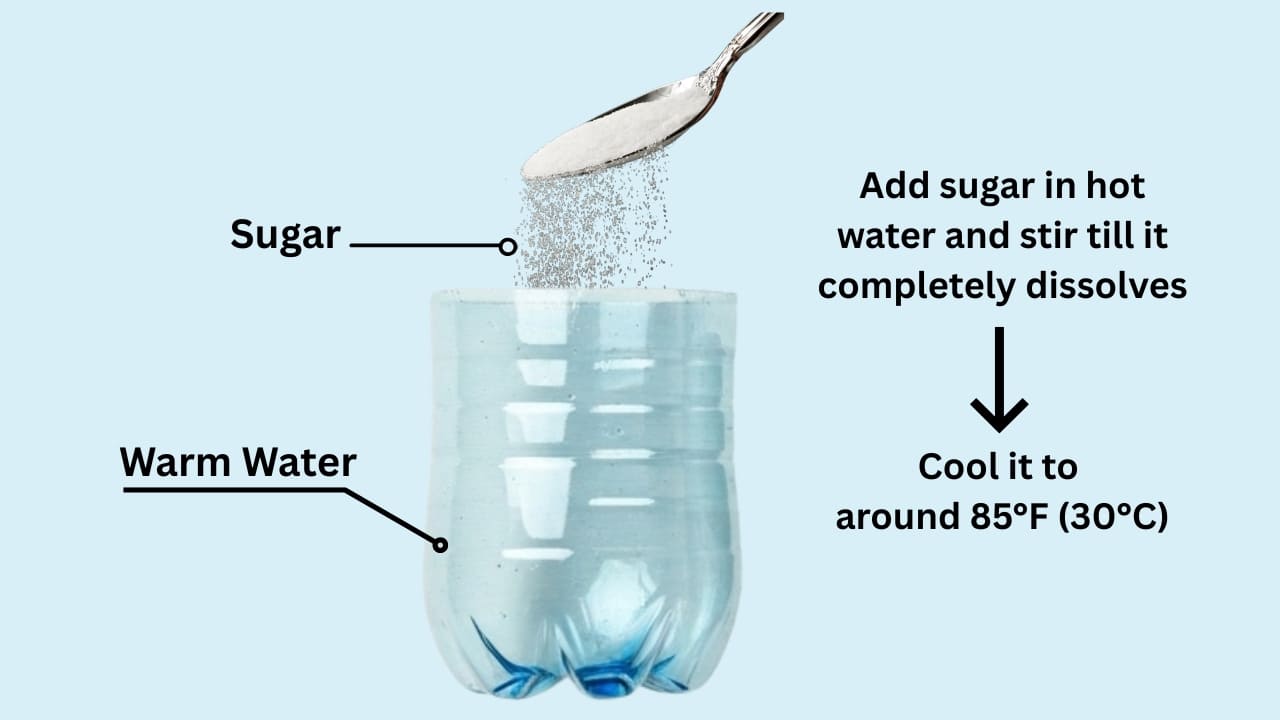
Pour 1 cup of warm water into the bottom section of the bottle. Add 1 cup of sugar. Stir until the sugar completely dissolves. This is important — undissolved sugar doesn’t feed the yeast efficiently.
Once dissolved, add 1 cup of cool water to bring the temperature down. You want the mixture to be warm but not hot. If the liquid is too hot when you add the yeast, it will kill the yeast cells before fermentation can begin. Aim for 85°F (30°C). A bit above body temperature feels about right when you dip a finger in.
Step 3: Add the Yeast
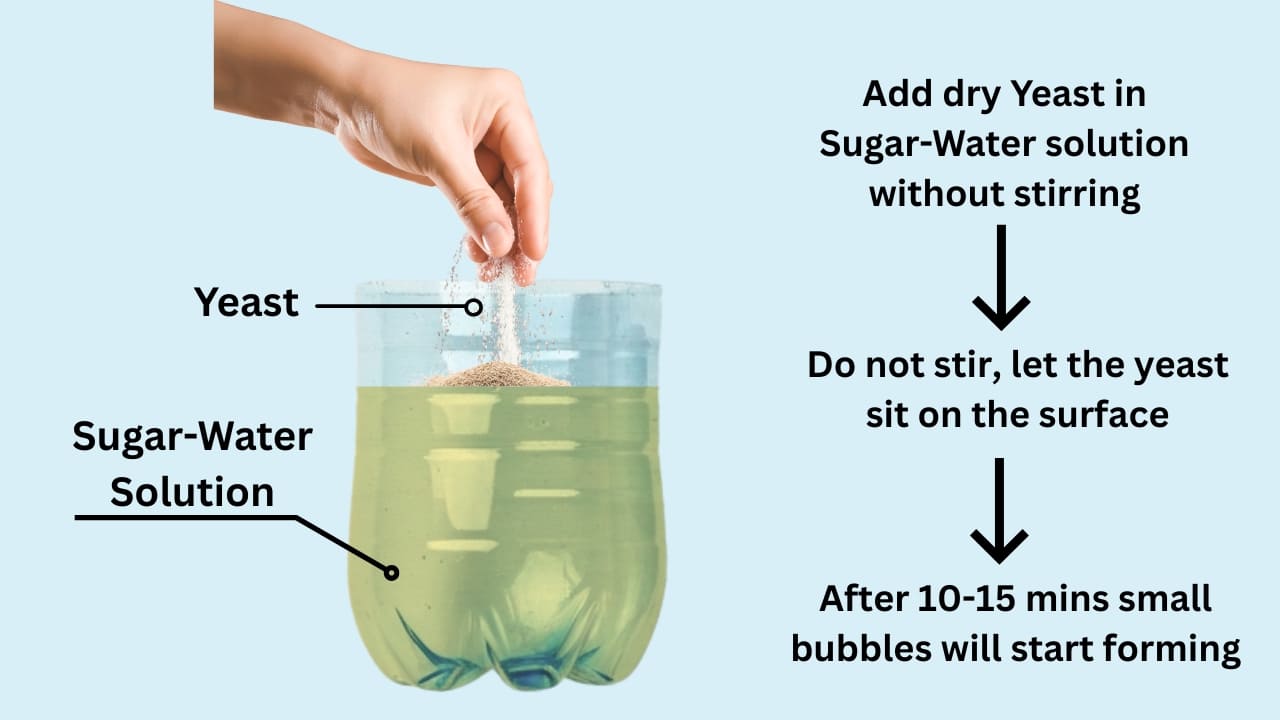
Sprinkle 1 teaspoon of active dry yeast directly into the sugar-water mixture. Do not stir. Stirring at this point can introduce air pockets that disrupt the fermentation initiation. Just let the yeast sit on the surface — it will activate on its own within 10-15 minutes, and you’ll start to see small bubbles forming.
Step 4: Assemble the Funnel
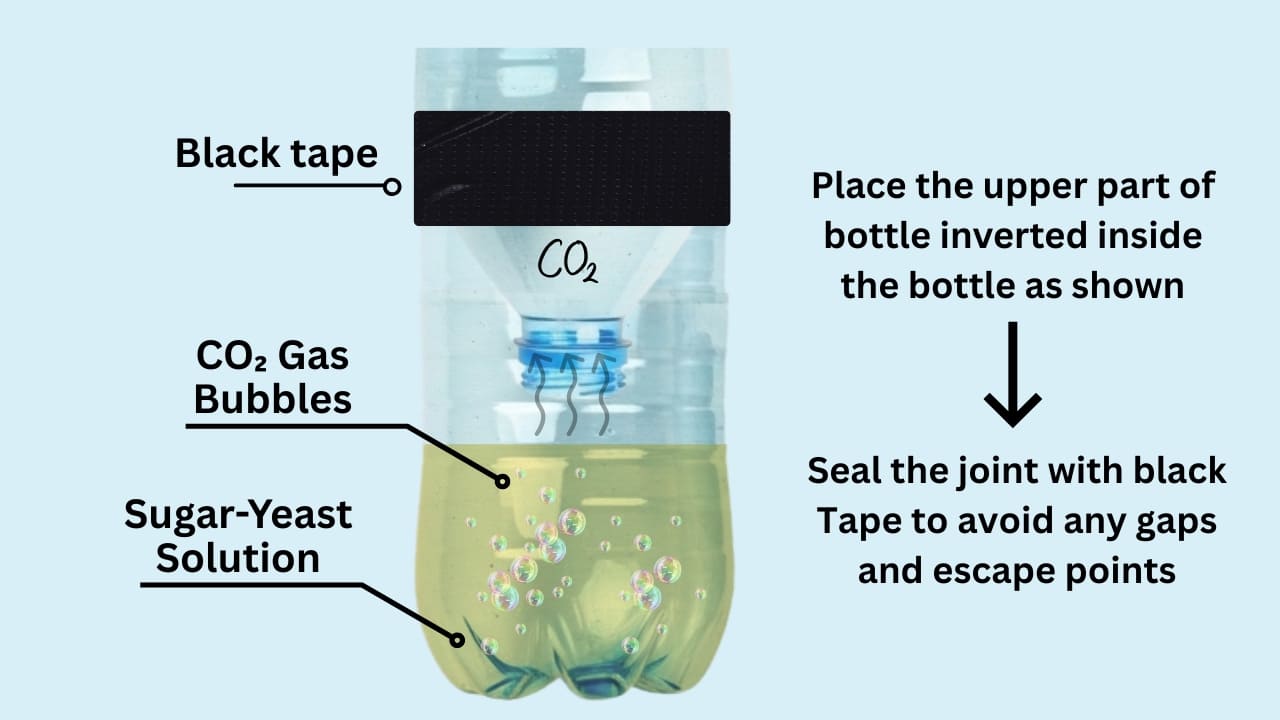
Remove the cap from the bottle’s top section. Invert the top section (funnel) and place it upside down into the bottom section. The narrow neck should point downward into the liquid — but not submerged in it. Leave about 1 inch of air space between the neck’s opening and the sugar-water surface.
Use tape to seal the joint between the funnel and the body. This prevents mosquitoes from escaping through any gaps at the sides.
Step 5: Cover the Bottle in Black
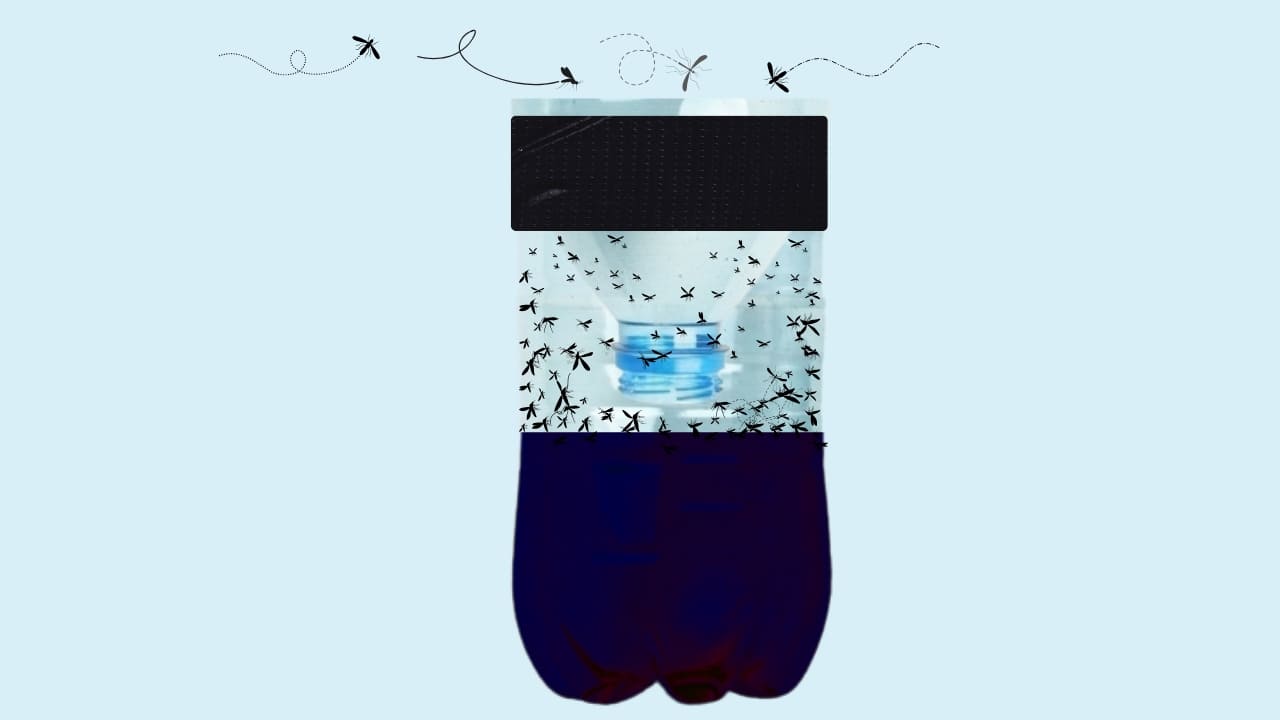
Wrap the outside of the entire trap in black tape, or spray/paint it black. Mosquitoes are strongly attracted to dark surfaces — they associate darkness with shade, vegetation, and moisture. A black trap is significantly more effective than a clear one. This is one of those small details that makes a real difference.
Leave the very top of the funnel opening uncovered so CO₂ can escape freely.
Step 6: Place the Trap Strategically
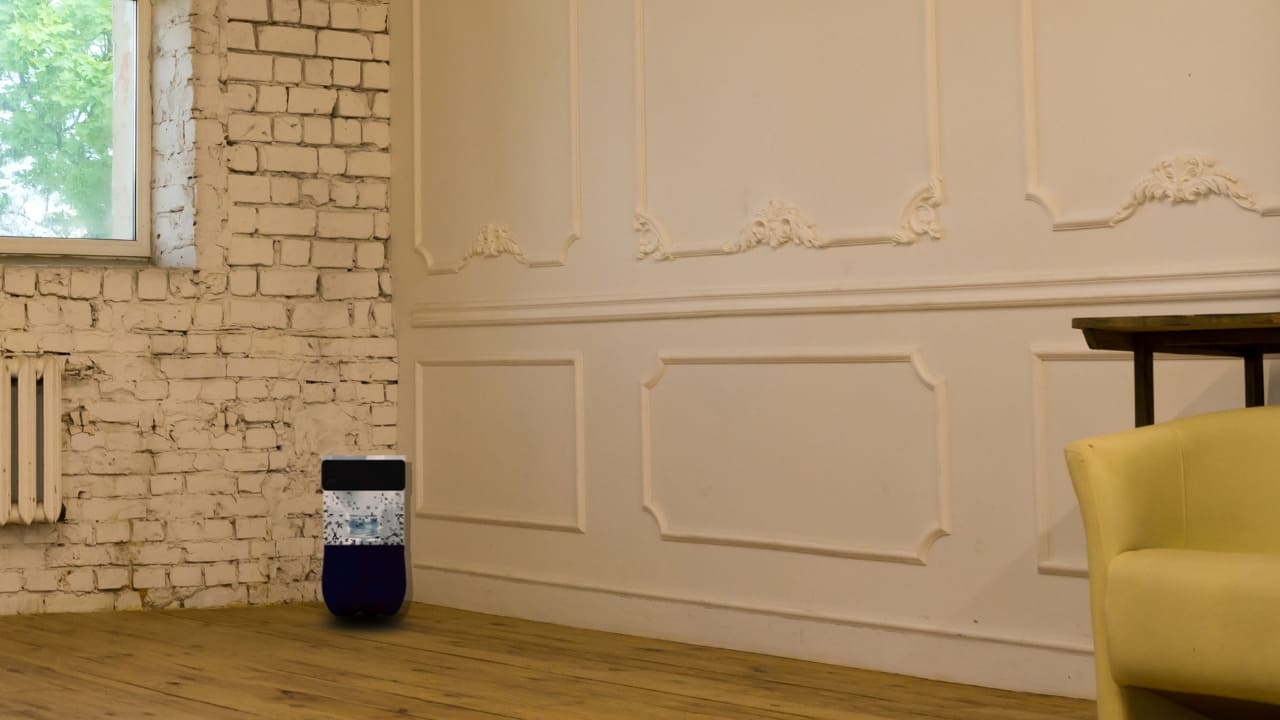
Placement is as important as construction. Set the trap in a shaded, humid area — near standing water, dense vegetation, or in corners of your yard or patio where mosquitoes tend to rest or in corner of your room. Avoid direct sunlight; heat can denature the yeast and cut your CO₂ production short.
Keep it away from where you actually sit or stand. You want the trap to draw mosquitoes toward it — not toward you. A distance of 10-15 feet from your seating area is effective.
Step 7: Monitor and Refresh
The yeast mixture remains active for roughly 10-14 days depending on ambient temperature. Warmer environments accelerate fermentation and shorten the effective window. In Mumbai-level heat and humidity, I found my traps needed refreshing every 8-10 days.
To refresh: carefully remove the funnel, dispose of the old mixture (don’t pour it near plants — the CO₂ content is negligible, but the dead yeast isn’t great for soil), rinse the bottle, and prepare a fresh sugar-yeast solution.
Expert Tips to Maximize Your Homemade Mosquito Trap’s Effectiveness
Over several seasons of running these traps — and talking with vector control specialists — I’ve picked up a few upgrades worth mentioning:
- Add a few drops of dish soap to the sugar water. Surface tension is what lets mosquitoes float. Breaking it with soap ensures that any mosquito that enters and touches the liquid will sink and drown.
- Try brown sugar or molasses instead of white sugar. Brown sugar ferments slightly differently and may produce odor compounds that enhance attraction. Anecdotally, I’ve seen better results. Not peer-reviewed, but worth experimenting.
- Use multiple traps. One trap covers a limited area. For a medium-sized yard, three to four traps positioned at the perimeter outperform a single trap by a significant margin.
- Deploy at dusk and dawn. Most biting mosquito species — including Aedes aegypti and Culex quinquefasciatus — are crepuscular (most active at low-light periods). Your trap is most effective during these windows.
- Eliminate standing water first. No trap will outcompete a nearby breeding site. A 2-liter trap can’t overcome 50 gallons of water sitting in a neglected planter. Eliminate breeding sources before deploying traps.
- Keep a log. Count captured mosquitoes every few days. It helps you gauge effectiveness, identify peak periods, and make informed decisions about placement or frequency.
What This Sugar and Yeast Mosquito Trap Can’t Do — Honest Limitations You Should Know
I believe in being straight about what works and what doesn’t. The sugar and yeast mosquito trap is genuinely effective — but it has real limitations.
- It won’t eliminate a large mosquito population in an open or heavily infested area. It’s a suppression tool, not eradication.
- The CO₂ output is much lower than commercial traps running on propane. It works best in a 10-15 foot radius under ideal conditions.
- It does not repel mosquitoes. It attracts and captures. If a mosquito ignores the trap and heads for you, the trap won’t stop it.
- Rain or extreme heat disrupts fermentation. You may need to reposition or rebuild after weather events.
Think of this as one layer in an integrated pest management (IPM) approach — alongside eliminating standing water, using window screens, wearing protective clothing, and applying EPA-registered repellents like DEET or picaridin when needed.
Commercial vs. Homemade Mosquito Traps: How Do They Compare?
People often ask whether DIY traps are worth it when commercial options exist. Here’s an honest comparison:
| Feature | Sugar & Yeast DIY Trap | Commercial CO₂ Trap |
|---|---|---|
| Cost | Under $1 | $200–$600+ |
| CO₂ Output | Low (yeast fermentation) | High (propane/tank) |
| Coverage Area | ~10–15 ft radius | Up to 1 acre |
| Setup Time | 15 minutes | 30–60 minutes |
| Maintenance | Every 10–14 days | Monthly/seasonal |
| Eco-Friendliness | Very high (no chemicals) | Moderate (propane use) |
| Best For | Small spaces, balconies, patios | Large yards, high infestation |
The DIY trap wins on cost, accessibility, and environmental footprint. The commercial trap wins on scale and power. For most homeowners dealing with a patio or balcony problem, the homemade version is absolutely worth building first.
Troubleshooting Your Sugar and Yeast Mosquito Trap: Common Problems and Fixes
Not catching anything? Before you give up, run through this checklist:
- No bubbling in the liquid? Your yeast may be dead or the water was too hot. Discard and start fresh with new yeast.
- Trap has been sitting in direct sunlight? Move it to a shaded spot immediately. Heat above 100°F (38°C) kills yeast rapidly.
- Gaps between the funnel and body? Mosquitoes will find them. Reseal with tape thoroughly.
- Trap too close to your seating area? You’re competing with your own body heat and CO₂. Move the trap further away.
- Older than 14 days without refresh? Fermentation is spent. The trap is essentially empty bait at this point.
Where This Trap Fits in Integrated Mosquito Management
I want to briefly address something that doesn’t get said enough in DIY guides: no single method eliminates mosquitoes. Not traps, not sprays, not “miracle” gadgets.
The CDC and WHO both advocate for integrated vector management (IVM) — a layered approach that combines source reduction (eliminating breeding sites), biological controls (like Bacillus thuringiensis israelensis in standing water), physical barriers (screens, long clothing), chemical controls (EPA-registered repellents), and trapping.
The sugar and yeast trap fits neatly into this framework as a low-cost, chemical-free trapping method. It complements rather than replaces the other layers. Use it as part of a strategy, not as a standalone solution.
📰 Must Read,
✔️ Know Why Propane Mosquito Traps Are So Effective
✔️ Do UV Light Mosquito Traps Actually Work? Here’s The Shocking Reality
✔️ Where to Place Mosquito Traps for Best Outdoor Protection?
Conclusion: A Small Investment, Real Results
Building a homemade mosquito trap with sugar and yeast takes less than 15 minutes and costs almost nothing. The science behind it is solid — mosquitoes are drawn to CO₂, and a fermenting sugar-yeast solution produces exactly that. When built correctly, sealed properly, positioned strategically, and refreshed regularly, this sugar and yeast mosquito trap is a genuinely effective addition to any home pest management toolkit.
Is it perfect? No. Does it replace professional treatment in severe infestations? Absolutely not. But for a patio, a balcony, a backyard corner where you just want to sit and enjoy the evening without being eaten alive — yes. It works. I’ve watched it work, season after season.
Give it a try. Adjust the placement, experiment with brown sugar, run two traps side by side. The more you observe, the more you’ll learn about the mosquito behavior in your specific environment.
Have you built a sugar and yeast mosquito trap before? What modifications have you tried? Drop your experience in the comments — I read every one, and honestly, some of the best refinements I’ve made came from readers.
Frequently Asked Questions (FAQs)
Q. How long does the sugar and yeast mosquito trap take to start working?
The yeast begins producing CO₂ within 15-30 minutes of being mixed with the sugar-water solution. You may start seeing trapped mosquitoes within 24-48 hours, depending on local mosquito density and trap placement. The trap reaches peak CO₂ output around day 2-3 of fermentation.
Q. Does the homemade mosquito trap work against all mosquito species?
CO₂-baited traps attract most host-seeking (blood-feeding) mosquito species, including Aedes aegypti, Aedes albopictus, and Culex species. However, species that feed primarily on animals or birds may be less attracted. For most residential pest mosquitoes, the trap is broadly effective.
Q. Can I use instant yeast instead of active dry yeast?
Technically yes, but it’s not ideal. Instant yeast ferments much faster, meaning your CO₂ output peaks quickly and burns out within a few days. Active dry yeast ferments at a slower, steadier pace that extends the trap’s effective lifespan to 10-14 days. Stick with active dry for best results.
Q. Is this trap safe to use around children and pets?
Yes. The sugar and yeast mosquito trap contains no pesticides, no toxic chemicals, and no synthetic attractants. The fermented sugar-water mixture is non-toxic. Keep the trap elevated or secured so pets and small children can’t knock it over or access the liquid, but there are no chemical safety concerns.
Q. How many traps do I need for my yard?
A single trap covers roughly a 10-15 foot radius under optimal conditions. For a standard backyard or patio, start with 2-3 traps placed at the perimeter and near known mosquito resting areas (shaded, humid spots, near vegetation). Scale up based on infestation severity.
Q. Why isn’t my trap catching any mosquitoes?
The most common reasons are dead yeast (from water that was too hot), placement in direct sunlight, gaps in the funnel seal allowing mosquitoes to escape, or the trap being too close to you — which means your body heat and CO₂ is outcompeting the trap. Check all four factors before concluding the trap doesn’t work.
Q. How often should I change the solution in my homemade trap?
Every 10-14 days in temperate conditions, or every 7-10 days in hot, humid climates. When fermentation slows — indicated by reduced bubbling and little to no foamy activity on the surface — it’s time to refresh. Don’t wait until the solution is completely stale.
Q. Will the trap attract other insects besides mosquitoes?
Possibly. Fruit flies and gnats are also attracted to fermentation odors and may enter the trap. This is generally harmless — and in some ways a bonus, since these insects can also be nuisances. The trap is not selective, but mosquitoes tend to dominate the catch in areas with high mosquito populations.
Editorial Team & Contributors

Raashid Ansari, Founder, Content Researcher & Author - MosquiTalk
Not an entomologist — just a genuinely curious writer who started researching mosquitoes and couldn't stop. What began as casual reading about repellents and bite prevention gradually turned into a deep ongoing dive into vector biology, disease epidemiology, animal health impacts, and the real science behind mosquito control. Everything published here is carefully edited, and written with one purpose: giving readers accurate, accessible information they can actually trust and use to protect themselves, their families, and their pets, birds and cattle.
Active across social platforms, regularly publishes, and genuinely invested in spreading mosquito awareness where it matters most. Because informed readers make better decisions — and better decisions save lives.