
Introduction
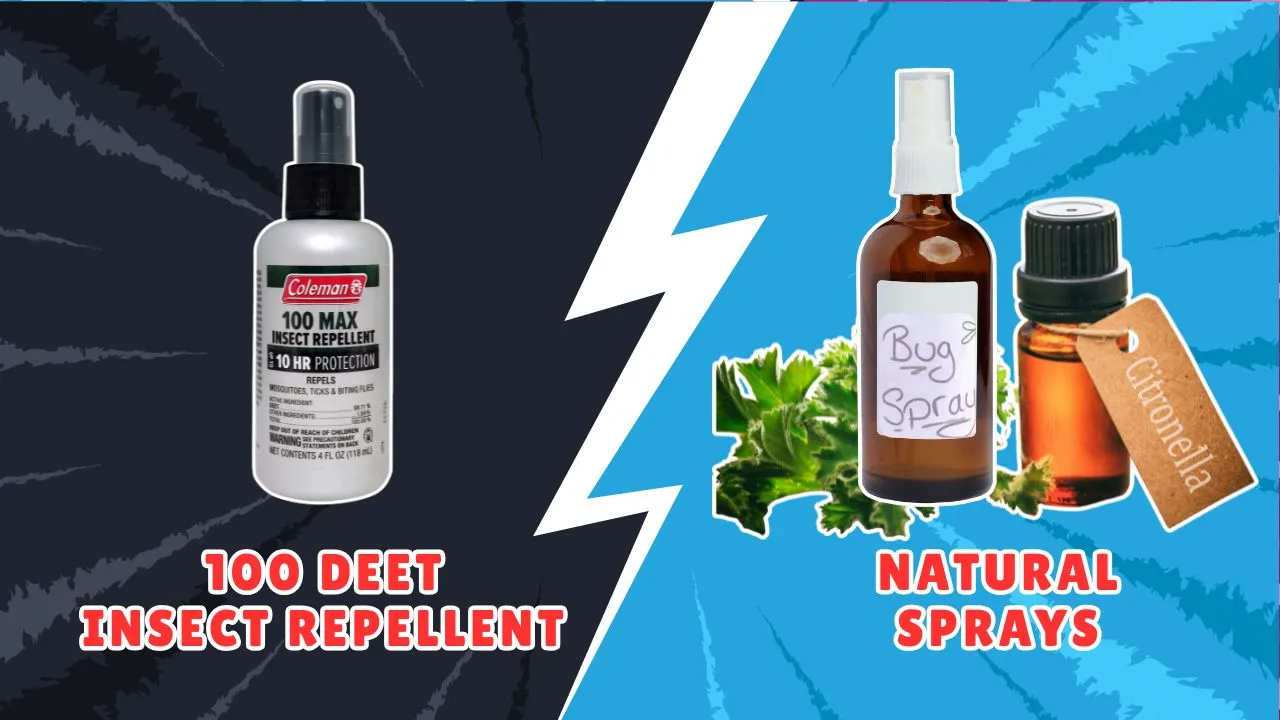
Choosing an insect repellent as a measure of protection against annoying and even harmful biting insects is highly important. With an ever-increasing plethora of options in the market, the two most debated categories are chemical repellents containing DEET and natural insect repellent sprays. In the form of interesting and unique insights, this article based on comparison, 100 DEET Insect Repellent vs Natural Sprays seeks to thoroughly examine the two and in which options each works best.
Understanding DEET: The King of Insect Repellents
Most, if not all, people rely on DEET to repel insects and bugs ever since the invention on it in the 1940’s. Since then people have been using it and it has become a household touchstone since it provides invisible and broad-spectrum protection against all types of biting insect like mosquitoes, fleas, ticks, and chiggers.
- What is DEET?
DEET is a synthetic compound and it works by masking a person’s odor, in which case the carbon dioxide and lactic acid smells, most especially the attractants. This results in the insects being prevented from biting. - Strength and Duration
DEET bug sprays are issued in a variety when it comes to DEET concentration which ranges from 4% to 100%. The lower the concentration of the DEET, the less protection it offers in terms of hours. The 100% DEET bug spray packs a punch, since it provides up to 10 hours of protection and offers no reapplication. - Regulatory Approval and Safety Guidelines
The Environmental Protection Agency (EPA) and similar regulatory agencies approve DEET use as it is intended. Safety recommendations advise against use on infants younger than two months and a maximum 30% concentration use on children. While many DEET users might complain about irritation or chemical exposure, there is ample evidence that DEET is very safe.
100 DEET Insect Repellent vs Natural Sprays
Why is DEET Considered the Best Insect Repellent Spray?
- Proven Effectiveness Across Multiple Insect Types
DEET works on a range of mosquitoes that transmit malaria, dengue fever, Zika, and West Nile virus, as well as on ticks that carry Lyme disease and other bacterial infections. - Longevity of Protection
DEET is far more effective than many natural repellents, giving much longer protection per application, thus reducing the number of times users need to apply the product. This is important while hiking, camping, or doing fieldwork. - Wide Availability and Variety
DEET repellents are available as sprays, lotions, wipes, and even as clothing treatments. This variety makes it suitable for a range of outdoor activities and travel.
Natural Insect Repellent Benefits: Why People Choose Chemical-Free Bug Spray
On the other hand, natural insect repellents include essential oils and plant-derived components such as citronella, lemon eucalyptus, cedarwood, peppermint, and lavender. Their advantages are as follows:
- Chemical-Free and Gentle Formula
Natural sprays are appealing to those who avoid synthetic chemicals as well as people with sensitive skin. Their use poses minimal detrimental effects to the environment as the ingredients are often biodegradable. - Pleasant Fragrance and Skin Feel
A good number of natural repellents possess scents that are considered pleasant by the users and they are also less greasy or sticky as opposed to the chemical sprays. - Safer for Children and Pregnant Women
Due to the absence of synthetic chemicals, essential oil bug sprays are sometimes considered more appropriate for sensitive populations, although these oils are capable of causing allergies or irritation.
Limitations of Natural Repellents
- Shorter Protection Time
The bug sprays in question are less effective and require reapplication every 1-2 hours which can be a nuisance, especially in high-risk areas. - Less Efficacy in High-Risk Zones
Like a number of natural bug sprays, they have not been to tested to see if there is enough protection given against disease-carrying mosquitoes or ticks in endemic areas and can be a health risk in certain cases. - Variable Effectiveness
Natural repellents are known to be more easily affected by the elements as compared to their synthetic counterparts, which can relate to the formulation, the ingredients used, or the storage.
Side-by-Side Comparison: DEET vs Natural Sprays
| Feature | 100 DEET Bug Spray | Natural Insect Repellent |
|---|---|---|
| Protection Duration | Up to 10 hours per application | 1-2 hours, more frequent reapplication |
| Effectiveness on Vectors | Broad-spectrum: mosquitoes, ticks, flies | Varies; mostly effective on mosquitoes |
| Safety Profile | Safe if used as directed, some skin irritation possible | Generally safer for sensitive skin but allergies possible |
| Environmental Impact | Chemical residues may accumulate | Biodegradable, eco-friendlier |
| Odor and User Experience | Chemical smell, sometimes greasy | Pleasant natural scents, lighter feel |
| Usage Recommendations | Essential in high-risk zones and long exposure | Suitable for low-risk, short outdoor activities |
Tick Prevention Spray: Why DEET Often Outperforms Natural Options
Ticks are particularly difficult for repellents due to their behavior and ability to transmit serious diseases. DEET tick prevention sprays have a greater level of repellency and lower tick attachment rates than any plant-based repellent. Deep application of DEET on the seams of clothing and on exposed skin provides the best protection in areas heavily populated with ticks.
When it comes to repellent, the natural option works less on ticks and requires more frequent applications making it less suitable for prolonged outdoor activities in wooded and grassy areas.
Addressing Common Misconceptions About DEET
- “DEET is Toxic and Unsafe”
Breathable DEET is only believed to be toxic if misused, and there are unfortunately and frighteningly so few cases of toxicity. Like so many things, if you misuse it, harm is likely to come of it. It is still and is supposed to be a first line of defense, even as regulatory bodies continue to be puzzled by DEET. - “Natural Means Harmless”
Photosensitivity, allergic reactions, and inflammation is a possibility of all “natural” essential oils. It is indeed a sad truth that, according to the EPA, not all natural products are as effective as they are said to be, and surely not all are safe.
How to Choose the Right Repellent for You
- Consider Your Environment and Risk Level
In malaria or Lyme disease-affected areas, best 100 DEET spray or synthetic alternatives like picaridin offer reliable protection. For casual urban or suburban outdoor time, natural options might suffice. - Personal Sensitivities and Preferences
Natural repellents, despite the lower efficiency, provide an alternative to ease the mind for those who are anxious about being chemically exposed, or suffer from high skin sensitivity. - Activity Duration
Convenience for the casual hiker, or those wanting a few hours of gardening, or a picnic, means that natural sprays suffice. For extensive travel in high infestation zones or for camping, DEET-based repellents are still king.
Combining Strategies for Optimal Protection
Many users opt for a hybrid approach:
- A mix and match strategy is what many users go for. Applying a DEET-based tick prevention spray or 100% DEET mosquito repellent for clothing and exposed skin works best.
- Using aromatic natural sprays or lotions on less-exposed areas to reduce chemical load and improve user comfort.
Conclusion: Which Actually Works?
Both 100 DEET bug spray and natural insect repellents are useful in their own ways. For proven, long-lasting bug protection, especially in the most intensive risk environments where maximum strength mosquito repellent is required, nothing beats DEET. It is the most widely used for outdoor protection, because of the extensive testing, versatility, and its regulatory approvals.
For short-term, low risk outdoor activities, natural sprays are available and offer a chemical-free solution. These sprays are the most favorable for user experience and are better for the environment, but require multiple applications and are not effective against some disease vectors.
Choosing the most appropriate option often comes down to the user’s personal and health choices in relation to the activity and risk to the environment. However, in situations of high risk or prolonged exposure to the environment, chemical repellents such as the 100 DEET spray are the most reliable and protective.
