
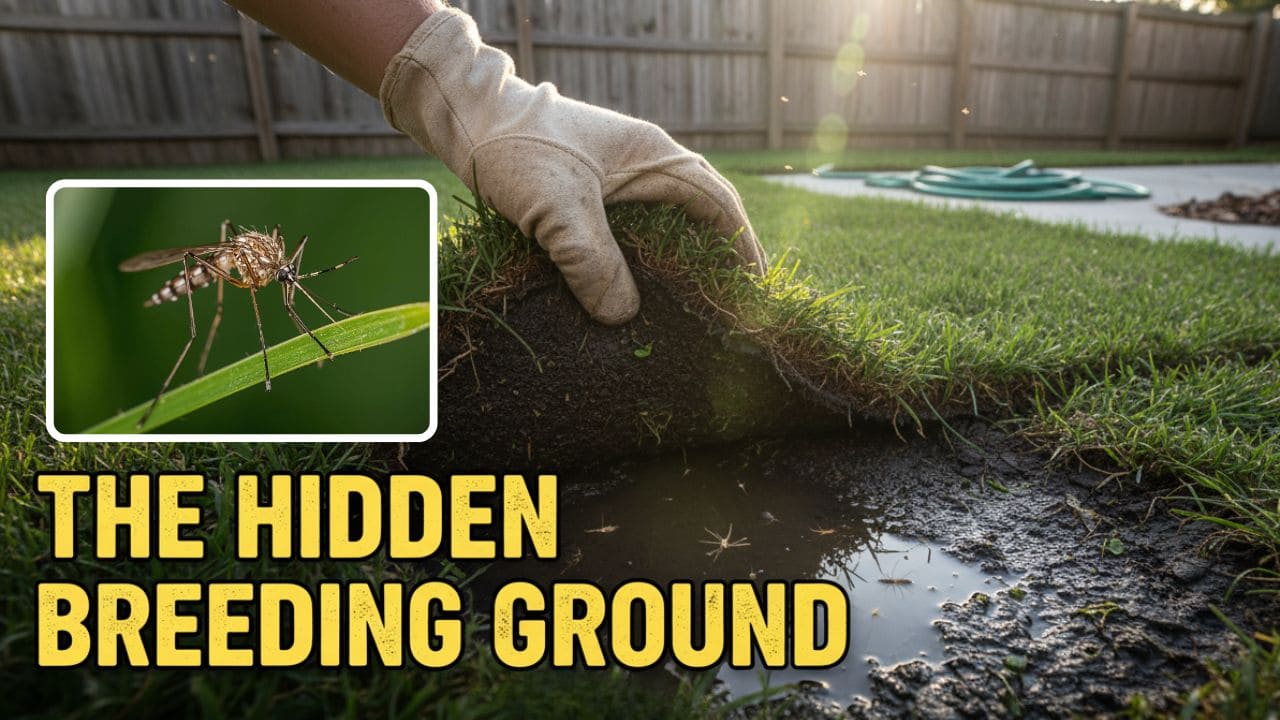
If you’ve noticed a surge in backyard mosquitoes after installing sod, you’re not alone — and it’s not a coincidence. Fresh sod installation turns your yard into a near-perfect mosquito habitat almost overnight. The heavy watering schedule required to establish new sod creates the standing water, dense moisture, and humid microclimate that mosquitoes absolutely love. Most homeowners don’t see it coming. You invest in a beautiful lawn and somehow end up with a huge mosquito population you didn’t have before.
And here’s the thing that really gets me — it’s totally preventable. Most people miss a handful of critical steps during sod establishment that quietly roll out the welcome mat for every mosquito within a quarter mile.
I’ve laid sod three times on my own property over the years, and each time I learned something new. I’ve also talked to enough neighbors and local lawn guys to know that this mosquito-after-sod problem is way more common than it should be. So let’s break it all down — what’s actually happening in that lawn of yours, why mosquitoes are thriving, and exactly what to do about it.
Why New Sod Creates a Mosquito Magnet in Your Backyard?
This is the part most guides skip right over. It’s not that sod somehow attracts mosquitoes on its own — it’s that the conditions required to establish sod are almost identical to the conditions mosquitoes need to breed and survive.
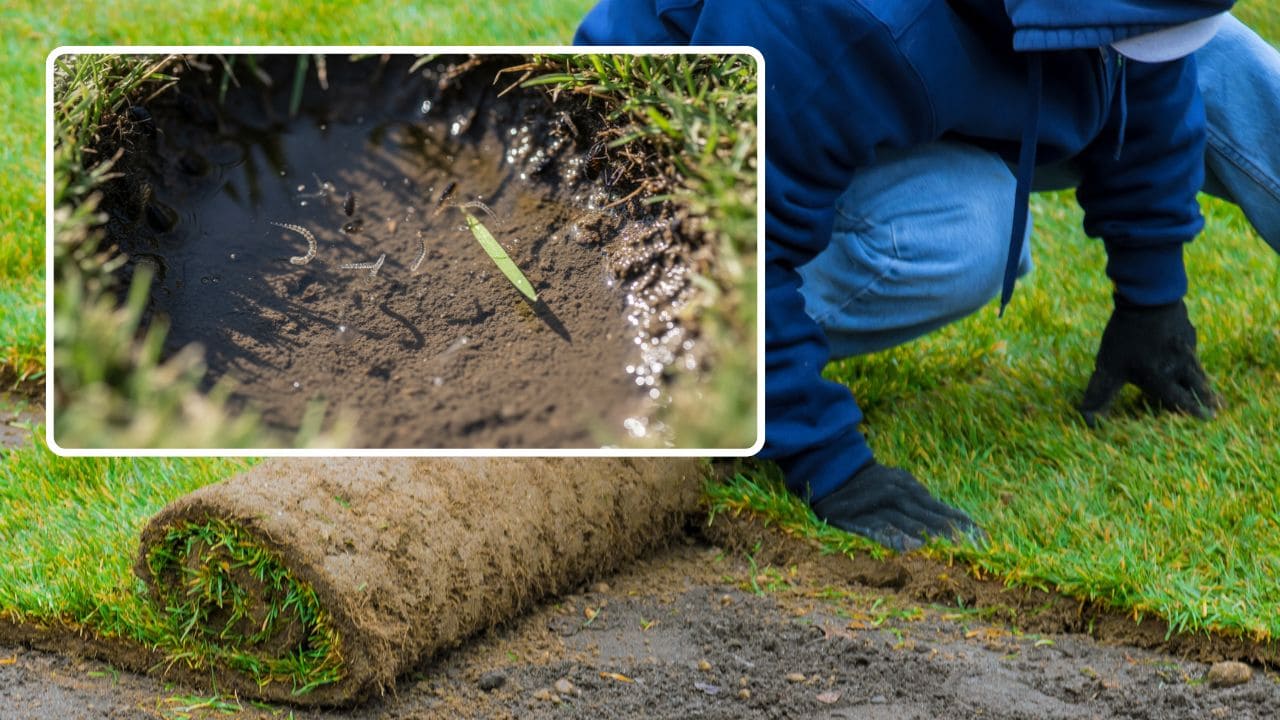
Here’s what happens during those first few weeks after sod installation:
- Heavy, frequent watering creates standing water. Newly laid sod needs to be watered multiple times a day during the first week. That moisture doesn’t always absorb evenly. Low spots, seams between sod rolls, and compacted soil all trap water on the surface — exactly where mosquitoes lay their eggs.
- Thick sod layers hold moisture underneath. Sod is already a dense mat of grass and root material. Laid on unprepared or compacted soil, it can hold moisture for extended periods in the thatch layer below — a warm, damp, protected space that adult mosquitoes love to hide in during the heat of the day.
- Sod seams create sheltered micro-habitats. The gaps between sod rolls, before the grass fully knits together, are shaded and perpetually damp. Mosquitoes are weak fliers and they specifically seek out low, sheltered spots to rest.
- Soil disturbance disrupts natural drainage. Grading and tilling during sod prep often creates subtle depressions you don’t notice until after the first heavy rain. These low spots become miniature mosquito nurseries.
- New sod is thick, green, and shaded. According to the Mississippi State Department of Health, mosquitoes actively seek out damp, shaded hiding spots. Fresh sod — especially dense varieties like St. Augustine or Zoysia — provides exactly that canopy.
Put it all together and you’ve got a shaded, moist, undisturbed patch of ground getting watered several times a day. That’s not a lawn. That’s a mosquito resort.
The Overwatering Problem: How Your Irrigation Schedule Feeds the Mosquito Lifecycle
Let’s talk about the single biggest mistake homeowners make after sodding: watering too much, too late in the day, and for too long.
Yes, new sod needs water to survive. I’m not arguing against that. The first 7–14 days require consistent moisture to help roots establish. But there’s a difference between keeping the sod moist and flooding the yard every few hours until sunset.
According to the CDC, mosquitoes spend roughly 75% of their life cycle in water. Eggs hatch in as little as 7–10 days in warm, stagnant water. And mosquitoes don’t need much — even water pooled in a bottle cap is enough for a female to lay up to 100 eggs.
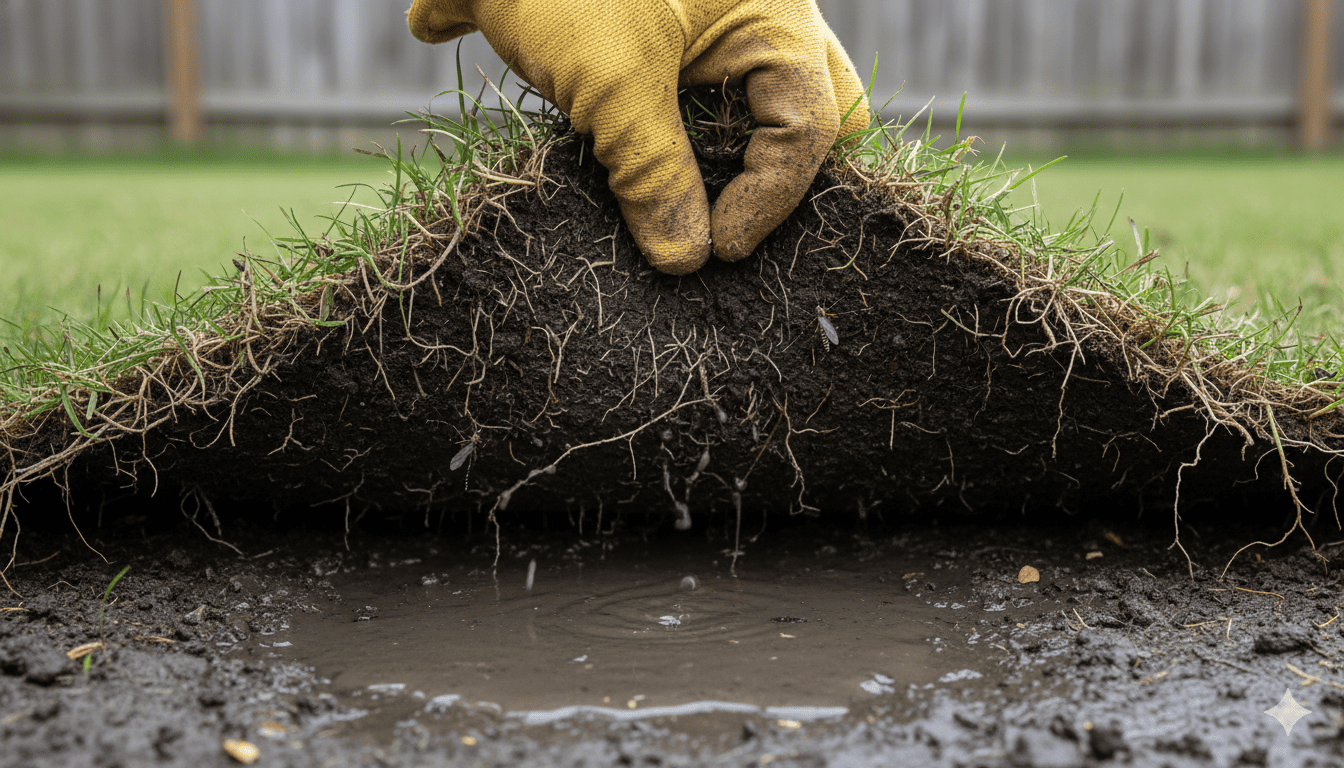
Signs you’re overwatering your new sod (and creating a mosquito problem):
- The ground feels squishy or spongy underfoot
- Water is running off rather than soaking in
- You see small puddles still sitting 30–60 minutes after watering
- Mushrooms or fungal patches are appearing
- Grass is yellowing even though it’s being watered
- Mosquito activity spikes in the evening near the lawn area
The fix isn’t complicated. Water deeply but infrequently, and always in the early morning. Morning watering lets the surface dry out through the day, which breaks the moist conditions mosquitoes need to hang around. Evening watering is the worst thing you can do — it leaves your lawn damp all night, right when mosquitoes are most active.
Hidden Mosquito Breeding Spots Created by Sod Installation That Nobody Mentions
This is the stuff that catches people off guard. Even homeowners who are careful about standing water on their lawn often miss these sod-installation-specific mosquito traps.
1. Sod Seams and Roll Edges
Before sod rolls fully knit together — usually takes 3–6 weeks — the seams remain slightly raised or gapped. Water collects there. It evaporates slowly because of the shade from adjacent grass blades. Female mosquitoes find these micro-channels ideal for egg-laying. Check your seams after every watering session, especially in the first month.
2. Leftover Sod Debris and Pallets
That pile of leftover sod trimmings in the corner of the yard? The wooden pallet the sod came stacked on? They hold moisture under them for days. I’ve seen puddles under sod scraps a week after installation with larvae already wiggling in them. Clean up sod debris the same day as installation — don’t let it sit.
3. Uneven Grading and Low Spots
Sod installation often involves light grading, but it’s rarely perfect. Subtle dips in the lawn — even half an inch — collect and hold water after rain or irrigation. Walk your yard after rain and identify every spot that stays wet for more than an hour. Those are your future mosquito hotspots. Fill them with topsoil and re-seed or lay small sod patches over them as soon as the main sod is established.
4. Clogged Gutters Draining Onto New Sod
Something I didn’t connect for years: my gutters were dumping extra water right onto the edge of my newly sodded area. The splash zone never dried out. Combine that with the irrigation I was already running and that corner was basically a swamp. Clean your gutters before you lay sod. Redirect downspout extenders away from the sod zone. Easy fix, easy win.
Does New Sod Thatch Attract Mosquitoes? Understanding the Moisture Layer Below
Thatch is that layer of dead grass roots, stems, and organic material that builds up between the soil surface and the green grass blades. In new sod, the backing is essentially a compressed thatch-and-root mat.
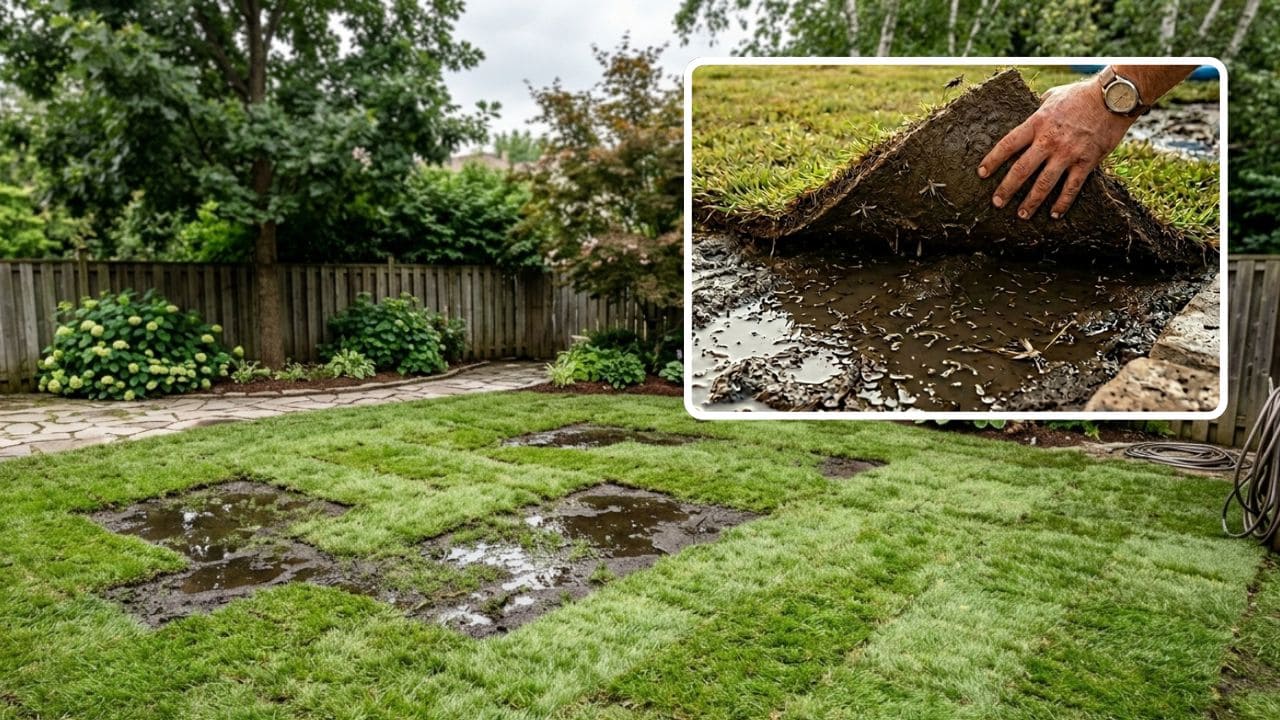
That mat is great for establishing the lawn. It’s terrible for mosquito control. It holds heat and moisture far longer than bare soil would. Adult mosquitoes — which need to stay moist to survive — will rest in thick thatch during the day, protected from sun and wind.
Once your sod is fully established — typically after 6–8 weeks — consider dethatching if the layer exceeds half an inch. Dethatching improves airflow, helps the soil dry out faster between waterings, and removes one of the primary daytime hiding spots for mosquitoes. Lawn experts consistently name dethatching as one of the most underrated steps in mosquito control.
How to Control Mosquitoes After Installing Sod Without Damaging Your New Lawn?
This is where it gets more challenging. Most mosquito sprays on the market are totally safe for established lawns — but some products and application methods can damage fragile new sod during its first few weeks. Here’s what I’ve found actually works without torching your investment.
Step 1: Fix Your Watering Schedule First
Before you buy any spray or call any company, adjust how and when you water. Water in the early morning. Let the lawn surface dry between sessions. After the first two weeks, transition to deep, infrequent watering — 2 to 3 times per week maximum. This alone disrupts the mosquito breeding cycle significantly.
Step 2: Use BTI Larvicide for Standing Water You Can’t Eliminate
Bacillus thuringiensis israelensis (BTI) is a naturally occurring bacterium that kills mosquito larvae in standing water without harming beneficial insects, pets, birds, or your lawn. Products like Mosquito Dunks or Mosquito Bits can be broken up and applied to persistently wet areas of new sod, bird baths, low spots — anywhere water sits for more than 7 days. It’s the responsible, environmentally sound larvicide choice backed by extension services and health agencies across the US.
Step 3: Targeted Perimeter Sprays for Adult Mosquitoes
Pyrethroid-based sprays (containing Lambda-Cyhalothrin or Gamma-Cyhalothrin) are effective against adult mosquitoes and are generally safe for use on lawns. For new sod specifically, apply carefully and follow label instructions. Spray shrubs, fence lines, and landscaping borders — the areas where mosquitoes rest — rather than drenching the newly rooted sod. Wait until sod has been down at least 3–4 weeks before any heavy spray application.
Step 4: Use Outdoor Fans in Entertainment Areas
Mosquitoes are weak fliers. A consistent breeze of even 1–2 mph is enough to keep them from landing. This isn’t folk wisdom — it’s well-documented by entomologists. Oscillating fans work better than stationary ones because they create irregular airflow that mosquitoes can’t navigate. Set them up near your patio or seating areas, especially in the evenings.
Step 5: Plant Mosquito-Repelling Plants Around the Perimeter
Marigolds, lavender, citronella grass, rosemary, basil, and catnip all have documented mosquito-repelling properties. Plant them along borders, near your patio, or at the edges of the new sod area. They’re not one and best, but as part of a layered mosquito control strategy they add real value — and they look good while doing it.
Sod Installation in Mosquito-Prone Regions: What You Need to Know Before You Lay a Single Roll
Living in the Southeast, Gulf Coast, Pacific Northwest, or any humid region changes the calculus entirely. When ambient humidity is already high and summers are long, even normal sod-establishment watering can tip the yard into mosquito territory quickly.
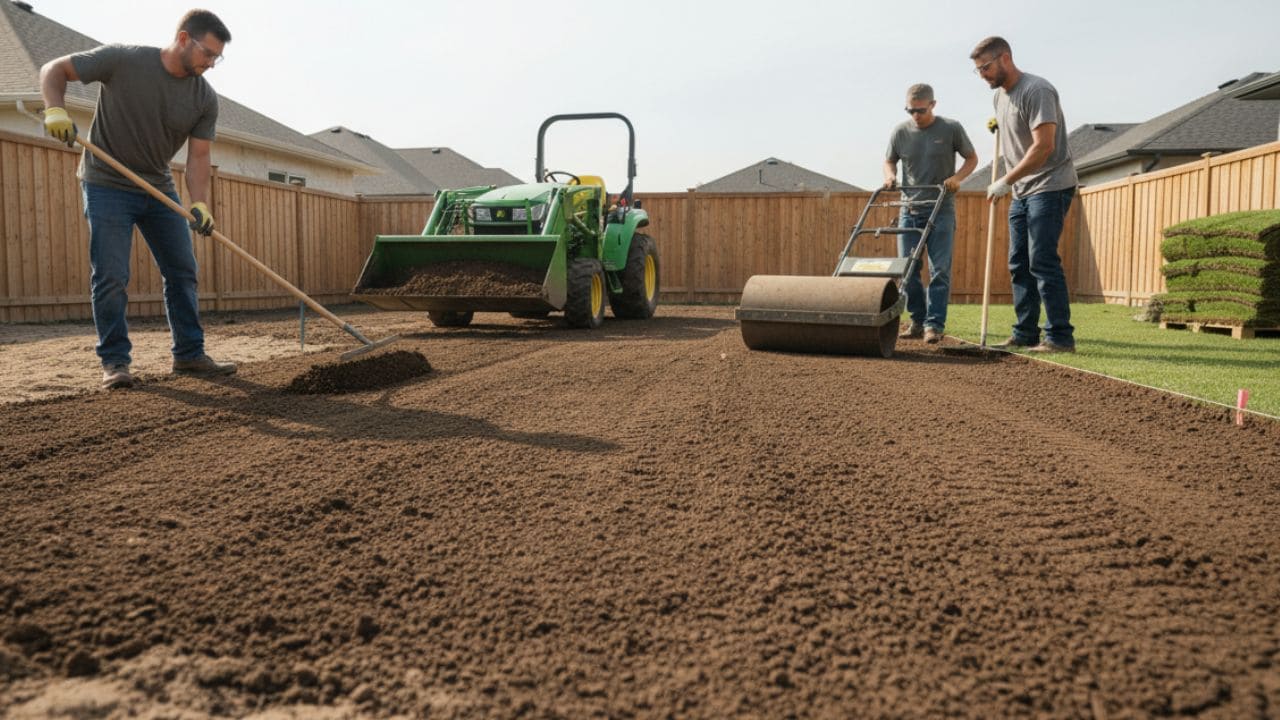
If you’re in a high-humidity, mosquito-prone area, do these things before installation:
- Grade the lawn area carefully to eliminate low spots before laying sod. Pay for a professional grade if you’re not confident doing it yourself.
- Install or verify proper drainage infrastructure before sodding — French drains, catch basins, or slope corrections.
- Choose sod grass varieties suited to your climate that don’t require excessive establishment watering. Ask your local cooperative extension office for regional recommendations.
- Schedule sod installation in cooler months when possible. Fall installation in many Southern states means lower mosquito pressure during the critical establishment period.
- Have a larvicide (BTI product) ready to use from Day 1 on any areas that hold water persistently.
State health departments like the Florida Department of Health and the Texas DSHS consistently remind residents that mosquito-borne illnesses — West Nile virus, Zika, Eastern Equine Encephalitis — are real, regional risks. This isn’t fearmongering; it’s a reason to take the mosquito situation seriously when you’re making landscaping choices.
Does the Type of Sod Affect How Many Mosquitoes You Get?
Indirectly, yes. Dense, slow-growing sod varieties hold more moisture, create more shade at the soil level, and require longer establishment periods with more watering. That means more mosquito-friendly conditions, longer.
St. Augustine grass — one of the most popular choices in the South and Gulf Coast states — is particularly dense and shade-tolerant. It’s gorgeous, but it creates a thick canopy close to the ground that retains moisture and provides excellent cover for resting mosquitoes. Not a reason to avoid it — just a reason to be more proactive about drainage and mosquito control during and after installation.
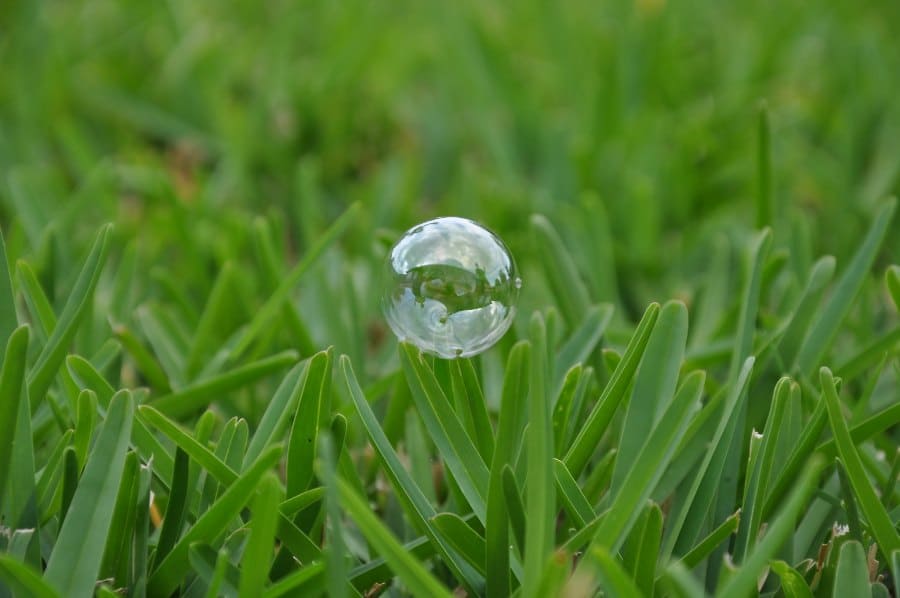
Image Credit: Jay Morgan, Flickr
Bermuda grass — by contrast, is a faster-establisher in warm weather, roots more shallowly during the establishment phase, and requires less water once rooted. Zoysia falls somewhere in between. None of these choices eliminate the mosquito problem. But they affect how long the high-risk establishment window lasts.
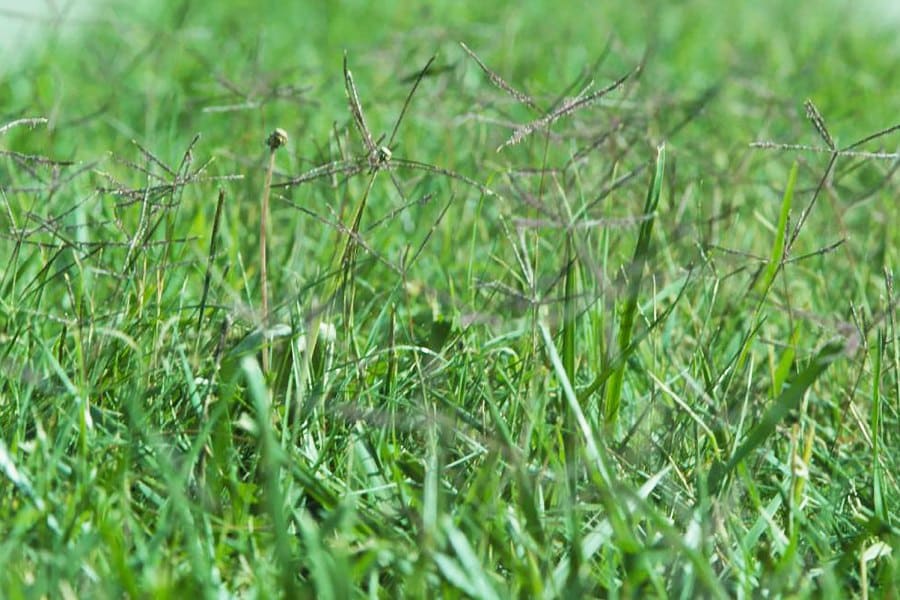
Image Credit: Matt Lavin, Flickr
Zoysia — You actually did include this one briefly (“Zoysia falls somewhere in between”). Worth expanding: it’s a dense, slow-establishing grass that holds moisture similarly to St. Augustine but is more cold-tolerant. Popular in the transition zone (Carolinas, Tennessee, Virginia). The thick mat it forms during establishment is a real mosquito harboring issue.
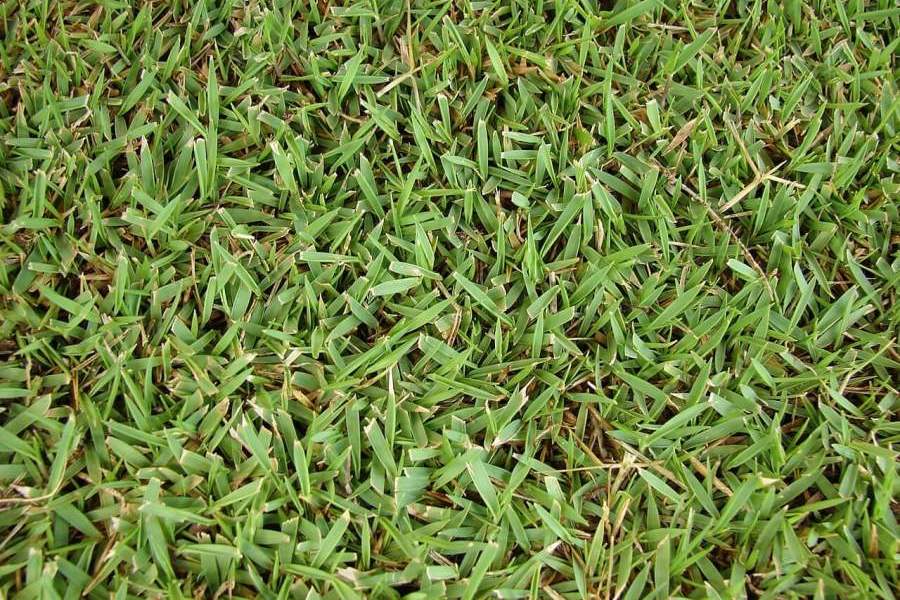
Image Credit: Forest & Kim Starr, Wikimedia Commons
Centipede Grass — Common in the Southeast (Georgia, Alabama, Mississippi). Low-maintenance and slow-growing, which means a longer establishment window with more watering days. That extended wet period is a mosquito risk that Centipede homeowners rarely anticipate.
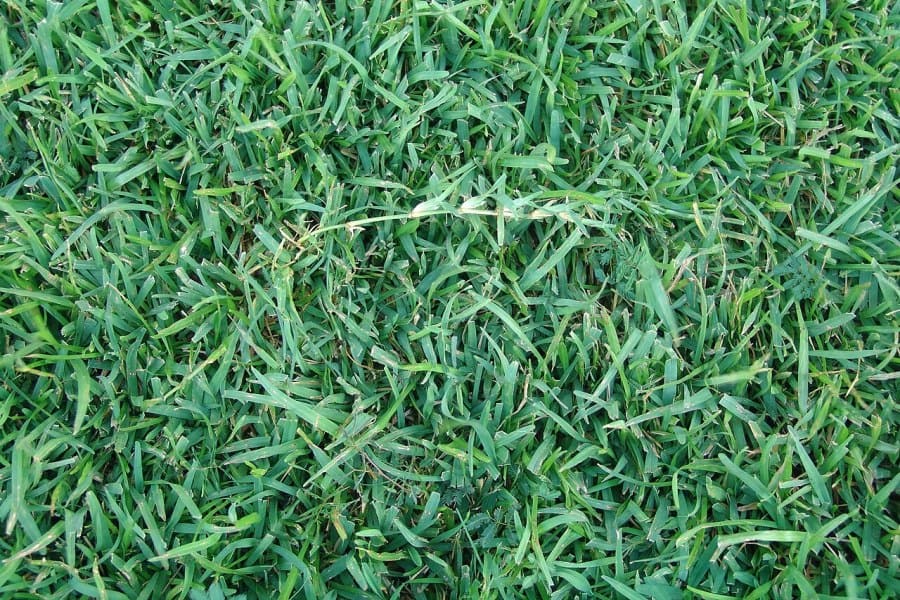
Image Credit: James Becwar, Wikimedia Commons
Bahia Grass — Popular in Florida and the Gulf Coast. Coarser texture, establishes faster than most, and drains better due to its open growth pattern. Lower mosquito risk compared to St. Augustine during establishment — worth mentioning as a relatively safer option in high-mosquito regions.
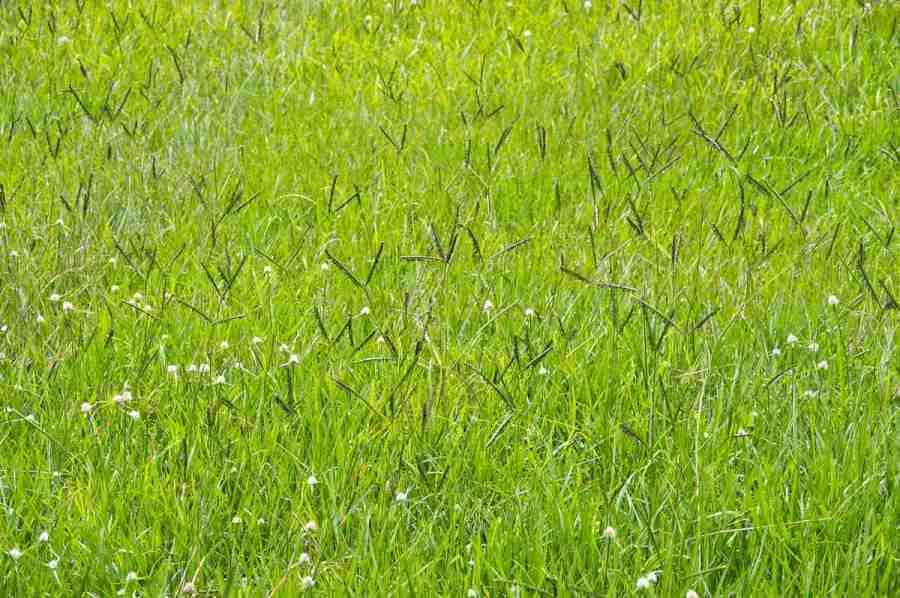
Image Credit: John Robert McPherson, Wikimedia Commons
Tall Fescue — Common in the cooler transition zone and Pacific Northwest. Usually installed in fall, which naturally lowers mosquito pressure. However, its bunching growth habit creates pockets of shade and moisture at soil level that can harbor resting mosquitoes once established.
Kentucky Bluegrass — Northern lawns, upper Midwest, Pacific Northwest. Sod installation typically happens in cooler months, which limits the mosquito window significantly. Less of a concern but worth a brief mention for completeness.
Buffalo Grass — Drought-tolerant, popular in Texas and the Great Plains. Low water needs mean less irrigation during establishment — making it one of the better choices from a mosquito-risk standpoint. Underrated option for homeowners in mosquito-prone but drier climates.
Quick Reference: Mosquito Risk Factors After Sod Installation
Here’s a quick breakdown of the major risk factors and what you can do about each one:
| Risk Factor | Why It Happens | What to Do |
| Standing water in sod seams | Uneven rooting and frequent watering | Check seams after every irrigation; fill low spots |
| Overwatering | New sod needs moisture but schedules are often excessive | Water early morning, reduce to 2–3x/week by week 3 |
| Thatch moisture retention | Sod backing holds water longer than soil | Dethatch after 6–8 weeks when fully established |
| Poor soil drainage | Compaction and low spots from grading | Grade before install, consider French drains |
| Evening watering | Leaves lawn wet all night during peak mosquito activity | Always water before 10 AM only |
| Sod debris left on site | Piles of cut sod hold pooled water | Remove all sod waste same-day as installation |
| Clogged gutters nearby | Water overflows onto new sod edges | Clean gutters before and after sod installation |
When Should You Call a Professional Mosquito Control Service?
I’ll be honest with you: DIY mosquito control works for most situations when you’re diligent about it. But there are times when you need to bring in a pro.
Consider calling a licensed pest control professional if:
- You’ve addressed standing water and watering habits but mosquitoes are still intense after 3–4 weeks
- You live in an area with confirmed West Nile virus, Zika, or other mosquito-borne disease activity (check with your local health department)
- You have large bodies of water — ponds, retention areas, drainage channels — on or adjacent to your property
- You’re planning an outdoor event and need guaranteed control for a specific period
- You notice mosquito larvae in any persistent standing water and BTI products aren’t keeping up
A licensed exterminator can identify breeding sites you’ve missed and apply targeted treatments at the right concentration. They’ll also advise on whether your new sod is safe to treat at its current stage of rooting. Worth the call if you’re in a high-risk region.
From Mosquito Swamp to Backyard Sanctuary: A Realistic Timeline
So when does it get better? Here’s roughly what to expect if you implement the right strategies from the start.
- Weeks 1–2 (Active sod establishment): Highest mosquito risk. Water frequently but only in the morning. Remove all sod debris immediately. Don’t spray any insecticides yet — sod is too fragile. Use Bti in any standing water.
- Weeks 3–4 (Sod beginning to root): Reduce watering to 2–3x per week. Begin perimeter sprays on shrubs and fence lines. Mosquito pressure should start dropping if you’ve fixed the standing water issue.
- Weeks 5–8 (Sod establishing firmly): Transition to a normal watering schedule. Address any remaining low spots in the lawn. Consider targeted lawn insecticide spray for adult mosquitoes. Dethatch if the thatch layer is thick.
- After week 8 (Fully established sod): Resume normal mosquito prevention practices. Mow regularly. Maintain good drainage. Mosquito pressure should be comparable to pre-sod levels — or better, if you’ve also fixed drainage issues.
The Bottom Line on Backyard Mosquitoes After Installing Sod
Backyard mosquitoes after installing sod are a predictable, preventable problem — and the homeowners who struggle the most with it are almost always the ones who didn’t know to look for it in the first place.
The mosquitoes didn’t come because of your sod. They came because of the perfect conditions sod installation creates: standing water, dense moisture, shaded microhabitats, and an irrigation schedule that could double as a mosquito hatchery. Fix those conditions and you fix the problem.
Grade your ground before installation. Clean up debris immediately. Water only in the morning. Use Bti in standing water. Adjust your watering schedule aggressively by week three. Keep gutters clear. And if mosquitoes are still winning after four weeks of diligent effort — call a licensed professional, especially if you’re in a region where mosquito-borne illness is a real seasonal risk.
You spent real money on that lawn. Don’t let a preventable pest problem keep you from enjoying it. Implement these steps this week — not next month, not after the next rain. The mosquito lifecycle moves fast, and the earlier you break it, the easier it is to reclaim your backyard.
Have You Dealt With Backyard Mosquitoes After Installing Sod?
We’d love to hear your experience. What worked for you? What didn’t? Did you try Bti dunks, or go straight to a professional spray service? Drop your story in the comments — your real-world experience might be exactly what another homeowner needs to read right now.
And if this article helped you, share it with a neighbor who just sodded their yard. They probably have no idea what’s about to hatch.
Editorial Team & Contributors

Raashid Ansari, Founder, Content Researcher & Author - MosquiTalk
Not an entomologist — just a genuinely curious writer who started researching mosquitoes and couldn't stop. What began as casual reading about repellents and bite prevention gradually turned into a deep ongoing dive into vector biology, disease epidemiology, animal health impacts, and the real science behind mosquito control. Everything published here is carefully edited, and written with one purpose: giving readers accurate, accessible information they can actually trust and use to protect themselves, their families, and their pets, birds and cattle.
Active across social platforms, regularly publishes, and genuinely invested in spreading mosquito awareness where it matters most. Because informed readers make better decisions — and better decisions save lives.