
Table of Contents
Key Findings (2026 Review)
• Source reduction remains the most cost-effective long-term strategy.
• Professional barrier treatments show faster short-term reduction but higher annual cost.
• CO₂ traps outperform UV traps in field comparisons.
• Integrated approaches show stronger results than single-method use.
1. Introduction
Mosquito control in residential settings involves a range of biological, chemical, mechanical, and environmental approaches with meaningfully different costs, risk profiles, effectiveness windows, and levels of scientific documentation. No single backyard mosquito control method eliminates mosquito populations; effective management typically requires integrating multiple strategies.
This guide updated for 2026, provides a neutral, evidence-based comparison of ten commonly used backyard mosquito control methods. Ratings are derived from published guidance issued by the Centers for Disease Control and Prevention (CDC), the Environmental Protection Agency (EPA), university extension programs, and state mosquito control district publications. Where precise efficacy data are not documented in peer-reviewed literature, qualitative ratings are used.
Key Distinctions
- Preventative methods (source reduction, Bti larvicides) address the mosquito life cycle before adults emerge and are consistently prioritized in public health literature.
- Population reduction methods (CO₂ traps, professional treatment, barrier sprays) reduce existing adult populations with varying degrees of effectiveness and residual duration.
- Short-term relief methods (citronella candles, fans, fogging) reduce immediate nuisance biting without meaningful population-level effects.
Integrated strategies — combining source reduction, larval control, and targeted adult treatment — consistently demonstrate stronger outcomes in public health literature than any single method applied in isolation. This guide is structured to support informed decision-making, not product selection.
2. Evaluation Methodology
Each backyard mosquito control method in this guide is evaluated across six dimensions. Ratings reflect the weight of available peer-reviewed evidence, government agency guidance, and extension service publications as of the last update date. Relevant publications were identified through PubMed, Google Scholar, and the public archives of the CDC, EPA, AMCA, University of Florida IFAS, Texas A&M AgriLife Extension, and Cornell Cooperative Extension.
The review prioritized peer-reviewed field studies published after 2000, with earlier foundational studies retained where they remain the primary published evidence. Gray literature (extension bulletins, government technical guidance) was included where peer-reviewed field data are limited or absent, consistent with standard practice in applied public health reviews.
Users should treat qualitative ratings as informed expert assessments, not formally adjudicated scores.
- Annual Cost: Estimated DIY and professional cost ranges are based on publicly available retail product pricing and representative professional service quotes from U.S. residential markets as of 2025–2026. These are market survey estimates, not independently audited figures. Actual costs vary by region, property size, and provider.
- Effectiveness: Assessed as Preventative (reduces breeding), Population Reduction (reduces adult density), or Short-Term Relief (reduces nuisance biting without population effect). Qualitative ratings: Low / Moderate / High.
- Duration of Impact: How long a single application or action provides measurable benefit. Ranges from ‘during use only’ to ‘ongoing season-long.’
- Safety: Relative risk to children, pets, pollinators, and the broader environment, based on EPA toxicity classifications and extension guidance. ‘High’ safety rating indicates no documented harm to non-target organisms at typical use concentrations; ‘Low’ indicates documented non-target risk requiring label precautions.
- Maintenance Level: Frequency of reapplication, inspection, or operational management required.
- Strength of Scientific Support: Low, Moderate, or High, based on volume and consistency of peer-reviewed field evidence and regulatory documentation. ‘High’ requires multiple independent peer-reviewed field studies with consistent findings. ‘Moderate’ indicates some field evidence but with inconsistency or limited replication. ‘Low’ indicates reliance primarily on laboratory data, extension guidance, or mechanistic reasoning without robust field validation.
Ratings are based on CDC mosquito guidance, EPA pesticide registration data, University of Florida IFAS extension publications, Texas A&M AgriLife Extension resources, Cornell Cooperative Extension, and American Mosquito Control Association (AMCA) documentation. Where state mosquito control district data was reviewed, it is cited accordingly.
3. Effectiveness Comparison Table
The following table summarizes all ten methods across the six evaluation dimensions. Qualitative ratings (Low / Moderate / High) are used where precise quantitative data are not documented in the peer-reviewed record.
| Method | Avg Annual Cost | Effectiveness | Duration | Safety Level | Maintenance | Research Support |
| Standing Water Removal | $0–$20 | High | Ongoing | High | Weekly | High |
| Bti Larvicides (Dunks) | $20–$60 | High | 30 days/app | High | Monthly | High |
| Insecticide Barrier Sprays | $50–$150 DIY | Moderate | 2–4 weeks | Moderate | Bi-weekly | Moderate |
| Professional Yard Treatment | $300–$600/yr | Moderate–High | 2–4 weeks | Moderate | Seasonal | Moderate |
| CO₂ Mosquito Traps | $300–$1,200+ | Moderate | Continuous | High | Weekly | Moderate |
| UV Light Traps | $30–$150 | Low | Continuous | High | Weekly | Low |
| Backyard Fans / Airflow | $30–$200 | Low–Moderate | During use | High | Minimal | Low–Moderate |
| Mosquito-Repellent Plants | $20–$100 | Low | Seasonal | High | Seasonal | Low |
| Adulticide Fogging | $50–$200 DIY | Moderate | Hours–days | Low–Moderate | As Needed | Moderate |
| Citronella Candles | $20–$80 | Very Low | During use | High | None Required | Low |
Note: ‘Effectiveness’ reflects population-level impact. All ratings are relative to the method category and should be interpreted in the context of an integrated management program, not as standalone guarantees.
4. Cost Comparison Table
Cost ranges below reflect typical DIY product costs and representative professional service rates in U.S. residential markets as of 2025–2026. Actual costs vary by region, property size, and product selection. Ranges should be used for planning purposes only.
| Method | DIY Cost Range | Professional Cost Range | Maintenance Frequency |
| Standing Water Removal | $0–$20 (tools/Bti optional) | N/A (DIY only) | Weekly inspection |
| Bti Larvicides (Dunks) | $20–$60/season | Included in some programs | Monthly per-water-body |
| Insecticide Barrier Sprays | $50–$150/season | $75–$175 per application | Every 2–4 weeks |
| Professional Yard Treatment | N/A | $300–$600/season (pkg) | Seasonal schedule |
| CO₂ Mosquito Traps | $300–$1,200+ (unit cost) | $500–$1,500+ installed | Weekly propane/CO₂ refill |
| UV Light Traps | $30–$150 (unit cost) | N/A (DIY or basic units) | Weekly cleaning |
| Backyard Fans | $30–$200 (unit cost) | N/A | Minimal; seasonal storage |
| Mosquito-Repellent Plants | $20–$100 (planting cost) | N/A | Seasonal care |
| Adulticide Fogging | $50–$200/season (fogger+product) | $50–$150 per service | As needed / post-rain events |
| Citronella Candles | $20–$80/season | N/A | Replace as burned |
5. Backyard Mosquito Control Methods: Detailed Analysis
The following sections provide structured analysis of each method, including mechanism of action, effectiveness, cost, safety, and research support. Each section includes documented limitations.
METHOD #1. Standing Water Removal (Source Reduction)
How It Works
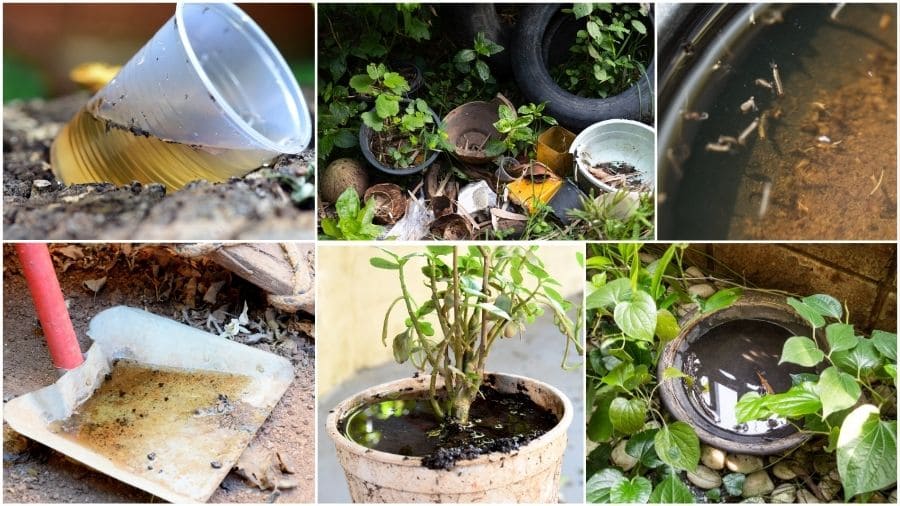
Source reduction eliminates mosquito breeding habitat by removing, draining, or treating standing water before eggs hatch. Female mosquitoes require standing water to lay eggs; larvae and pupae are entirely aquatic. Even small accumulations — water pooled in a clogged gutter, an overturned lid, or a neglected container — can support larval development to adulthood within approximately one to two weeks under warm conditions; exact duration varies with temperature and species.
Effectiveness Analysis
Source reduction is widely regarded by public health entomologists as the highest-priority mosquito control strategy because it addresses the reproductive cycle directly. It does not require pesticides and, when conducted consistently, can substantially reduce local mosquito populations over a full season. Effectiveness is contingent on thoroughness and consistency; a single missed container can sustain ongoing breeding.
Cost Overview
For most homeowners, source reduction is essentially free or very low cost. It may involve the purchase of mosquito dunks for unavoidable water features ($10–$30) and basic tools. It requires no specialized equipment.
Safety Considerations
No chemical exposure. No risk to pollinators, pets, or children. No regulatory restrictions. This is the recommended first step in any integrated mosquito management program.
Best Use Case
All residential settings. Particularly impactful in suburban and rural environments with dispersed breeding sources. Should be implemented before any chemical control is considered.
Scientific Support Summary
Extensively documented in CDC guidance, the American Mosquito Control Association (AMCA), and state extension publications. Universally recommended as the foundational tier of integrated vector management.
Limitations
Effectiveness depends on homeowner compliance and frequency of inspection — typically weekly. Cannot address off-property breeding sources (neighbors’ yards, storm drains, natural wetlands). Drainage features, low-lying areas, and irrigation infrastructure require special attention.
METHOD #2. Bti Larvicides (Mosquito Dunks)
How It Works
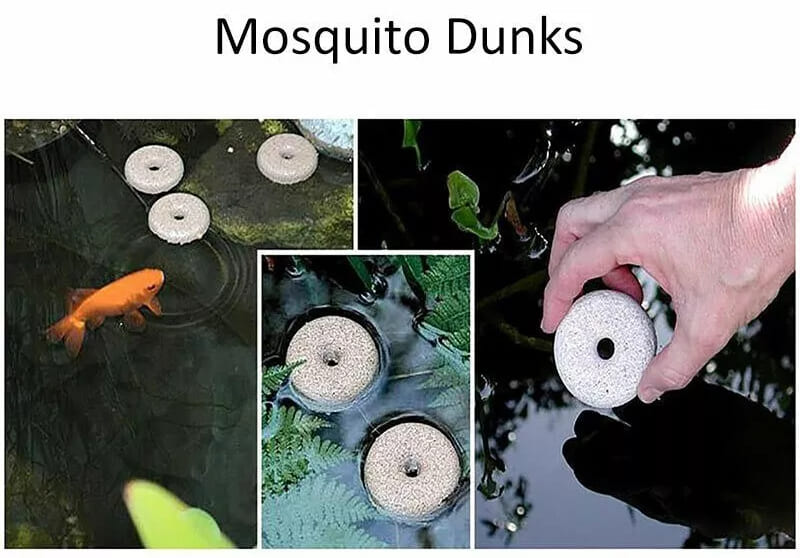
Bacillus thuringiensis israelensis (Bti) is a naturally occurring soil bacterium that produces toxins lethal to mosquito larvae. When ingested by larvae, the toxins disrupt the larval gut, causing death before pupation. Bti products are formulated as briquettes (“dunks”), granules, or liquid concentrate and are applied directly to standing water.
Effectiveness Analysis
Bti is considered one of the most effective larvicidal tools available for residential use. Briquette formulations are rated by manufacturers as active for up to approximately 30 days per application under favorable conditions; actual duration varies with temperature, UV exposure, and water turbidity. Laboratory and field studies consistently demonstrate high larval mortality rates when used as directed. Effectiveness is specific to larval stage — it has no effect on adult mosquitoes.
Cost Overview
Bti products are widely available at hardware stores. A seasonal supply of briquettes for a typical residential property typically costs $20–$60. No specialized equipment or professional application is required.
Safety Considerations
Bti has a well-documented safety profile. It is toxic to mosquito and black fly larvae but has not been shown to harm fish, wildlife, birds, bees, or non-target insects at application concentrations. It is approved by the EPA for use in water sources including those used by wildlife and livestock.
Best Use Case
Unavoidable standing water: ornamental ponds, rain barrels, birdbaths, tree cavities, retention ponds, catch basins, and drainage ditches. Should be used in conjunction with source reduction.
Scientific Support Summary
Strong research base. Extensively studied by the EPA, WHO, and academic institutions. Recommended by CDC, AMCA, and University of Florida IFAS as a primary larvicidal tool.
Limitations
Manufacturer-rated activity of approximately 30 days per application should be treated as an upper bound; reapplication may be needed earlier depending on temperature, debris, and water conditions. Effective only at larval stage; does not address existing adult populations. Granular formulations may require more frequent reapplication in areas with heavy debris.
METHOD #3. Insecticide Barrier Sprays
How It Works
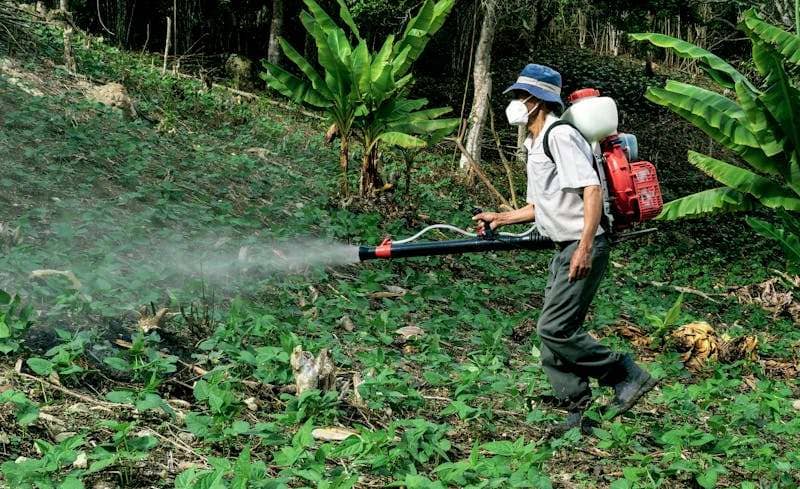
Synthetic pyrethroid insecticides (commonly bifenthrin, permethrin, or lambda-cyhalothrin) are applied to vegetation, particularly shrubs, grass lawns, and shaded resting areas where adult mosquitoes hide during the day. Mosquitoes contact the residual insecticide when landing on treated surfaces.
Effectiveness Analysis
Residual effectiveness is typically documented at 2–4 weeks per application, depending on product formulation, UV exposure, and rainfall. Pyrethroid sprays provide meaningful adult population reduction in the treated area for the active period. Effectiveness ratings in public health literature are generally characterized as moderate, as re-infestation from surrounding untreated areas is common.
Cost Overview
DIY application requires a pump sprayer and concentrate or ready-to-use products: approximately $50–$150 per season for a typical suburban yard. Professional application typically ranges from $75–$175 per application, with many companies offering seasonal contracts.
Safety Considerations
Pyrethroids are toxic to bees, aquatic invertebrates, and fish. Application should avoid flowering plants and must not be applied directly to or near water bodies. Re-entry intervals should be observed per label instructions. Keep pets away during application and allow treated areas to dry before re-entry. Compliance with EPA label directions is legally required.
Best Use Case
Situations requiring rapid adult population reduction prior to outdoor events, or as a component of an integrated program during peak season. Most effective when combined with source reduction and larviciding.
Scientific Support Summary
Moderate research support. Effectiveness is well-documented over short timeframes; long-term population reduction without integrated management is less consistently supported.
Limitations
Temporary effect; reinfestation occurs without repeat applications. Non-target impacts on pollinators and beneficial insects are a documented concern. Products must be used strictly per EPA label.
METHOD #4. Professional Yard Treatment
How It Works
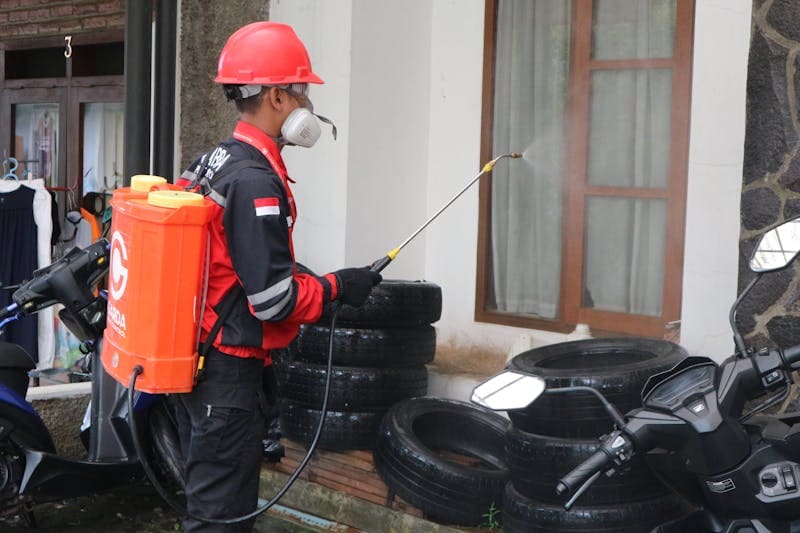
Licensed pest management professionals apply residual pyrethroid or organic-certified insecticides (such as cedar oil or rosemary oil-based products in some cases) using backpack mist blowers, vehicle-mounted sprayers, or compressed air equipment. Treatments typically target resting sites: understory vegetation, dense shrubs, and shaded lawn perimeters. Some services also include larval source inspection and Bti application.
Effectiveness Analysis
Professional applications typically use equipment capable of more thorough coverage than DIY pump sprayers, and application by licensed technicians may reduce variability in coverage quality. Perceptible reductions in nuisance biting are reported during the active residual period (approximately 2–4 weeks per application), though this is based primarily on self-reported consumer outcomes rather than controlled trials. Controlled scientific comparisons between professional and DIY applications in residential settings are limited in the peer-reviewed literature.
Cost Overview
Professional mosquito treatment programs typically range from $300–$600 or more per season for multi-application packages, depending on property size, geography, and provider. Individual applications range from approximately $75–$175.
Safety Considerations
Same considerations as barrier sprays. Reputable companies are licensed applicators subject to state pesticide regulations and must apply products per EPA-registered labels. Some services offer organic or reduced-risk product options; confirm product details with the provider.
Best Use Case
Homeowners who prefer not to self-apply, those with large or complex properties, or those seeking integrated programs that include inspection, larviciding, and adult control in a single contract.
Scientific Support Summary
Moderate research support; effectiveness is broadly consistent with residual pyrethroid research. Third-party peer-reviewed evaluations of specific commercial programs are limited.
Limitations
Higher cost than DIY. Environmental concerns with repeated pyrethroid applications remain. Seasonal contracts require access to the property on a recurring schedule. Effect duration is similar to DIY barrier sprays.
METHOD #5. CO₂ Mosquito Traps
How It Works
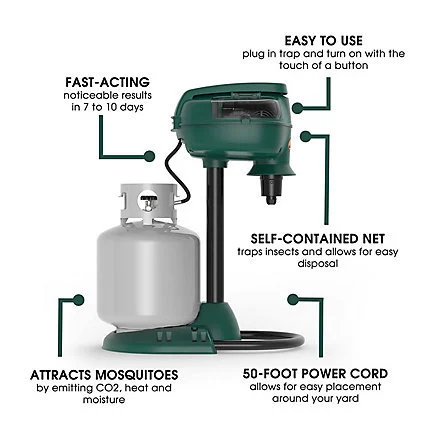
CO₂ traps simulate human and animal breath — a primary mosquito attractant — by releasing carbon dioxide, often in combination with heat, moisture, or chemical lures (octenol, nonanal). Attracted mosquitoes are captured in a net or collection bag via a vacuum fan. Continuous operation over time is intended to reduce the local breeding population by removing gravid females before oviposition.
Effectiveness Analysis
Field studies show variable results. Some trials have documented meaningful reductions in landing rates in the vicinity of operating mosquito traps over extended periods of time when used consistently across multiple seasons. However, effectiveness is strongly dependent on species composition, property configuration, prevailing wind direction, and placement. Results in peer-reviewed literature are inconsistent. Traps should be considered one component of an integrated program, not a standalone solution.
Cost Overview
Initial equipment cost ranges from approximately $300 to over $1,200 for premium units. Ongoing costs include propane or CO₂ cartridges, lures, and collection bag replacement. Annual operating costs typically range from $100–$300 depending on unit type and usage.
Safety Considerations
No pesticide exposure. No risk to non-target insects unless lures specifically attract them. Occupies a fixed outdoor location; proper placement away from primary use areas is recommended to avoid drawing mosquitoes toward activity zones during setup.
Best Use Case
Properties with consistent mosquito pressure from adjacent natural areas where source reduction is not feasible. Most effective when operated continuously across the entire mosquito season, placed along mosquito flight paths.
Scientific Support Summary
Moderate and mixed. Several field studies support population-level effects over multi-season operation. Effectiveness claims from manufacturers often exceed independently documented results; consumers should consult university extension evaluations rather than product marketing materials.
Limitations
High equipment and operating cost. Results vary substantially by property and species. Require regular maintenance. May attract mosquitoes from beyond the property perimeter into the yard during operation.
METHOD #6. UV Light Traps
How It Works
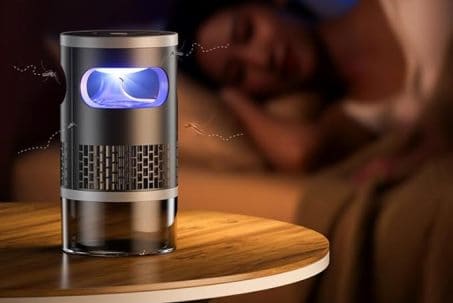
UV light traps use ultraviolet light to attract insects, which are then killed by an electric grid or captured by a fan and collection bag. These devices are marketed for outdoor use as mosquito control tools. The underlying assumption is that mosquitoes are attracted to UV light in a manner similar to moths and other insects.
Effectiveness Analysis
The evidence base for UV-only light traps as mosquito control tools is weak. Peer-reviewed research has consistently found that the majority of insects captured in UV traps are non-target species — primarily harmless and beneficial moths, beetles, and other insects. Mosquitoes do not exhibit strong attraction to UV light alone; they are mainly attracted to CO₂, heat, moisture, and host odors rather than light.
Cost Overview
Units range from approximately $30–$150 for consumer-grade products. Operating costs are minimal (electricity).
Safety Considerations
No pesticide exposure. The primary concern is the disproportionate capture of non-target beneficial insects, including pollinators attracted to nearby light sources at night.
Best Use Case
Indoor or screened porch environments where any insect reduction is marginally useful. Not recommended as a primary outdoor mosquito control strategy.
Scientific Support Summary
Low. Studies examining UV trap captures have found them to be largely ineffective at reducing mosquito populations, and potentially harmful to beneficial insect populations.
Limitations
Not well-matched to mosquito behavior. Captures mostly non-target insects. Provides no residual effect. Should not be relied upon as a primary control method outdoors.
METHOD #7. Backyard Fans / Airflow Disruption
How It Works
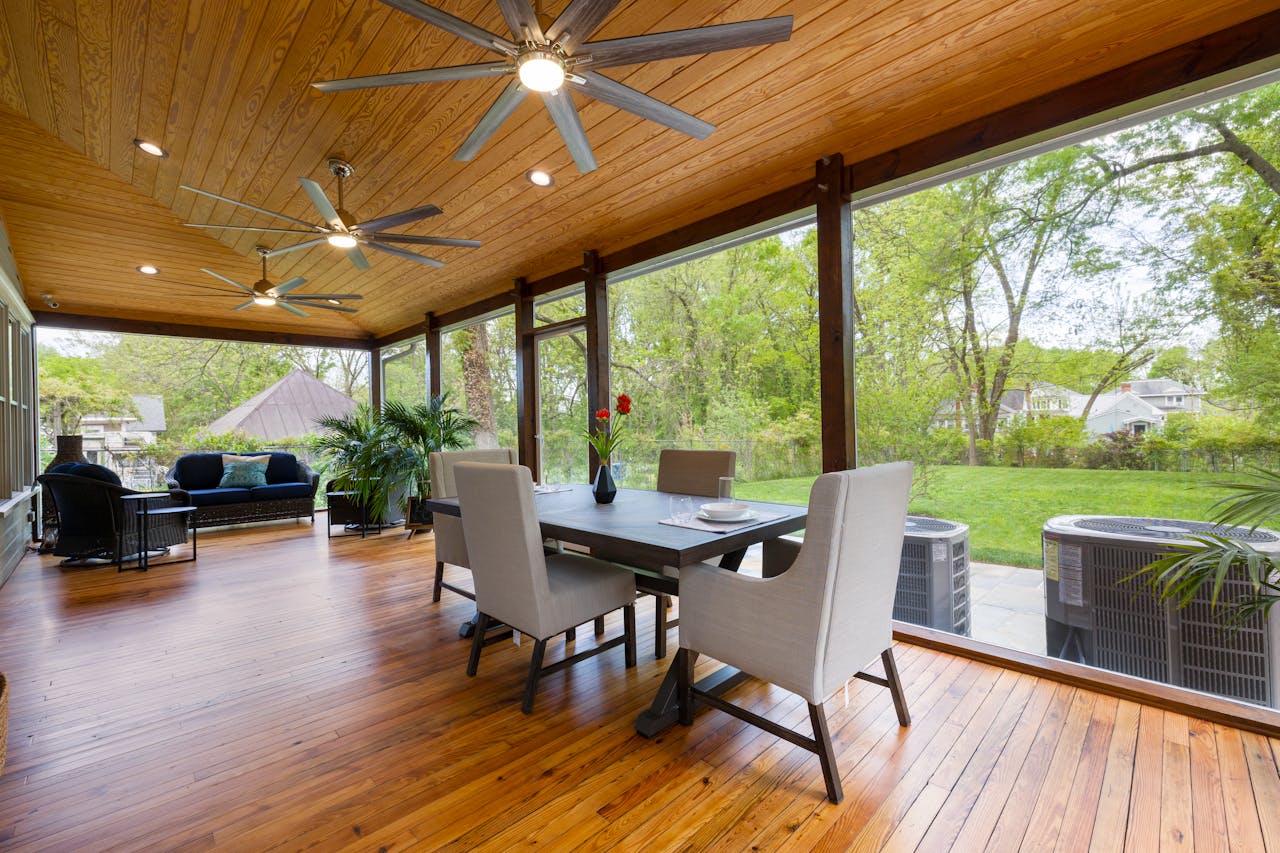
High-speed fans create air currents that physically impede mosquito flight. Mosquitoes are weak fliers and are disrupted by low wind speeds; field and laboratory observations suggest that even modest airflow (in the range of 1–2 mph or greater) can meaningfully reduce host-seeking behavior. Fans also dilute the CO₂ and odor plumes that mosquitoes use to locate hosts, reducing the effective detection range. The supporting research for this mechanism is limited in scale; no large peer-reviewed trials have evaluated fan deployment as a formal mosquito management strategy.
Effectiveness Analysis
In controlled settings, fans have been shown to reduce mosquito landing rates during operation. However, protection is limited to the immediate airflow zone and provides no residual effect when the fan is off. Fans do not reduce the mosquito population — they only temporarily disrupt access to a specific area.
Cost Overview
Outdoor fans suitable for patio or deck use range from approximately $30–$200. No ongoing product costs beyond electricity.
Safety Considerations
No chemical exposure. No impact on non-target species. Safe for use around children, pets, and pollinators.
Best Use Case
Outdoor seating areas, patios, and decks during active use periods. Most effective as a supplementary comfort measure during outdoor gatherings rather than a mosquito population-control strategy.
Scientific Support Summary
Low to moderate. Supporting research exists for the fan-as-barrier concept, though studies are limited in scope and duration. Not formally evaluated in large-scale mosquito control programs.
Limitations
No population reduction effect. Protection is limited to the immediate area in the airflow zone. Not practical for large outdoor spaces. Ineffective when ambient wind is already elevated.
METHOD #8. Mosquito-Repellent Plants
How It Works
Certain plants, including citronella (Cymbopogon nardus), lavender, lemon balm, basil, catnip, and marigolds, are reported to produce volatile compounds that may repel mosquitoes. The theory is that planting these species near outdoor areas will create a mosquito-deterrent environment.

Effectiveness Analysis
Laboratory research has demonstrated that essential oil extracts from some of these plants exhibit mosquito-repellent properties at concentrated doses. However, the passive release of volatiles from intact plants under field conditions is substantially lower than the concentrations shown to be effective in laboratory settings. Peer-reviewed field evidence for whole-plant mosquito deterrence in outdoor environments is limited and generally weak.
Cost Overview
Initial planting cost ranges from approximately $20–$100 depending on variety and quantity. Plants may require annual replanting or general garden maintenance throughout the season.
Safety Considerations
No pesticide exposure. Most plants listed are non-toxic to pets and children and are beneficial to pollinators (lavender, marigolds). No regulatory considerations.
Best Use Case
A low-cost supplementary element in an integrated strategy, or for homeowners seeking chemical-free landscaping options. Should not replace source reduction or larviciding.
Scientific Support Summary
Low for field effectiveness of whole plants. Moderate for the active compounds in extract form. Research does not support the use of plants as a primary control method.
Limitations
Field effectiveness not well-supported by controlled studies. The concentration of volatile repellents released naturally is generally below the threshold shown effective in laboratory conditions. May provide marginal benefit as part of a broader strategy.
METHOD #9. Adulticide Fogging
How It Works
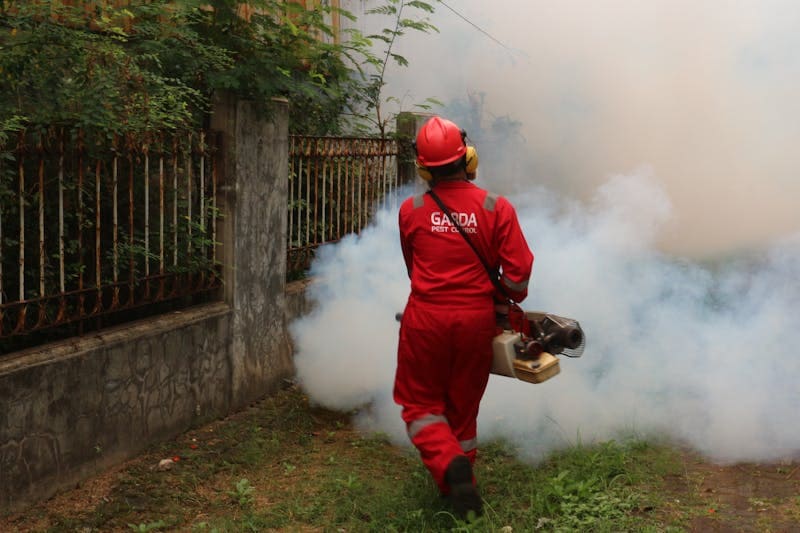
Thermal or cold foggers atomize insecticide (typically pyrethrins, pyrethroids, or naled) into fine droplets that penetrate vegetation and briefly contact resting or flying adult mosquitoes. Applications can be conducted as vehicle-mounted (municipal) or handheld/backpack foggers (residential). Adult knockdown occurs during the application period and continues for hours to approximately 24–72 hours post-treatment, depending on formulation, temperature, and wind conditions.
Effectiveness Analysis
Fogging is effective at rapidly reducing adult mosquito density in a treated area during and shortly after application. However, residual effect is short — typically hours to a few days — as the droplets do not leave a meaningful residual on surfaces. Fogging does not address larval populations and without integrated larval control, adult populations rebound relatively quickly.
Cost Overview
Consumer fogger units range from approximately $30–$100. Insecticide concentrate adds $20–$100 or more per season. Professional fogging services typically range from $50–$150 per application.
Safety Considerations
Fogging products require more caution than barrier sprays regarding exposure timing. Re-entry intervals must be observed. Pyrethrins and pyrethroids are toxic to bees, aquatic invertebrates, and fish. Do not apply near water bodies or flowering plants. Risk to non-target insects is elevated due to the broadcast nature of fogging.
Best Use Case
Rapid knockdown prior to a specific outdoor event. Emergency response to a sudden increase in adult mosquito pressure. Most effective as a short-term measure when combined with ongoing larval control.
Scientific Support Summary
Moderate for short-term adult knockdown. Evidence for sustained population-level effect from residential fogging alone is limited.
Limitations
Very short residual. Significant non-target impact potential. Cannot address larval populations. Requires PPE during application and observation of re-entry intervals. Frequent fogging as a primary strategy is not consistent with integrated vector management principles.
METHOD #10. Citronella Candles
How It Works
Citronella candles and torches burn citronella oil, a plant-derived compound with documented mosquito-repellent properties in concentrated form. The intent is to create a zone of repellent vapor sufficient to deter mosquitoes in the immediate vicinity of the burning candle.

Effectiveness Analysis
Controlled studies evaluating citronella candles have generally found limited and inconsistent protection. Research published in peer-reviewed journals has found that citronella candles may reduce mosquito landing rates marginally under calm, confined conditions, but the effect is substantially lower than that of EPA-registered personal repellents and does not extend more than a very short distance from the candle.
Cost Overview
Consumer citronella candles and torches range from approximately $20–$80 per season. No professional application is available or applicable.
Safety Considerations
Generally safe for use around people and pets in ventilated outdoor settings. Open flame precautions apply. Smoke output may be irritating to some individuals.
Best Use Case
A marginal supplementary comfort measure for small outdoor seating areas during calm conditions. Not a substitute for personal repellent or structural mosquito control measures.
Scientific Support Summary
Low. While citronella oil itself has documented repellent activity at higher concentrations, the delivery mechanism of a candle releases concentrations substantially below those shown effective in laboratory evaluations.
Limitations
Very limited protection range. Highly sensitive to ambient wind, which rapidly disperses any localized repellent effect. Provides no population reduction. Should be regarded as a low-evidence comfort supplement rather than a primary or reliable mosquito control strategy for outdoor environments.
6. Mosquito Control Methods With Limited Scientific Support
Several mosquito control products are widely marketed to residential consumers despite limited or inconsistent peer-reviewed evidence for effectiveness. This section identifies three categories of concern. This is not intended as a consumer advisory against all use, but as a factual summary of the current evidence base.
6.1 Ultrasonic Repellers
Electronic ultrasonic devices claim to repel mosquitoes by emitting high-frequency sound waves. Published studies have not found evidence that ultrasonic devices meaningfully reduce mosquito landing or host-seeking behavior in field conditions. The EPA does not register ultrasonic devices as pesticide products, and their claims are not subject to the same efficacy review as registered pesticides. A 2007 Cochrane systematic review found no evidence that electronic repellers prevent mosquito bites, and independent academic reviews have reached the same conclusion.
6.2 Reliance on Repellent Plants as a Primary Strategy
As discussed in Section 5.8, while plant-derived essential oil extracts demonstrate repellent activity in laboratory conditions, the passive release of volatile compounds from intact plants in garden settings does not achieve concentrations shown effective in controlled studies. Citronella grass, catnip, and lavender have all been studied; none have demonstrated reliable field-level repellency from whole plants alone. These plants may offer marginal benefit as part of an integrated strategy but should not be presented as a primary control method.
6.3 UV Light Traps Without CO₂ (Outdoor Use)
UV light traps capture insects attracted to ultraviolet light, but mosquitoes are not primarily phototactic (light-seeking) in the way moths and beetles are. Their host-seeking behavior is driven predominantly by CO₂, heat, moisture, and body odors. Peer-reviewed evaluations of UV-only light traps have found that non-target species — often beneficial insects — constitute the majority of captures, while mosquito capture rates are low relative to the insects destroyed. Traps incorporating CO₂ lures have a stronger evidence base (see Section 5.5); UV-only traps do not.
7. Integrated Backyard Mosquito Management Strategy
Public health entomology and vector control programs use an approach called Integrated Vector Management (IVM), which combines multiple complementary strategies to achieve sustained mosquito population reduction while minimizing chemical inputs and non-target impacts. The CDC and WHO both advocate for IVM as the standard framework for mosquito control.
The Core IVM Principle
No single control method is sufficient. Sustainable reduction requires:
- Source reduction to eliminate breeding habitat (foundational, ongoing)
- Larval control (Bti) to address remaining breeding sites
- Targeted adult control only when and where warranted by population levels
- Monitoring to assess whether actions are having the intended effect
Practical Homeowner Adaptation
For residential properties, an IVM-informed approach would typically follow this sequence:
- Weekly: Inspect and eliminate standing water. Tip and toss containers holding water for more than five to seven days.
- Monthly: Apply Bti (mosquito dunks or granules) to any unavoidable standing water sources.
- Seasonally: Apply residual barrier spray to vegetation resting sites at peak season, if needed. Combine with mechanical disruption (fans) for outdoor event protection.
- As needed: Short-term fogging only for event-based knockdown; not as a routine substitute for source reduction.
Research consistently shows that source reduction combined with larval control produces more durable reductions in adult mosquito populations than adult-targeting strategies alone.
8. Safety & Environmental Considerations
Pollinator Impact
Synthetic pyrethroid insecticides — used in barrier sprays, professional treatments, and adulticide fogging — are toxic to bees and other beneficial insects. The EPA requires label language addressing pollinator protection on all registered pyrethroid products. Applicators should avoid treating flowering plants and should apply products during early morning or evening hours when pollinators are less active. Organic or reduced-risk alternatives (plant oil-based products) have lower pollinator toxicity profiles but correspondingly shorter residual periods.
Water Contamination Risk
Pyrethroid insecticides used in residential mosquito control — and certain organophosphate compounds used in some municipal applications (such as naled or malathion) — are toxic to aquatic invertebrates and fish at low concentrations. Note that pyrethroids and organophosphates are distinct chemical classes; most residential barrier spray products use pyrethroids, not organophosphates. EPA label directions prohibit direct application to water bodies or areas where runoff will reach water. Homeowners using barrier sprays should maintain buffer zones from storm drains, ponds, and streams per product label instructions.
Chemical Exposure
EPA-registered pesticides used as directed represent assessed risk levels the agency has determined to be acceptable for registered uses. That said, minimizing unnecessary chemical applications is consistent with the integrated management philosophy. Personal repellents applied to skin (DEET, Picaridin, IR3535, Oil of Lemon Eucalyptus) are regulated separately and have strong safety and efficacy profiles when used as directed.
Regulatory Guidelines
All pesticide products applied for mosquito control must be used in compliance with their EPA-registered label, which constitutes a legally binding federal document. Applicators — DIY or professional — are required by law to follow all label directions for application rate, target site, and re-entry interval. The EPA provides general pesticide safety guidance through its mosquito control documentation.
Frequently Asked Questions (FAQs)
What is the most effective backyard mosquito control method?
For long-term population reduction, the combination of consistent source reduction (eliminating standing water) and Bti larvicide application to unavoidable water sources is most strongly supported by peer-reviewed evidence. Neither method alone is as effective as both used together. For immediate adult population reduction, residual barrier sprays or professional treatment provide the most documented short-term effect, with limitations noted in their respective sections.
Is professional mosquito treatment worth the cost?
Professional treatment offers convenience, equipment coverage, and the assurance of licensed application. In terms of documented effectiveness per application, results are broadly consistent with properly applied DIY barrier sprays using equivalent products. The cost differential is substantial.
Homeowners with large or complex properties, limited mobility, or those who prefer professional liability may find the investment worthwhile. Homeowners primarily concerned with cost-effectiveness may achieve comparable results through a consistent DIY integrated program.
Are mosquito traps effective?
CO₂-based traps have demonstrated measurable population-level effects in some field studies when operated continuously across a full season, particularly for species that are strongly attracted to CO₂ lures. Results are inconsistent and strongly influenced by species composition, placement, and property characteristics. UV-only light traps without CO₂ have not demonstrated meaningful mosquito capture in peer-reviewed evaluations. No trap should be expected to provide the level of control achievable through source reduction and Bti.
Do citronella candles actually work?
In limited conditions — calm air, small area, close proximity to the candle — citronella products may provide marginal reductions in mosquito landing activity. Peer-reviewed studies have found their protective effect to be substantially less than that of EPA-registered personal repellents. Ambient wind effectively negates any localized repellent concentration. They should be regarded as a comfort supplement rather than a reliable protection strategy.
How often should backyard treatment be done?
Frequency depends on the method. Source reduction (standing water removal) should be conducted on a weekly basis throughout the active mosquito season. Bti should be reapplied approximately every 30 days or after major rain events that may flush treated water sources.
Residual barrier sprays are typically active for 2–4 weeks, with reapplication aligned to that window during peak season. Fogging should be reserved for specific event-based knockdown rather than routine use. Year-round attention is warranted in subtropical climates (South Florida, Hawaii, Gulf Coast).
References:
[1] Centers for Disease Control and Prevention (CDC). Mosquito Control. Available at: https://www.cdc.gov/mosquitoes/prevention/index.html
[2] University of Florida IFAS Extension. Mosquito Management in Florida. Available at: https://edis.ifas.ufl.edu
[3] American Mosquito Control Association (AMCA). Integrated Mosquito Management. Available at: https://www.mosquito.org/page/imm
[4] U.S. Environmental Protection Agency (EPA). General Information about Mosquitoes. Available at: https://www.epa.gov/mosquitocontrol
[5] Texas A&M AgriLife Extension. Mosquitoes. Available at: https://agrilife.org/urban/mosquitoes
[6] Cornell Cooperative Extension. Mosquito Management for Homeowners. Cornell University. Available at: https://cals.cornell.edu/cornell-cooperative-extension (consult local county CCE office for state-specific publications).
[7] Kline, D.L. (2007). Traps and Trapping Techniques for Adult Mosquito Control. Journal of the American Mosquito Control Association, 22(3), 490–502.
[8] Fradin, M.S. & Day, J.F. (2002). Comparative Efficacy of Insect Repellents against Mosquito Bites. New England Journal of Medicine, 347(1), 13–18. Note to journalists: This study evaluated personal repellents and briefly tested citronella candles. It is cited in this guide where its findings are directly applicable (repellent products, citronella candle field comparison). For plant repellent biology, UV trap behavior, and ultrasonic device assessments, citations [2], [3], [7], and [9] are the primary supporting sources; AMCA and extension guidance [2][3] inform remaining qualitative assessments.
[9] Enayati, A.A., Hemingway, J., & Garner, P. (2007). Electronic mosquito repellents for preventing mosquito bites and malaria infection. Cochrane Database of Systematic Reviews, (2), CD005434. (Systematic review finding no evidence for electronic repeller effectiveness.)
[10] Cilek, J.E., & Schreiber, E.T. (1994). Diel host-seeking activity of Aedes albopictus and Aedes aegypti in northern Florida: relationship to fan deployment. Journal of the American Mosquito Control Association, 10(3), 396–400. (Documents influence of airflow on host-seeking behavior; cited in context of fan effectiveness discussion.)
Journalist Citation Guidance: When citing this guide, note that all effectiveness ratings are qualitative assessments based on the weight of publicly available evidence as of February 2026. Ratings labeled ‘Moderate’ or ‘Low’ in the Research Support column indicate methods with limited or inconsistent peer-reviewed field validation; these should not be characterized as ‘proven effective’ or ‘ineffective’ in news coverage without appropriate qualification. Cost ranges are market estimates, not audited figures. All specific disease surveillance statistics referenced in this document should be verified against current CDC ArboNET data before publication.
Disclaimer: This guide is intended for general informational and research purposes. It does not constitute pesticide application advice or a professional recommendation. All product applications must comply with EPA-registered label directions. Consult a licensed pest management professional for property-specific recommendations.
