
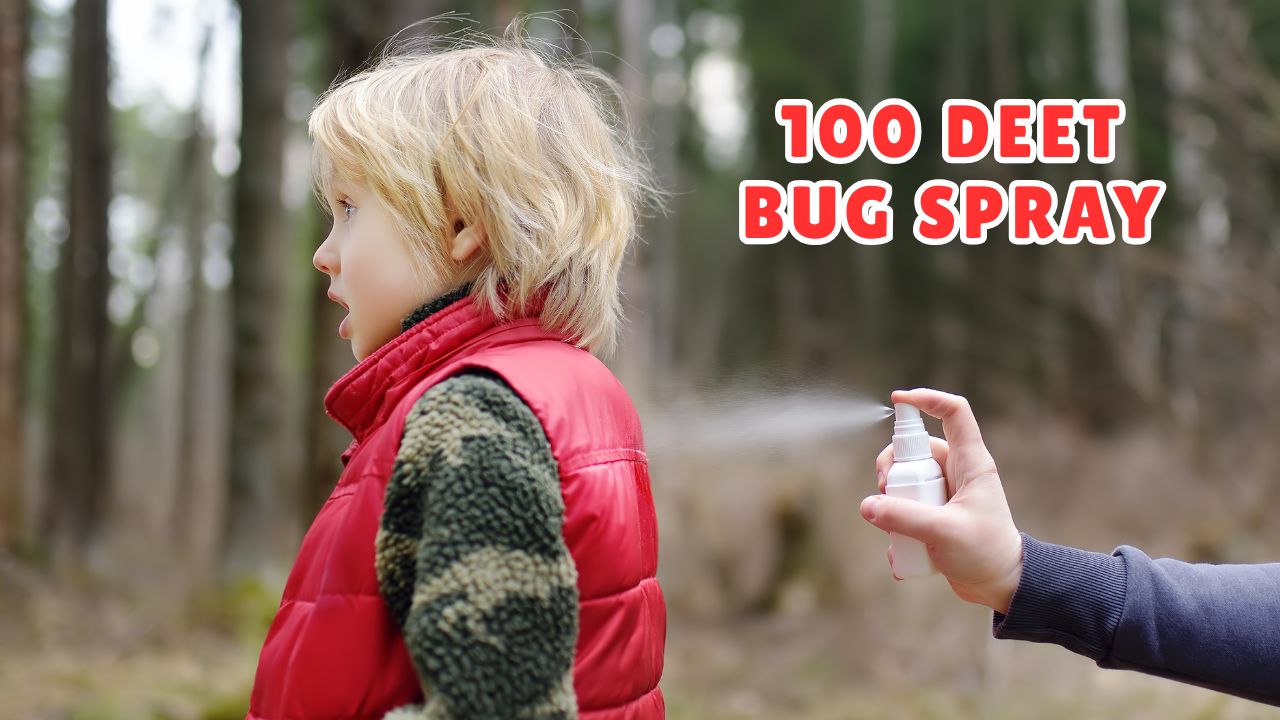
Specifically crafted for customers who work in extreme insect infested areas like woods, swamps, and heavily infested terrains, 100% DEET bug spray is the most intense personal insect repellent and is specially designed for maximum, long-lasting protection. This guide explains the features and benefits, application, safety, and alternatives of 100 DEET Bug Spray.
What Is 100% DEET Insect Repellent?
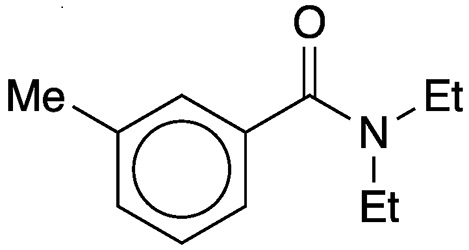
100% DEET bug spray is a type of bug repellent containing N,N-diethyl-meta-toluamide (DEET) in almost its pure form (98%-100% concentration). It is capable of providing the strongest protection against a wide range of insects such as mosquitoes, ticks, flies and others. DEET has been, and still is, the standard in personal insect repellent as it was used for military personnel from the 1940s till today.
DEET is an oily and slightly yellow liquid that is designed to be used directly on the skin and clothing. Unlike insecticides, DEET does not kill bugs but instead blocks them from using their sensory dismemberment to target humans. It is an extremely effective and reliable product, with over 500 million applications worldwide.
The Science Behind DEET Insect Repellent Formulations
Formulations labeled as “100% DEET” can provide almost a complete barrier for 10 hours, drastically minimizing the chances of being bitten, even in the midst of mosquitoes, ticks, and other bugs. While lower concentrations (10-50%) tend to be the most common, they do not offer the same amount of protection during extreme conditions.
While the chemical protection mechanism of DEET is highly effective, particularly in high concentrations, It is still important to utilize the product in the correct manner to avoid skin contact in designated areas, absorbable clothing garments and environmental settings, to retain its effectiveness.
Ultra Strong Insect Repellent: Features of 100 DEET Bug Spray
a) Maximum Strength for Outdoor Adventures
Sprays that contain 100% DEET are considered ultra strong insect repellents, and the strongest any regulatory body in any nation is allowed to produce. Such products tend to be used by professionals and adventurers.
- Campers and backpackers in the middle of and at night in thick forests
- Hunters who have to walk through tall grass and are at risk of being bitten by ticks.
- Travelers in tropical and sub tropical areas of the world that are prone to diseases.
- Field workers, be it of the army or scientists, who have to travel for their work.
The 100% DEET bug sprays are extremely strong, and are totally different than the regular repellents one would use, and are perfect for places where bugs are a great nuisance, or where bugs are a great risk due to the diseases they can carry.
b) Broad-Spectrum Defense Against Disease-Carrying Insects
DEET reliably deters a huge spectrum of biting insects:
- Mosquitoes (including those carrying Zika, dengue, malaria, and West Nile virus)
- Ticks (Lyme disease, Rocky Mountain spotted fever)
- Fleas (potentially plague carriers)
- Chiggers, biting mites, blackflies, leeches
The protection conferred by a tick prevention spray with high DEET content makes it indispensable in locations where mosquito and tick populations explode, or where public health threats are tied to insect-borne illnesses.
c) Hours of Extended Protection
Research shows that the 100 DEET bug spray formulas can deliver up to 10 hours of uninterrupted shielding against bites, a major upgrade over lower DEET percentages which may last only 2–6 hours. This is particularly vital in places where repellent reapplication is impractical, such as during overnight hikes, extreme weather, or extended activity outdoors.
How Does DEET Bug Spray Work?
a) The Biochemistry of DEET Repellency
DEET works by interfacing with the internal mechanisms an insect employs to zero in on a target. It does not aim to kill the insect, but as a DEET user, it is designed to disorient the insect by disguising the chemical signals necessary for detection, like 1-octen-3-ol, lactic acid, and carbon dioxide emissions.
b) Blocking Insect Olfactory Receptors
Most literature suggests that DEET works in part by attaching to and blocking olfactory receptors on the antennae of mosquitoes and other bugs. These receptors pick up volatile chemicals that may indicate the presence of a human or animal host.
Studies have demonstrated several distinct processes:
- “Smell and avoid” hypothesis: DEET has a repellent and sharply pungent odor to many insects and results in avoidance of the treated area.
- “Confusant” effect: DEET disrupts the signal processing of key attractant chemicals, leading to confusion and erratic behavior among insects.
- Masking: By blocking or diminishing the detection of lactic acid and other attractants, DEET reduces the likelihood of bites even in environments saturated with attractant cues.
Recent studies report two molecular targets for DEET: Odorant receptors (ORs) and other chemoreceptors. The former mediate repulsion from a distance, while the latter amplify repellency upon direct contact. The repellent effect seems to derive from high DEET concentrations, which more broadly activate the pathways, improving the overall repellent effect.
c) Direct Detection by Mosquitoes
People have gone a head to confirm that mosquitoes have some sort of specialist sensory neurons dedicated towards the detection of DEET. This enables them to actively move away from areas where DEET is applied even in the absence of other attractants like lactic acid. When DEET is applied on skin or cloth, it changes the chemical environment, causing insects to get repelled.
Limitations and Ongoing Research
It is unquestionable that DEET can repel mosquitoes, but other areas concerning DEET are still unanswered. Some studies point to a synergistic relationship between DEET and human odors, while others focus on the concentration of DEET and its effectiveness.
100 DEET bug spray: Safety Guidelines
Using ultra strong insect repellent like DEET requires attentiveness and care as it can be dangerous if administration is improper or excessive. DEET is considered safe and approved as long as it is applied in the recommended amounts.
General Safety Precautions
- Always use the minimal effective amount to cover exposed skin and outer clothing. Spraying more does not increase effectiveness and may raise the risk of side effects.
- Never apply DEET to open wounds, cuts and bruises, and sore skin. Lips and eyes should not be exposed.
- Wash treated skin with soap and water after outdoor exposure, and launder clothes before reuse to reduce chemical residue.
Children, Pregnancy, and Sensitive Users
- Infants under 2 months of age should not be included. Some manufacturers produce child-specific formulas with DEET concentrations ranging from 10-30% due to the recommendation to apply lower concentrations of DEET to children.
- Indeed, there is no evidence of increased risk, so DEET can be used during pregnancy, as long as all labeled instructions are strictly adhered to.
- People with sensitivities might choose to use lower concentrations, or might consider being exposed to DEET for a very short period of time.
Clothing and Gear Considerations
DEET may damage some clothing and gear, including items made from spandex, some rayons, acetates and vinyl. However, DEET is likely safe for clothing made from cotton or nylon. Always check or test a small area of skin, or choose garments with natural fibers to avoid chemicals that may breakdown the fabric.
Side Effects of “100 DEET Bug Spray“
- DEET is mostly reported to test mildly, producing skin rashes, irritations, and numbness, especially from ingesting the substance, or exposure to lips.
- Misuse or lack of care can lead to neurological symptoms. These cases are rare when following the guidelines, but are possible when prolonged exposed, or when DEET is administered in extremely high doses.
- Most allergic reactions are quite rare; most are associated with prolonged exposure or repeated exposure.
Best Practices for Applying 100 DEET Bug Spray
- Do not combine DEET with sunscreen in a single product (first apply sunscreen, allow it to absorb, then apply DEET).
- Do not reapply unless bug infestation is high— avoid unnecessary repeat applications.
Best 100 DEET Spray Brands & Product Comparison
1) Ben’s 100% DEET Review
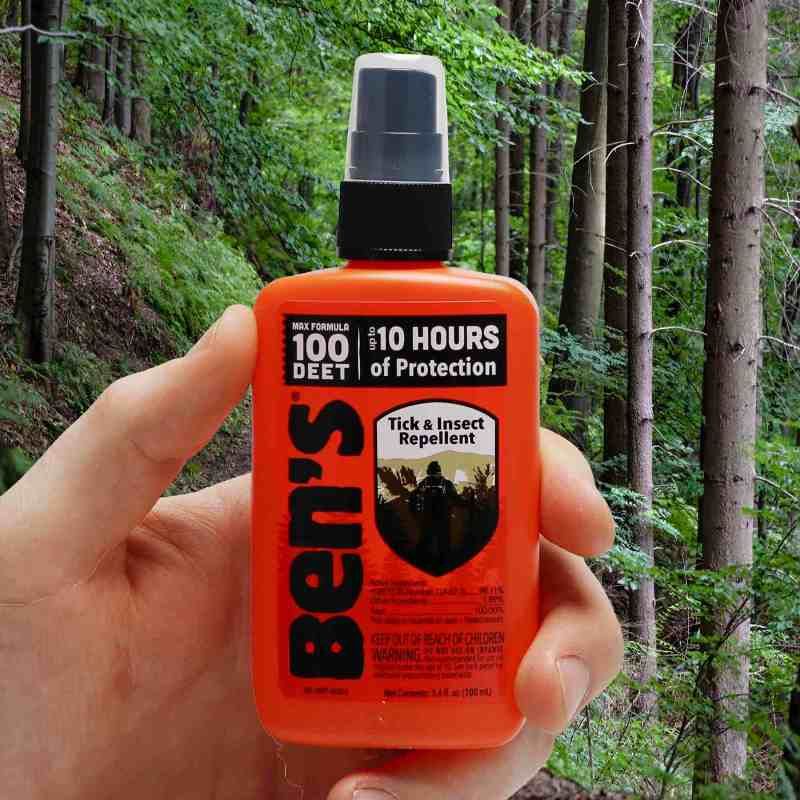
Best Spray Repellent 100% DEET Ben’s Spray is one of the best rated repellent for hardcore travelers and adventure lovers. Its compact, portable, travel-size bottle is crafted for easy carry and a single application gives 10 hours of complete blockage against mosquitoes, and ticks.
This product is a regular recommendation for backpackers, campers, and scientists working in extreme conditions. It is unscented, waterproof, and light for easy carry, which makes it ideal for someone who needs strong insect repellent while still being portable.
2) Repel 100 DEET Comparison
Repel 100 DEET bug spray is one more industry reference. DEET Repel’s bug spray gives a strong sturdy spray that covers skin and outer wear very easily, and also works in wet conditions. Like Ben’s, it gives 10 hours of protection but is more desirable or people who want larger sizes for family or group use.
Repel products find application mostly in multi-day outdoor camps, scientific expeditions, hunts, and in places where mosquitoes are in epidemic concentrations. Longevity, ease of application and years of experience attribute to Repel being considered by many as being among the ‘best 100 DEET spray repellent’ for serious outdoors.
Effective Use and User Ratings
Ease of application and real world efficacy are the biggest factors that let both Repel and Ben’s shine. Consumer feedback often emphasizes long lasting protection, minimal scent, and the absence of sticky and greasy leftover. Careful application to plastics and synthetic materials is still advised.
Mosquitoes and Tick Prevention: Why High Concentration DEET Matters
Out of all the vector borne diseases in the world transmitted by mosquitoes and ticks alone, Malaria, Dengue, Yellow Fever, West Nile Virus, Lyme disease and Rocky Mountain spotted fever are considered to be among the most infamously serious. Places with high concentrations of grass, thick shrubs, and scattered trees are favorable hiding spots for mosquitoes and ticks, while most repellents in these areas lack efficacy.
Why DEET Is Essential in Mosquito and Tick Invaded Environments?
DEET is scientifically proven to repel ticks as well as mosquitoes, proving essential for dodging bites while hunting, hiking, or even gardening. DEET reduces the ticks’ ability to recognize and hone in on the host’s smell, thereby reducing the tick’s likelihood to crawl on the skin or clothing.
Ticks are unique because they latch at seams or tight clothing points and crawl to less exposed areas for bites. For best results, apply 100 DEET spray around ankles, waistbands, cuffs, and necklines—any seam prone to tick entry.
Specialized DEET Use for Adventurers
Ultra strong insect repellent formulas are designed for trips to high-risk areas. Whether spending a night in the woods, traversing through swamps, or traveling to an underdeveloped country during an outbreak, heavy-duty DEET formulas remain the standard recommendation for travelers.
100 DEET Bug sprays are:
- Compact for lightweight packing during trekking.
- Fast-drying and water-resistant for humid environments.
- Reliable for multi-day expeditions without immediate access to showers or laundering.
How to Use 100 DEET Bug Spray Effectively?
Safety and effectiveness must be balanced when using high concentration DEET.
Step-by-Step Application
- Gently shake the spray bottle.
- Spray on exposed areas of the skin, and clothing—don’t apply under clothes.
- The spray should not be applied directly on the face. Instead, apply on the hands and tap on the cheeks, forehead, and neck avoiding the eyes and mouth.
- Limit the areas to apply to, those most likely to get bitten, the wrists, ankles, and elbows.
- Post application, the hands should be washed and touching food should be avoided.
For group outings, apply DEET to all participants at once to limit “bite transfer” from untreated people.
Safety Protocols
- Keep DEET locked in child-proof containers. Limit exposure to sunlight and high temperatures.
- Reapply DEET at intervals, and only if biting insects have become active again. Not doing this is much better than the alternative of exceeding the recommended frequency.
- After using soap and water to wash exposure, all clothes should be cleaned and dried before wearing again.
When to Apply: Most preferred time to Apply 100 DEET Bug Spray
With best 100 DEET spray brands, most daily outdoor activities can be managed with one application in the mornings. Apply right before dusk for overnight camping. This is when you’ll find the most mosquito activity.
Alternatives to 100 DEET Bug Spray
Although DEET is the best choice, some people tend to prefer other options for lighter activity and sensitive skin.
1) Picaridin and Permethrin: The Other Heavyweight Repellents
Picaridin is a synthetic repellent that is similarly safe and effective as DEET, and is recommended at lower concentrations. Picaridin is much less toxic to sensitive plastics, and has a much lighter scent.
Permethrin is not for applying directly to the skin. Rather, it can be sprayed on clothing and gear to repel and kill insects with direct contact.
2) Natural Repellents for Sensitive Skin
Citronella oil and lemon eucalyptus oil have very brief protective abilities and must be reapplied often. These oils work for short-period activities but are not suitable for activities in high-insect presence areas, outbreaks, or overnight trips.
Mosquito Repellent for Hiking and Travel
Traveling backpackers, campers, and global travelers are exposed to unique risks while in remote regions. Tropical forests or wetlands mosquitoes are more than a personal annoyance, they are a vector for debilitating ailments (malaria, Zika, dengue, and West Nile viruses).
Seasoned travelers suggest pre-treating clothing to be packed, spraying all exposed skin on a daily basis, and keeping DEET bottles in a pouch to avoid gear contamination. For non overnight trips to cities, lower DEET concentrations are fine; but in areas where malaria or dengue is a concern, 100% DEET insect repellent is a must.
For people who do not wish to use DEET and seeking alternatives to DEET bug spray, picaridin is great for daytime trips, especially for children, and permethrin is advised to clothing for campers or hikers in areas where ticks are prevalent.
Conclusion: Who Should Choose High Concentration DEET?
People dealing with extreme bug activity in wet, forested, or tropical areas, or with those working outside for extensive periods of time; for them, the 100 DEET bug spray is the best option available. It offers proven safety, hours of protection, and is the best at combating bugs that carry diseases. Users must adhere to all safety precautions, reduce contact to the sensitive areas of the body, and cleanse the skin after coming back inside.
Altogether, 100 DEET bug spray is the most recommended and effective repellent for extreme adventures, outdoor activities, scientific expeditions, and cross-border journeys with tick risk in extreme zones.
Frequently Asked Questions (FAQs)
Is 100 DEET Bug Spray Safe for Daily Use?
100 DEET bug spray is very safe for application on adults and older children when applied as per guideline instructions and not on damaged skin. In case of prolonged expeditions, take regular breaks and monitor for skin irritation.
Can DEET Be Used on Clothing and Gear?
Yes, but use caution on synthetic fabrics susceptible to breakdown (spandex, vinyl, acetate). For cotton and nylon backpacks, hats, and jackets, DEET is safe.
How Often Should DEET Spray Be Reapplied?
Do not reapply unless insect pressure returns after several hours outside. Overuse does not help and increases chances for irritation. In general, one application protects for up to 10 hours.
Does DEET Work Against Ticks and Mosquitoes That Carry Diseases?
Yes, 100 DEET bug spray gives the best protection available in the market for mosquitoes and ticks that can spread malaria, dengue, West Nile virus, and Lyme disease. For these scenarios, strong DEET bug spray is recommended.
Editorial Team & Contributors

Raashid Ansari, Founder, Content Researcher & Author - MosquiTalk
Not an entomologist — just a genuinely curious writer who started researching mosquitoes and couldn't stop. What began as casual reading about repellents and bite prevention gradually turned into a deep ongoing dive into vector biology, disease epidemiology, animal health impacts, and the real science behind mosquito control. Everything published here is carefully edited, and written with one purpose: giving readers accurate, accessible information they can actually trust and use to protect themselves, their families, and their pets, birds and cattle.
Active across social platforms, regularly publishes, and genuinely invested in spreading mosquito awareness where it matters most. Because informed readers make better decisions — and better decisions save lives.