
Table of Contents
Why Mosquitoes Don’t Bite Some People? And Why are Mosquitoes So Attracted to Others?
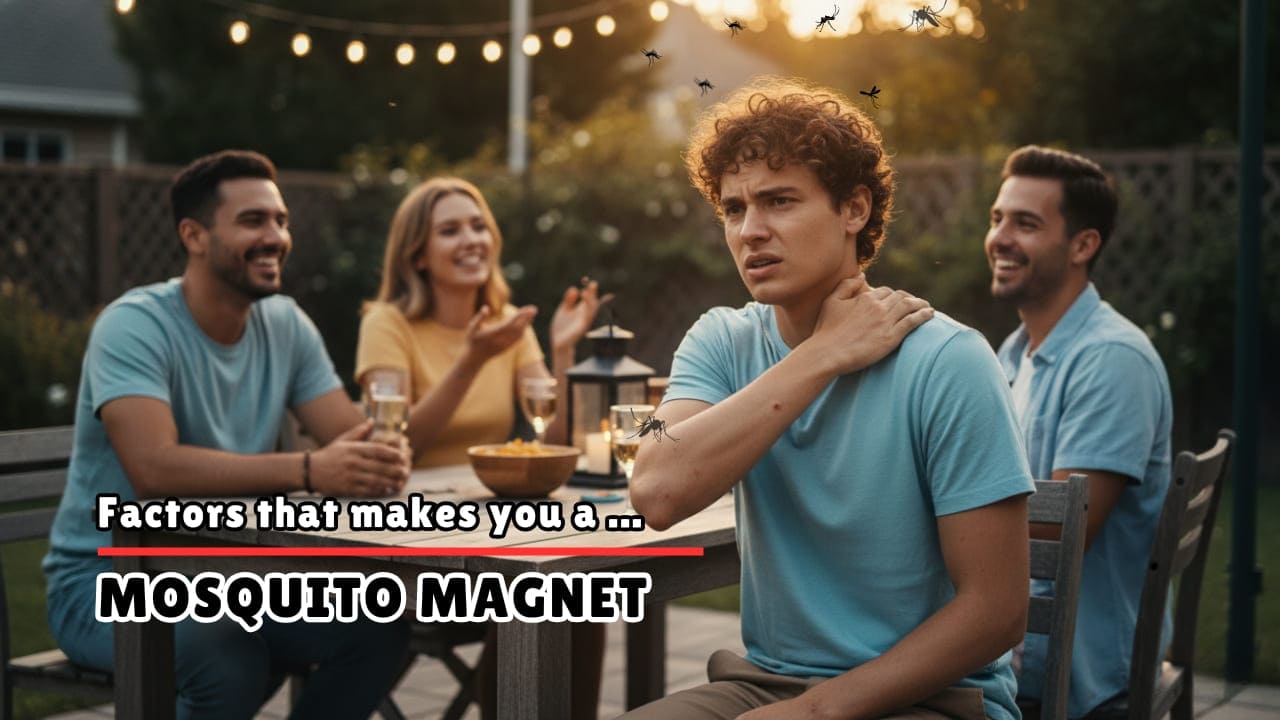
Everyone’s sitting outside enjoying the evening — same yard, same time, same air. And somehow you’re the one swatting every thirty seconds while the person next to you doesn’t have a single bite. Have you ever thought, why mosquitoes don’t bite some people? It’s not bad luck. It’s biology.
Mosquitoes don’t bite randomly. They’re remarkably selective, and they use a surprisingly sophisticated set of signals to decide who’s worth targeting. Understanding what attracts mosquitoes to humans is the first step to actually doing something about it — and this guide covers the full science behind mosquito attraction factors, plus practical mosquito bite prevention strategies you can apply right away.
Do Mosquitoes Actually Prefer Certain People?
Yes — and the research backs this up clearly. Studies consistently show that mosquitoes show strong host preferences, and roughly 20% of people are bitten significantly more than others. It’s not a coincidence that it always seems to be the same person at a gathering getting destroyed while everyone else is fine.
The reasons come down to the chemical signals or trails your body produces — some of which you can influence, and some of which are just genetics. Female mosquitoes (males don’t bite) are hunting for a blood meal to develop eggs, so they’ve evolved highly sensitive detection systems for mosquito host selection. They’re not guessing — they’re following specific attractant cues and trails.
How Mosquitoes Detect Humans: The Hidden Signals You Emit
Mosquitoes operate using four main detection systems working in sequence — long-range to close-range. The table below breaks down exactly how each system works and what it’s picking up.
| Detection Signal | Range | What It Identifies |
| Carbon Dioxide (CO₂) | Up to 50 meters | Presence of a breathing host; higher CO₂ = larger or more active person |
| Body Heat (Infrared) | Within 1–3 meters | Skin surface temperature; warmer skin = stronger signal |
| Body Odor / Volatiles | Within 1 meter | Individual chemical fingerprint — bacteria, sweat compounds, skin pH |
| Visual / Movement | Within 5–10 meters | Dark clothing, contrast against background, physical movement |
It’s almost never just one signal that gets you targeted. It’s the combination — which is also why single fixes rarely solve the problem completely.
The host-seeking process is more complex than it looks — if you want the full breakdown of how mosquitoes move from detecting CO₂ to landing on skin, our dedicated guide on mosquito host-seeking behavior covers every stage in detail.
Major Scientific Reasons Why Mosquitoes Bite Some People More
There are some documented factors that influence why mosquitoes bite some people more than others. The table below gives you the full picture at a glance — what each factor does, and whether you can actually do anything about it.

Image Credit: Illustration by Author
Table: Factors that makes some humans more attractive
| Attraction Factor | Why It Attracts Mosquitoes | Can You Control It? |
| Carbon Dioxide Output | Higher CO₂ = detectable from greater distance | Partially (avoid exercise before outdoor time) |
| Body Heat & Metabolism | Warmer skin surface = stronger heat signal | Partially (clothing, fans, timing) |
| Skin Bacteria & Odor | Certain bacteria produce compounds mosquitoes seek | Partially (showering, soap choice) |
| Blood Type (Type O) | Type O secretors release more attractive skin markers | No — genetic |
| Sweat Compounds / Lactic Acid | Lactic acid and ammonia in sweat are attractants | Partially (reduce exercise beforehand, shower) |
| Skin Surface pH | Acidic skin pH is more detectable to mosquitoes | Partially (diet, skincare products) |
| Pregnancy | +21% CO₂ output + higher skin temperature | No — physiological |
| Alcohol Consumption | Ethanol in sweat + slight body temp increase | Yes — reduce alcohol intake outdoors |
| Scented Products | Floral/fruity fragrances mimic nectar scents | Yes — switch to unscented products |
| Dark Clothing | High contrast = easier visual tracking | Yes — wear light colors |
| Movement | Physical activity aids visual and thermal targeting | Partially (stay still when possible) |
| Diet (Potassium/Salt) | Alters sweat compound composition | Yes — dietary adjustments |
| Stress / Cortisol | Stress hormones may alter sweat chemistry | Partially (stress management) |
The factors you can’t control — blood type, genetics, pregnancy — are worth knowing about. But the ones you can control add up more than most people expect when you address them together.
A few of the more significant ones are worth unpacking in more detail:
i) Carbon Dioxide Output and Breathing Rate
The more carbon dioxide you exhale, the more detectable you are. Larger people, physically active people, and those with higher metabolic rates all exhale more — and mosquitoes pick up on that difference consistently. More output, bigger signal, easier to track.
What’s surprising is how far that signal travels. Mosquitoes can detect a carbon dioxide plume from up to 50 meters away — that’s before they’ve seen you, before they’ve smelled your skin, before they’ve detected any heat. You’re already on their radar from halfway across a large yard.
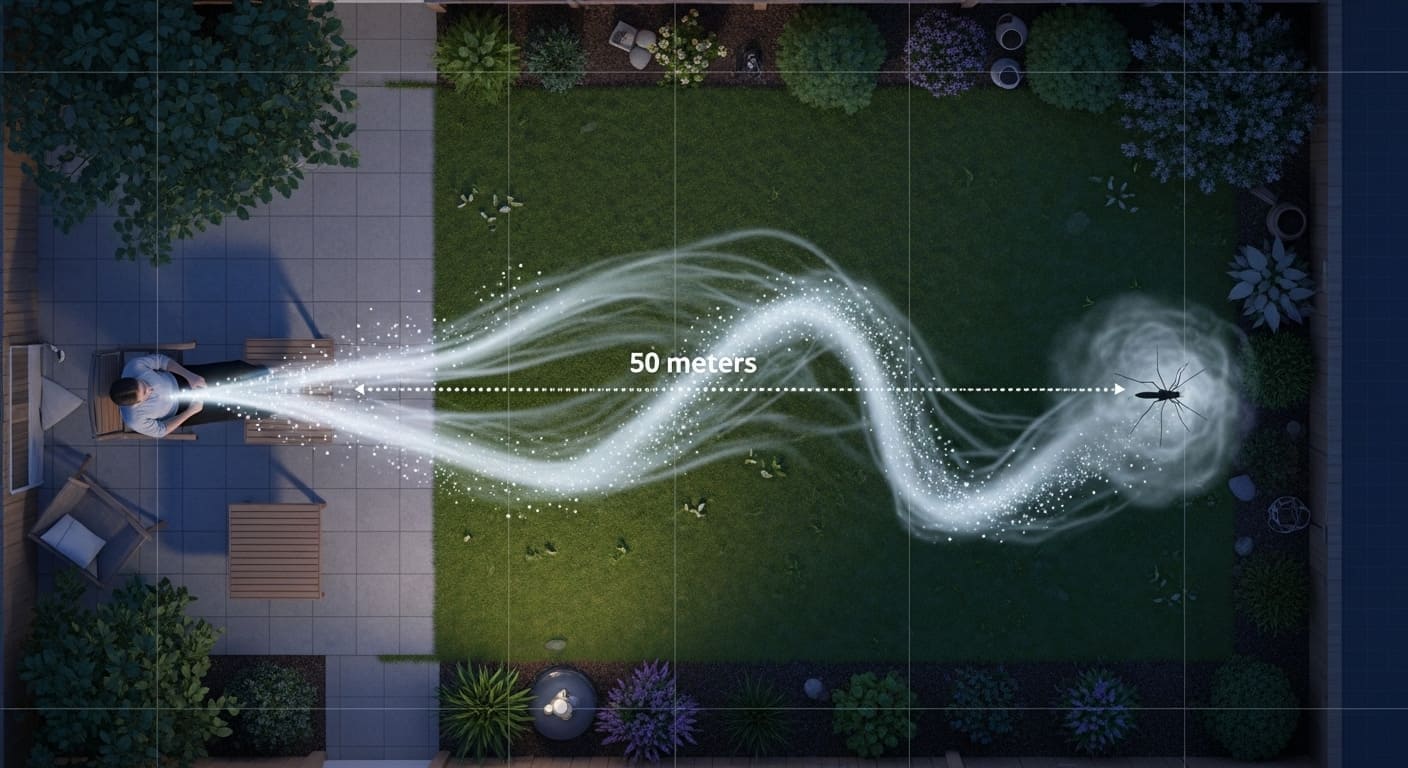
Image Credit: Illustration by Author
ii) Skin Bacteria and Natural Body Odor
Your skin hosts trillions of bacteria that metabolize sweat and produce volatile compounds — and that specific bacterial mix is unique to you. Research from Wageningen University found that people with a higher abundance of certain bacteria were significantly more attractive to mosquitoes. Some profiles produce more of the compounds mosquitoes seek. Others have a masking effect. It’s why two equally sweaty people get bitten at completely different rates.

Image Credit: Illustration by Author
iii) Blood Type Preference (Type O vs. Others)
A study in the Journal of Medical Entomology found mosquitoes landed on Type O individuals nearly twice as often as Type A. Type B fell in the middle. About 85% of people also secrete blood-type markers through their skin — those secretors tend to attract more mosquitoes regardless of type, though Type O secretors are the most targeted blood group overall.
🩸 Blood Type & Mosquito Attraction
Relative frequency of mosquito landings — Type O vs other blood types
Source: Journal of Medical Entomology — Mosquito host selection research
iv) Skin Surface pH
Mosquitoes are drawn to slightly acidic skin. pH varies between individuals based on genetics, diet, skincare products, and sweat composition. It’s one of those background factors that quietly compounds everything else and rarely gets mentioned.
v) Scented Products
Floral and fruity fragrances in perfumes, lotions, soaps, and even some sunscreens mimic the floral scents mosquitoes associate with nectar sources. They don’t just fail to repel — they actively attract. Switching to unscented products is one of the easiest and most overlooked fixes. There are even some plants known to attract mosquitoes.
vi) Stress Hormones and Cortisol
There’s emerging research linking elevated cortisol — from stress — to changes in sweat chemistry that may increase mosquito attraction. It’s not as well-documented as the others yet, but the biological mechanism is plausible and early findings are consistent.
vii) Body Heat and Metabolism
A warmer body surface is a stronger heat beacon. People with naturally higher core temperatures or faster metabolisms run slightly warmer — and that difference is enough for mosquitoes to detect at close range. After exercise, body temperature stays elevated for a while, which extends your window of heightened attractiveness even after you’ve stopped moving. This is separate from CO₂ — both signals compound each other.
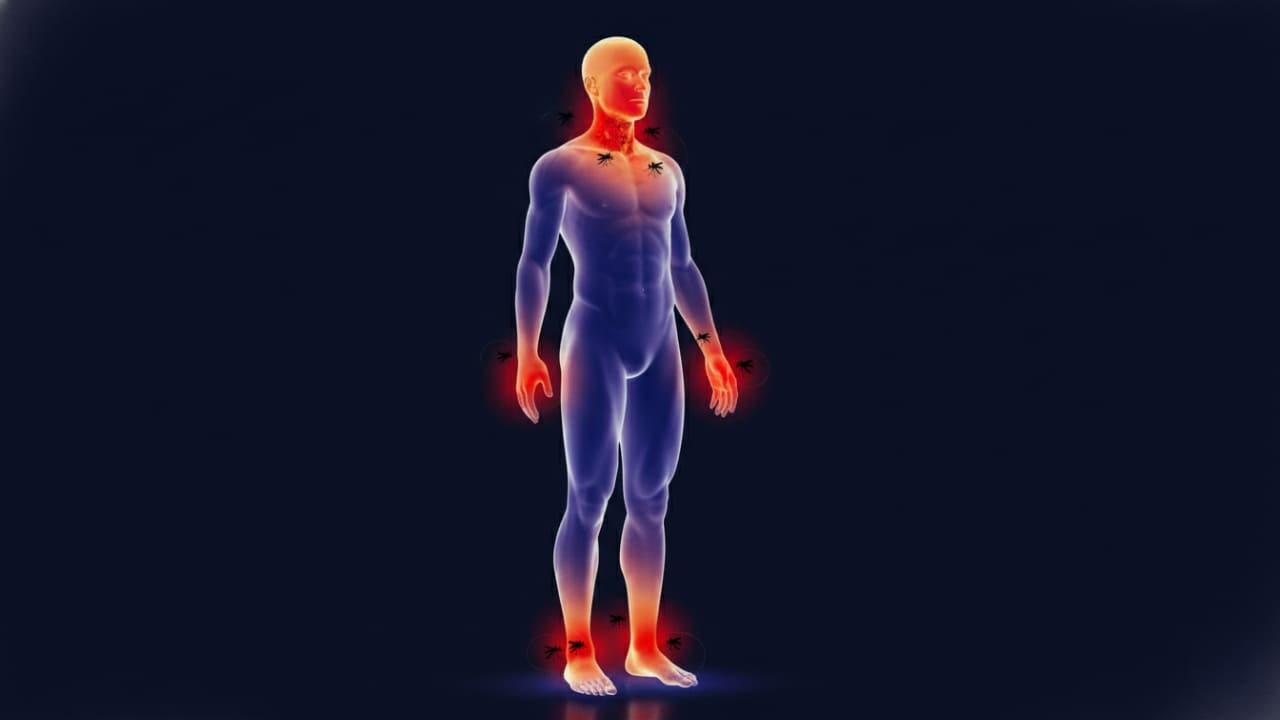
Image Credit: Illustration by Author
viii) Sweat Compounds and Lactic Acid
Sweat itself isn’t particularly attractive to mosquitoes — it’s what’s in the sweat that matters. Lactic acid, ammonia, uric acid, and various carboxylic acids are all compounds found in sweat that have been shown in research to increase mosquito attraction. People who produce higher concentrations of these — due to genetics, diet, or physical activity — tend to get bitten more consistently. Lactic acid in particular builds up fast during exercise, which is why a post-run evening outdoors is a reliable recipe for getting eaten alive.
ix) Pregnancy
Pregnant women attract roughly twice as many mosquito bites as non-pregnant women, according to research published in The Lancet. Two factors drive this simultaneously: pregnant women exhale about 21% more CO₂ than average, and their abdominal skin temperature is measurably higher. Both signals push them up the mosquito’s target list. This also makes pregnancy a higher-risk period in regions where mosquito-borne diseases are present.
x) Alcohol Consumption
Even a single beer increases mosquito attraction, according to a study in the Journal of the American Mosquito Control Association. The exact mechanism isn’t fully pinned down — ethanol in sweat and a slight rise in body temperature are the most likely contributors. The effect was statistically significant even after controlling for other variables. So the evening drink on the porch may be quietly compounding everything else already working against you.
xi) Dark Clothing and Visual Cues
Once mosquitoes get within a few meters, they switch to visual targeting — and clothing color matters more than most people expect. Dark colors like black, navy, and red create high contrast against natural backgrounds, making you easier to visually lock onto. Light-colored clothing reduces that contrast and is harder to track at this range. This is one of the simplest, zero-cost adjustments you can make — and it genuinely helps, especially during dawn and dusk activity.
xii) Movement and Visual Cues
Physical movement amplifies visual detection. People who move around more, fidget, or are generally more active give mosquitoes a clearer and more consistent visual target to track. This compounds with dark clothing — the combination of contrast and motion is significantly more detectable than either factor alone. Staying relatively still when mosquitoes are active does reduce targeting, though it’s obviously not always practical.
xiii) Diet — High Potassium and Salt Intake
What you eat influences your sweat composition more than most people realize. Diets high in potassium-rich foods — bananas, avocados, potatoes, leafy greens — and high-sodium foods can alter sweat chemistry in ways that increase certain volatile attractant compounds. It’s not a primary driver on its own, but it quietly shifts your baseline attractiveness, particularly when it stacks on top of other factors. It’s worth considering if you’re already a consistent target and can’t identify an obvious cause.
🦟 What Makes You a Mosquito Magnet?
How strongly each factor contributes — and whether you can do something about it
Source: Wageningen University, London School of Hygiene & Tropical Medicine, CDC mosquito biology publications
Are Some People Genetically More Attractive to Mosquitoes?
Largely, yes. Twin studies from the London School of Hygiene and Tropical Medicine showed that identical twins are far more similar in mosquito attractiveness than fraternal twins — strongly suggesting a significant genetic component.
The genetics work through skin microbiome composition, volatile compound blend, skin pH, and blood type — all genetically influenced. It doesn’t mean nothing can be done. But it does explain why some people are permanent mosquito magnets regardless of what they try.
Why Mosquitoes Bite Ankles and Feet So Often
The feet and ankles have a higher concentration of certain bacteria — particularly Brevibacterium and Staphylococcus species — that produce compounds mosquitoes find attractive. They’re also lower to the ground, where CO₂ and body odor compounds settle and concentrate in still air.
Scent compounds pool near the ground, creating a detectable chemical trail right at ankle height. Mosquitoes are literally following the odor gradient down to your feet.
How to Tell If You Are a Mosquito Magnet
A few clear indicators:
- You consistently get more bites than people around you in the same environment
- Mosquitoes seem to find you faster than others when outdoors
- You react more strongly to bites — larger welts, longer-lasting irritation
- You get bitten even when others nearby are completely unaffected
- Post-exercise or after a drink, you notice a clear spike in mosquito attention
- You’ve tried basic repellents but still seem to get targeted more than average
If most of these apply, the combination of CO₂ output, skin chemistry, blood type, bacteria profile, and skin pH are likely all working against you simultaneously.
Ways to Make Yourself Less Attractive and Reduce Mosquito Bites
Effective mosquito bite prevention requires layering multiple approaches. Single fixes rarely work on their own.
i) Clothing and Physical Barriers
- Wear light-colored, loose-fitting clothing — reduces visual targeting and lowers skin temperature.
- Cover arms and legs during dawn and dusk when mosquitoes are most active.
- Avoid dark colors like black, navy, and red outdoors in the evening.
ii) Personal Care Adjustments
- Switch to unscented soaps, lotions, and deodorants — scented products actively attract mosquitoes.
- Shower before going outdoors in the evening — removes lactic acid and bacterial buildup.
- Avoid heavy exercise right before outdoor evening time — CO₂ and lactic acid stay elevated after.
iii) Repellents: What Actually Works
Not all repellents are equal. Here’s a clear comparison of the main options, their effectiveness, and realistic protection times:
| Repellent | Type | Effectiveness | Protection Duration | Notes |
| DEET | Synthetic | Very High | 2–8 hours | Most extensively studied; safe at recommended concentrations |
| Picaridin | Synthetic | Very High | 2–8 hours | Odorless, non-greasy; gentler on skin than DEET |
| OLE / PMD (Lemon Eucalyptus) | Plant-based | High | 2–3 hours | Only plant-based option CDC recognizes; avoid under age 3 |
| IR3535 | Synthetic | Moderate–High | 2–4 hours | Common in European products; milder formula |
| Citronella Oil | Plant-based | Low–Moderate | 30–60 min | Works but evaporates fast; needs very frequent reapplication |
| Essential Oil Blends | Plant-based | Low–Moderate | 30–90 min | Inconsistent results; better as supplement, not standalone |
DEET and picaridin remain the gold standard for high-exposure situations. For everyday or mild exposure, picaridin or OLE are solid alternatives with fewer skin complaints.
⏱️ Mosquito Repellent Protection Duration
Typical hours of effective protection per application under normal conditions
Source: CDC mosquito repellent guidelines; EPA registered repellent data; peer-reviewed field efficacy studies
iv) Environmental Controls
- Use a fan outdoors — disrupts CO₂ plumes and physically interferes with mosquito flight
- Eliminate standing water near your space — even bottle caps and plant saucers breed mosquitoes
- Time outdoor activities — mosquitoes peak at dawn and dusk; midday sun significantly reduces exposure
- Install or repair window and door screens — simple but consistently effective
Common Myths About Mosquito Attraction
A lot of widely shared advice on this topic simply doesn’t hold up to scrutiny. The table below covers the most common myths and what the evidence actually says.
| Common Myth | The Reality |
| Mosquitoes prefer sweet blood | No evidence. Sugar/diet sweetness doesn’t meaningfully change skin chemistry. |
| Vitamin B12 supplements repel mosquitoes | Consistently debunked in controlled studies. No repellent effect found. |
| Ultrasonic devices work | Reviewed repeatedly — found ineffective. FTC has acted against these claims. |
| Eating garlic repels mosquitoes | No credible research supports garlic compounds seeping through skin in repellent quantities. |
| Mosquitoes only breed in large water bodies | Aedes mosquitoes breed in a bottle cap of stagnant water. Any standing water counts. |
| B1 vitamins, Supplements or Pills make you unattractive to mosquitoes | Multiple double-blind trials found no difference in bite rates between supplement and placebo groups. |
Key Takeaways: Why Mosquitoes Bite You More Than Others
- Mosquito biting is not random — it follows specific, measurable biological cues
- CO₂ output, body heat, and skin chemistry are the three primary mosquito attraction factors
- Blood type O, pregnancy, alcohol, dark clothing, and scented products all measurably increase attraction
- Skin microbiome, skin pH, and sweat composition play major roles — heavily influenced by genetics
- Diet (high potassium and salt) and stress hormones can quietly shift your baseline attractiveness
- Ankles and feet are targeted due to bacterial concentration and odor pooling near the ground
- Fans, light clothing, unscented products, and evidence-based repellents all reduce bites meaningfully
- Vitamin B supplements and ultrasonic devices have no credible evidence behind them
📰 Must Read,
✔️ 10 Best Hanging Plants that Keep Mosquitoes Away
✔️ 100 DEET Insect Repellent vs Natural Sprays: Which Works Best?
Conclusion
If you’ve always been the one getting bitten and loved by mosquitoes while everyone else seems fine, now you know it’s not random and it’s not in your head. Your body is producing a specific combination of signals — CO₂, heat, skin chemistry, bacterial compounds, skin pH — that mosquitoes are wired to find attractive. Understanding why mosquitoes bite you so much is genuinely useful, not just interesting.
Some of those mosquito magnet causes are genetic and outside your control. But understanding which ones you can influence — clothing, scented products, timing, repellents, fans, showering before going out — makes a real, measurable difference. The science of why do mosquitoes prefer certain people is also, usefully, a roadmap for biting back.
Frequently Asked Questions (FAQs)
Q. Why do mosquitoes bite me more than others in the same group?
It comes down to your body chemistry — the specific mix of CO₂ you exhale, your skin bacteria profile, and compounds in your sweat. Two people sitting side by side can smell completely different to a mosquito. Blood type plays a role too. It’s rarely one thing; it’s usually several factors stacking on top of each other at once.
Q. Can mosquitoes sense me from far away?
Yes — up to 50 meters away through CO₂ detection alone. That’s the length of half a football field. Once they lock onto your CO₂ trail they follow it upwind toward you. Heat and skin odor only kick in much closer, within a few meters. So by the time you notice a mosquito, it’s already been tracking you for a while.
Q. Does being stressed make mosquitoes bite you more?
Possibly. Stress raises cortisol levels, which can alter your sweat composition in ways that may make you more detectable. It’s not as thoroughly studied as the other factors — but the biological link is real. Add in the fact that stressed people tend to move more and breathe faster, and it’s not a stretch to say stress compounds your attractiveness to mosquitoes.
Q. Why do mosquitoes seem worse after I exercise?
Because they are. Exercise spikes your CO₂ output, raises your skin temperature, and floods your sweat with lactic acid — three of the biggest mosquito attractants at once. And it doesn’t reset the moment you stop moving. Your body stays elevated for a while after. If you’re heading outside in the evening, exercising right beforehand is genuinely bad timing.
Q. Do mosquitoes prefer men or women?
Men tend to get bitten slightly more on average — largely because they’re typically larger, exhale more CO₂, and run warmer. But pregnancy closes that gap fast. A pregnant woman will out-attract almost anyone nearby. So it’s less about gender and more about the underlying factors — body size, metabolic rate, hormonal state — that happen to correlate with it.
Q. Will eating certain foods make me less attractive to mosquitoes?
There’s no diet that makes you repellent — that’s mostly myth. What diet does affect is your sweat composition. High potassium and high sodium foods can shift your sweat chemistry in ways that increase attraction. Some people swear by garlic but there’s no solid research backing it. The honest answer is diet is a background factor, not a fix.
Q. Why do mosquitoes always go for my ankles?
Ankles and feet tend to have a higher concentration of specific bacteria — Brevibacterium and Staphylococcus — that produce compounds mosquitoes find attractive. On top of that, scent compounds from your whole body settle near the ground in still air, creating a concentrated odor trail right at ankle level. It’s not random. Mosquitoes are literally following the smell downward.
Q. Is there any way to permanently reduce how attractive I am to mosquitoes?
Not permanently — a lot of it is genetic. But you can consistently reduce your attractiveness by managing the controllable factors together: unscented products, light clothing, showering before going out, avoiding alcohol and exercise right before outdoor time, and using a proven repellent. None of these alone is a silver bullet. Stacked together they make a real difference.
