
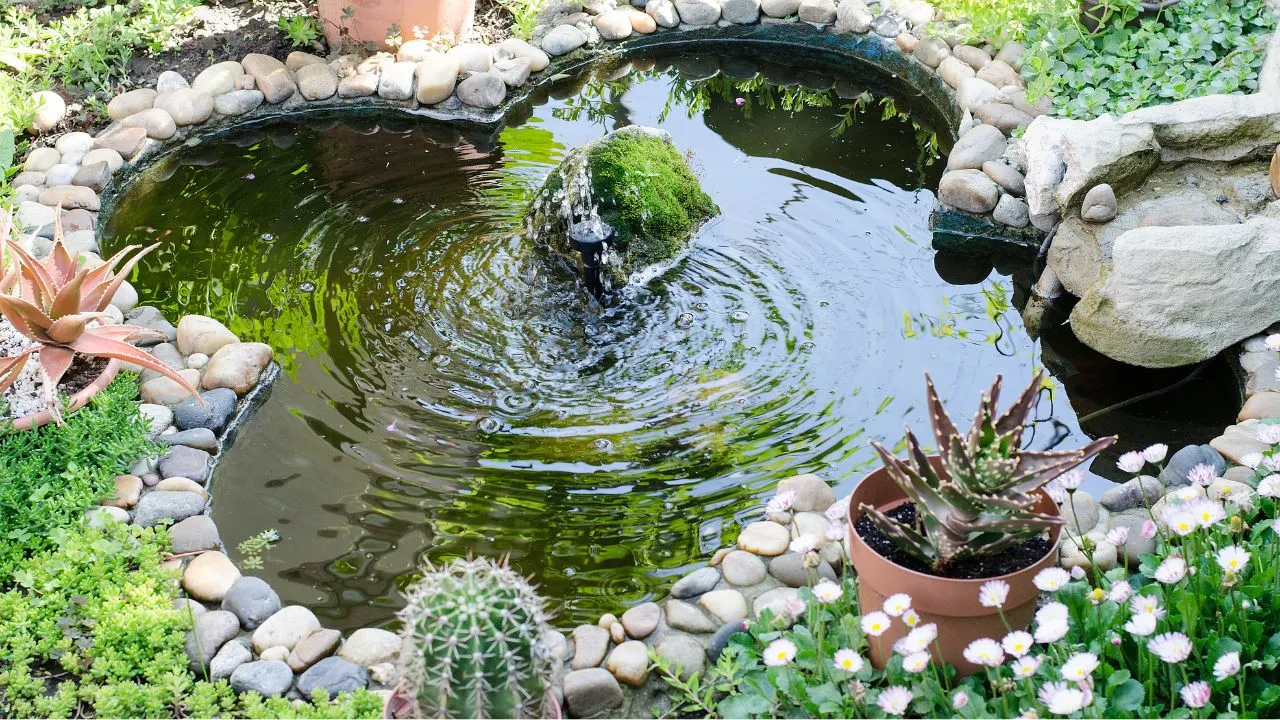
Nobody wants their peaceful pond to turn into a breeding site for mosquitoes. Here is a complete guide to pond mosquito killers that includes methods you can trust. Practical natural methods, along with tips for maintaining the health of the water are included.
Introduction: Importance of a Pond Mosquito Killer Plan
Water features and garden ponds are stunning enhancements to landscapes, but if not maintained well, they can turn into prime breeding spots for mosquitoes. Mosquitoes aren’t just an annoyance and a threat to relaxation, they can transmit dangerous diseases such as dengue, malaria, and the West Nile virus.
Using a well-planned multi-tiered pond mosquito killer approach prevents the mosquitoes from being an invasive pest. Every crucial method is covered in this guide from biological control to eco-friendly products to constantly keep the pond free of any mosquito infestation.
Achieving an effective mosquito control strategy for your pond requires more than responding to a problem as it arises. The approach must be proactive and have several levels of defense. The following top 10 pond mosquito killer techniques pose the greatest combined impact, and capture the essence of proactive and self-contained strategies with minimal impact to the environment, protecting your family and the local wildlife.
Top 10 Pond Mosquito Killer Techniques
1. Introducing Mosquito-Eating Fish: Nature’s Pond Mosquito Killer
The method of utilizing natural enemies to aid in the control of mosquito populations in ponds has long been used in natural fish ecosystems where fish have served as effective organic mosquito controllers for ponds and water gardens.
How It Works
Mosquito fish along with goldfish, guppies, minnows and even koi will help by consuming mosquito larvae thereby degrading their population to considerable extent.
- Gambusia affinis: The gold standard in larval control, with a single adult capable of devouring hundreds of mosquito larvae on a daily basis.
- Guppies and fancy goldfish: These species are highly adaptable to ornamental ponds and chow down on larvae at the recommended stocking level where they do not disrupt the aquatic plants.
- Killifish and top minnows: Best suited for larger, semi-wild ponds.
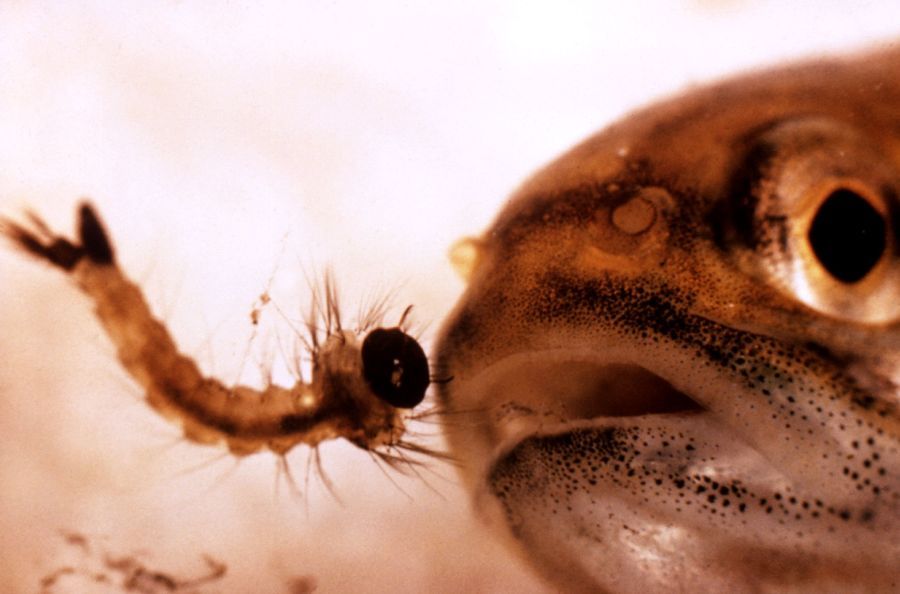
Image Credit: MosquiTalk.com
Practical Implementation
- Stock fish according to the pond’s size. Generally, 4-6 mosquito fish per square meter of pond surface area is sufficient.
- Acclimatize new fish by floating their transport bag in pond water for 10 minutes prior to release.
- Overstocking should be avoided to prevent excessive waste and algae growth.
Tips
- Visit local pond shops and ask about native species of mosquito eating fish to avoid the problem of ecological imbalance.
- Add floating plants as they will not only provide fish with shade but will also attract dragonflies which are also great natural predators.
Maintenance
- The feeding routine for fish should be controlled as this will also help keep the water healthy. Let the fish focus on mosquito larvae for sustenance and avoid overfeeding.
- During the dry season, water should be topped up regularly. This will support both fish and plant life in the pond.
2. Aeration and Water Movement: Mechanical Pond Mosquito Killer Tactics
Stagnant, still water is a breeding ground for mosquitoes. Water movement, whether through the use of mechanical aerators, fountains, or waterfalls, eliminates this problem. Aerators, fountains, and waterfalls are core mechanical pond mosquito killers that make your pond inhospitable to mosquitoes.
Mechanical Solutions
- Aerators: These are devices placed at the pond’s bottom and release fine bubbles that keep water circulating and oxygenated.
- Pond pumps: Circulate water throughout the pond, and make sure there are no stagnant pockets filled with water.
- Fountains and waterfalls: These can be placed for aesthetics, and also as perennial mosquito deterrent water features.
Why It Works
- In order to breathe, mosquito larvae and pupae must cling to the surface of the water. Constant water movement hinders circulation, making it nearly impossible for the water creatures to survive.
- Aeration also, improves water quality, which serves beneficial bacteria while discouraging algae.
How to Maximize Results
- Ensure that the placement of the pump allows for movement in all areas of the pond. Give extra attention to the shallow edges as they are often overlooked.
- For larger ponds, make use of multiple devices or circulation systems designed by professionals.
Maintenance
- In order to maximize the flow and longevity of the devices, regularly scheduled maintenance on the pumps and aerators should be done.
- Keep an eye on calm spots—these need to be addressed as soon as possible to prevent future issues.
3. Remove Standing Water and Excess Debris: The Preventive Pond Mosquito Killer
These pests are persistent. Even tiny amounts of stagnant water close to the pond are more than sufficient to serve as hatching grounds for these insects.
Steps to Take
- Make sure to routinely check for standing water in plant saucers, buckets, and landscaping features to eliminate them.
- At least once a week during the mosquito season, make sure to skim the pond to remove floating leaves, algae, and other debris.
- Remove excess mulch, or newly decayed leaves which rest around the margins of the pond—these areas get overly wet and are a perfect breeding ground for mosquito eggs. Reducing the amount of decaying matter that is left behind in the water, means fewer insects around the pond as well.
Why It Matters
- A well-maintained pond is far less attractive to egg-laying females.
- Reduces organic matter, which decays and feeds larvae if left in water.
- Less debris means healthier water for your fish, plants, and other beneficial pond dwellers.
Advanced Prevention
- During autumn, pond nets or covers assist in keeping the leaves and other debris out.
- If possible, make sure the edges of the pond are sloped to ensure rainwater doesn’t pool.
4. Biological Larvicides: Safe, Targeted Pond Mosquito Killer Solutions
Biological Larvicides are the modern pond safe mosquito killers that use natural bacteria which target mosquito larvae. With the right precautions, the pond can be safe from mosquito larvae without hurting the wildlife.
Biological Mosquito Killers
- Bacillus thuringiensis Israelensis (BTI): It comes as granules, dunks, or pellets in the form of soil-dwelling bacteria.
- Methoprene: An insect growth regulator in the form of pellet and briquette which hinders the growth of the mosquito.
How BTI Works
- BTI’s mode of action involves the release of specific toxins that target only mosquito and blackfly larvae. Fish, amphibians, pets, and humans, as well as pollinators, are not affected at all.
- Application is simple: follow the label instructions and use dunks, pellets, or granules as measured spoonful’s into ponds.
Advantages
- It is organic and Bti is EPA approved for use in ponds that are permanent water sources, like ornamental or fish ponds.
- In most cases, a single application lasts for 2-4 weeks and some formulations provide 30 days of protection.
Tips
- Reapply after heavy rain, which can dilute larvicide.
- Quiet, shady zones of ponds are the best places to target as these areas are still and the larvae are likely to likely to gather.
5. Strategic Planting: Natural Pond Mosquito Killer Barriers
Some plants are repellent to mosquitoes, thus can be utilized as beautiful and green solutions to pond mosquito problems. These species can be such as visually appealing while also repelling pesky insects.
Best Plants for Mosquito Control
- Citronella: This plant is popular for producing mosquito repellent oil and is known for its lemony smell, which also masks attractants for mosquitoes.
- Lemon balm and lemongrass: These plants are not only fragrant but also very simple to grow.
- Lavender and marigold: Both bloom seasonally while deterring mosquitoes.
- Catnip: Proved more effective than some chemical repellents.
- Mint and rosemary: Culinary herbs that also fight mosquitoes.
Implementation
- Plant the above species in containers or as borders around the pond for best protection.
- Select plants that thrive in pondside soil and climate for sustained effect.
- Combine with water-loving plants like Lebanese water cress or submerged Bacopa for improved oxygenation and less algae.
Why It Works
- These plants have volatile oils and fragrances that mosquitoes avoid.
- Some actively repel other pests, providing double-duty value.
- An eco-friendly, low-maintenance answer for creative gardeners.
6. Attracting Natural Mosquito Predators: Wildlife as Pond Mosquito Killers
Enhancing the natural balance of your ecosystem is a highly effective, sustainable technique in pond mosquito control. Mosquitoes are a food source for many beneficial creatures.
Key Predators
- Dragonflies: Both life stages (larvae or nymphs and adults) consume mosquitoes and their larvae.
- Birds: Many back yard birds (swallows, martins) thrive on mosquitoes.
- Bats: Though more active at twilight, just a few bats can consume hundreds of mosquitoes in an evening.
- Amphibians: Frogs, toads, and tadpoles frequently snack on mosquito larvae.
How to Attract Them
- Plant tall grasses, rushes, and native wildflowers to provide dragonfly and bird perches.
- Install bat houses or nest boxes nearby.
- Create “wild edges” or zones of native, undisturbed plants near the water.
- Avoid chemical treatments that might inadvertently harm predator populations.
Benefits
- Reduces long-term mosquito problems and supports local biodiversity.
- Adds visual and acoustic interest—birds and dragonflies enliven any pondscape.
- Low-cost and low-maintenance once established.
7. Using Mosquito Traps, Ovitraps, and Surface Barriers
Mechanical and physical methods of eliminating pond mosquitoes have powerful allied tools, especially during peak season.
Types of Traps
- CO2 mosquito traps: Emit carbon dioxide to attract and capture adult insect pests.
- Ovitraps: Simple “egg-laying traps” with treated water that destroys mosquito eggs and larvae.
- Surface films: Pond safe oils when used as per directions to be administered create a barrier by forming thin layers which suffocate larvae but not fish.
Application and Limitations
- Quick reduction in mosquito numbers when used alongside other methods.
- Ovitraps are best for smaller properties or high-risk areas.
- Surface oils or films should be reserved for emergencies or ponds without fish.
Safety
- Always choose products labeled as fish- and wildlife-safe.
- Follow precise dosage instructions—overuse of surface oils can affect oxygenation.
8. Pond Vegetation Management: Thinning, Trimming, and Cleaning
Floating debris and untidy pond margins are perfect breeding grounds for mosquitoes. Effective pond management is essential to eliminate mosquitoes.
Vegetation Control
- Thin floating and emergent plants regularly.
- Remove dead/dying parts of plants—these ac as nurseries for mosquito larvae.
- Trim back rushes, reeds, and water lilies to open up the water’s surface and edges.
Why It’s Crucial
- Open water promotes circulation and predator activity.
- Sunlight penetration increases, reducing breeding habitat for mosquitoes.
Pro Tips
- Never “strip” a pond totally—maintain some shade and habitats for fish and other wildlife.
- Schedule large cleaning jobs for spring and late summer.
9. Chemical and Conventional Pond Mosquito Killer Methods: Use With Care
As a last resort, some chemical mosquito killers are pond safe and can be very effective during severe outbreaks.
Approved Chemicals
- Pond-safe adulticides: Spot-sprays for plants or grassy pond margins (use non-toxic options when possible).
- Foggers: For use around—but not over—the pond if needed in severe cases.
- Integrated pest management (IPM): Use a combination of chemical, biological, and physical methods for greater safety and effectiveness.
Key Guidelines
- Only buy products certified for use in aquatic settings.
- Read all labels—never assume “general” garden mosquito sprays are pond-safe.
- Avoid broadcast treatments; target problem areas only.
Long-Term Considerations
- Over-reliance on chemicals leads to resistance and can harm aquatic life.
- Always return to natural and preventive methods once population is suppressed.
10. Regular Maintenance: The Foundation of Pond Mosquito Killer Success
If a pond is routinely checked, cleaned and cared for, it is unlikely to have a significant problem with mosquitoes.
Critical Routine Tasks
- Skim for leaves, dead insects, and debris at least once a week.
- Clean or backflush pumps and filters monthly.
- Test water parameters (pH, nitrite, ammonia) for a balanced environment—fish and plants will thrive, but mosquitoes will not.
Monitoring
- Look for slender, wriggling forms near the water surface and use a fine mesh net to capture and survey for larvae.
- Log mosquito activity: Maintain a simple log to identify patterns as well as recurring seasonal spikes for efficient future prevention.
Seasonal Deep Cleaning
- Pond water exchange is done once in spring and late summer.
- Trimming and maintaining of aquatic and marginal plants is done to encourage growth while limiting surface cover for mosquito breeding.
Bonus Pro Tips: Combining Pond Mosquito Killer Methods for Best Results
- Synergy is key: Combine at least three methods—fish, water movement, and biolarvicides—for near-total control.
- Eco-friendly approach: Resist chemical solutions if possible, prioritizing biological and physical pond mosquito killer strategies to safeguard wildlife.
- Stay vigilant: Inspections every two weeks keep problems minor and manageable.
Conclusion: Take Action with These Pond Mosquito Killer Strategies
Gorgeous, and more importantly, mosquito-free ponds do not appear spontaneously; they require proactive measures, multilayered management, and an understanding of ecological systems. With these ten mosquito management strategies, garden lovers can achieve a flourishing, tranquil water feature with reduced risk of disease and environmental harm. Take these measures today, and enjoy a safe and peaceful pond throughout the seasons.
Frequently Asked Questions (FAQs)
How fast can mosquito fish reduce larvae?
Mosquito fish usually remove larvae within several days, and well-maintained populations can continue strong suppression over a long time.
Do pond mosquito killers harm dragonflies, frogs, or birds?
While Bti and biological predation are safe, broad spectrum chemicals or oils can harm life that is considered beneficial, and so care should be taken.
How do I know if my pond needs treatment?
Finding “wrigglers” (mosquito larvae) or a high population of adult mosquitoes are both indicators of the need for treatment. In the absence of those indicators, maintenance is good.
What is the best way to reduce mosquito larvae in my pond without harming other aquatic organisms?
The best option is to use specific biological control agents like Bacillus thuringiensis israelensis (Bti). When applied according to the recommended guidelines, Bti eliminates mosquito larvae while preserving fish, plants, and other wildlife.
Will adding fish to my pond help control mosquitoes?
Yes. Fish like Gambusia (mosquito fish), guppies, and even goldfish greatly reduce the populations of mosquito larvae and serve as natural and effective pond mosquito killers. Be sure to contact local ecosystem agencies to prevent introducing invasive species and harming the local ecosystem.
Can pond maintenance reduce mosquito breeding?
Regular upkeep such as debris removal, cutting back overgrown vegetation, and keeping water circulating with fountains or aeration systems makes the pond less desirable to mosquitoes and disrupts their reproductive cycles.
Are chemical larvicides safe for ponds?
Many Bti based chemical is effective as mosquito larvicides, provided they follow the recommended guidelines for use. However, broad-spectrum insecticides or misuse of the product would indiscriminately harm the life in the pond. Always follow product directions and use pond friendly options as a first choice.
How do I prevent mosquitoes from using my pond as a breeding ground?
Reducing stagnant water, maintaining a clean pond, aerating it to prevent stagnant zones, adding mosquito-eating fish, and using specially formulated larvicides all work together to prevent mosquito infestations. This method is most effective as a combination of all strategies.
Will salt or oil kill mosquito larvae in ponds?
Indeed, salt and oils can disrupt the biology of mosquito larvae leading to their destruction. Unfortunately, these approaches can also harm fish, plants, and beneficial organisms. Always stick to pond-safe approaches.
Can planting certain plants help repel mosquitoes around my pond?
Planting certain aromatic species like citronella, lemongrass, lavender, and marigold are known to repel adult mosquitoes and can help in reducing the near water bodies.
