
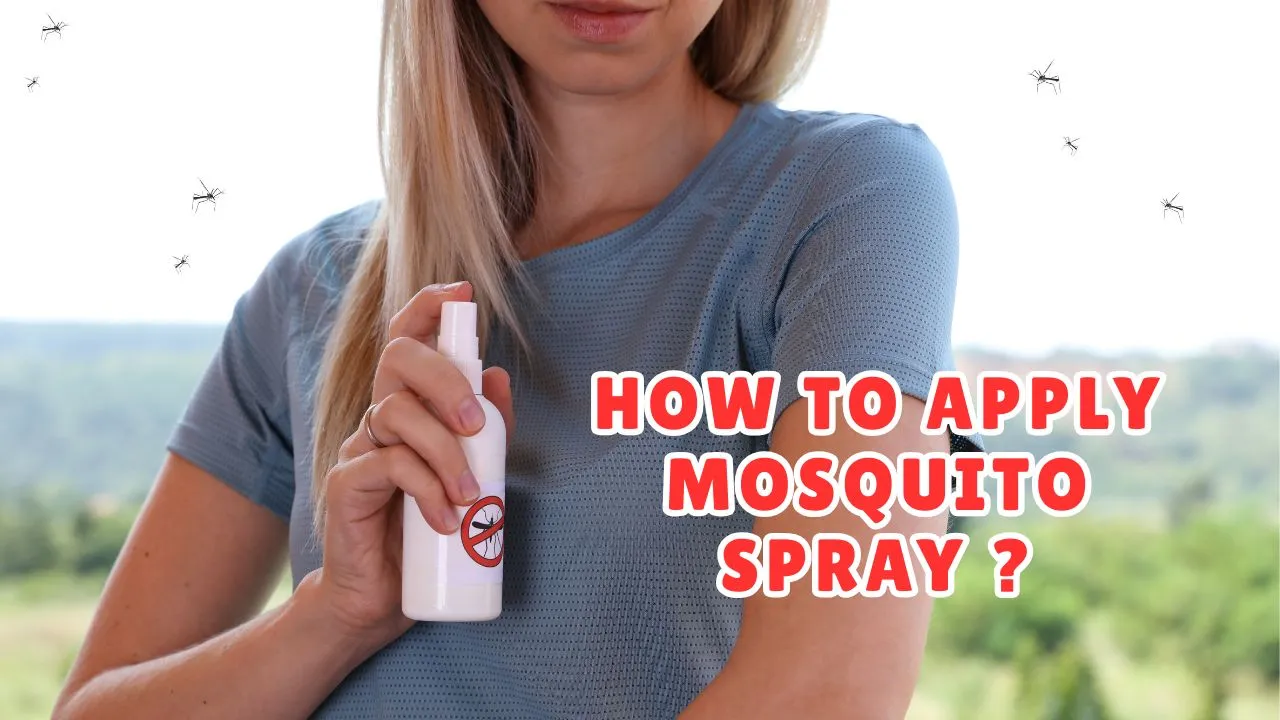
Mosquito repellents and sprays are extremely important for reducing bites from these insects and can be life saving for people with malaria, dengue, Zika and West Nile Virus. However, no matter how well formulated a mosquito repellent spray is, if it is incorrectly applied, then all of the protection it offers can be essentially lost.
The following article offers a guide on, how to apply mosquito spray for maximum protection, other relevant techniques of safety and the measures to enhance the effectiveness of the spray.
Why Proper Application Matters?
Mosquitoes are able to smell their hosts and are attracted to the carbon dioxide, body odor, as well as skin chemicals that we all exhale. The effective types of repellents work by masking all these or blocking the Mosquito’s sensory system.
But, if the mosquito repellent is improperly sprayed and applied little, there are high chances that the repellent space fails to form a barrier, there will be huge gaps in the coverage that will leave space for the mosquitoes to enter. These gaps and patches often become bite sites, defeating the repellent’s purpose.
Beyond coverage, there are other factors like reapplication frequency, combination with sunscreens, and total time of outdoor exposure; these all decides how well you are protected.
Choose the Right Mosquito Spray First
Take note that not all mosquito repelling sprays are designed for the same environment or type of skin. An example of EPA approved repellents include the following:
- DEET (N,N-diethyl-meta-toluamide): Gold standard, effective for hours, even in high mosquito density areas.
- Picaridin: Provides almost similar level of protection as that of DEET, but with less odor and skin irritation.
- Oil of Lemon Eucalyptus (OLE) / PMD: Botanical option with up to 6 hours protection.
- IR3535: Synthetic compound with adequate protection and minimal irritation.
Natural repellents using citronella, neem, rosemary, lavender or other plant oils provide shorter protection and may require frequent reapplication.
A Guide on How to Apply Mosquito Spray for Maximum Protection
1. Read Instructions Thoroughly
Each spray brand and formula has its own concentration and guidelines. Before use:
- Check age suitability—some repellents are not for infants under 2 months or children under 3 years.
- Note the recommended reapplication interval.
- Look for warnings (e.g., flammability).
Following label directions ensures efficacy and safety.
2. Apply After Sunscreen
If sunscreen is to be applied, it should be done first and then wait 15-30 minutes to allow absorption. Sunscreen creates a barrier, and should be put in place before the mosquito spray is applied. Putting a mosquito repellent over sunscreen will lower UV protection and cause uneven distribution of repellent.
3. Apply to Exposed Skin and Clothing Only
- Spray evenly over all exposed skin—arms, legs, neck, ankles, and face.
- Do not apply mosquito spray under clothing or directly onto cuts or irritated skin.
- For the face, it is recommended to spray in your hands and not directly on your face. After that, lightly pat your face, refrain from eyes and mouth.
- Use caution around ears. Lightly apply with fingers.
4. Use Adequate Amount, But Don’t Overapply
- Avoid “spot treatment” (just dabbing on a few places).
- The goal is an even protective film—similar to sunscreen application.
- Overapplication won’t increase protection and can increase risks of irritation.
5. Reapply as Needed
- As a rule of thumb, the more active you are, the more you sweat, come into contact with water, the more you will want to reapply.
- For DEET/picaridin, the general rule of thumb is to apply for every 2-6 hours, with the expectation to reapply more often for natural/botanical repellents.
- In case of swimming or extreme sweating, reapply the repellent right away.
6. Wash Off When Indoors
- After a period of being outdoors, cleanse the skin and any clothing that was worn with water and soap to rid the body of any residual chemicals.
Additional Tips for Maximum Protection
Tip #1: Wear Protective Clothing
- Put on clothing items such as long sleeved shirts and full length pants.
- For added protection, items such as clothes and gear should be treated with permethrin sprays (do not apply directly on skin).
- Mosquitoes can bite around clothing cuffs and necks, so apply spray or tuck clothing accordingly.
Tip #2: Avoid Peak Mosquito Hours
- Mosquitoes are most active around dawn and dusk.
- Plan outdoor activities to minimize exposure during these hours, or increase repellent vigilance.
Tip #3: Don’t Forget Hard-to-Reach Areas
- These areas include around the ankles, behind the knees, and the edges of the scalp.
- These areas in particular should be paid more attention to.
What Not to Do When Using Mosquito Sprays
- Do not apply indoors, unless directed.
- Do not spray it in confined spaces, keep it outdoors to avoid inhaling spray (use in open spaces).
- Never apply repellent near food or while eating.
- Do not spray the hands of small children, apply it over your hands and then on the child.
- Do not put repellent in combination with sunscreen or any other cream.
Special Considerations for Children and Sensitive Individuals
- Use child-specific repellents with lower active ingredient concentrations.
- Avoid applying on children’s hands, eyes, mouth, or cuts.
- Consult pediatric guidance for repellent use on infants and toddlers.
- People with sensitive skin should patch test new products first.
Common Mistakes Impacting Mosquito Spray Effectiveness
- Applying too little product or missing spots.
- Not reapplying after swimming or sweating.
- Wearing sleeveless or short clothing without sufficient repellent.
- Using expired or improperly stored products which lose potency.
Conclusion
The effectiveness of a Mosquito spray is an outcome of careful application as much as the selection of a repellent. Complete coverage of skin and clothing, together with application after sunscreen and reapplication when necessary, maximizes protection.
Mosquito’s peak times can be avoided, along with physical barriers, and planned activities. Concealed skin and clothing combined with the use of mosquito sprays make crucial components for protection against bites and diseases.
Understanding and completing these application steps helps to ensure that you will be more relaxed and far more comfortable outdoors having a more enjoyable, mosquito-free outdoor experience.
