
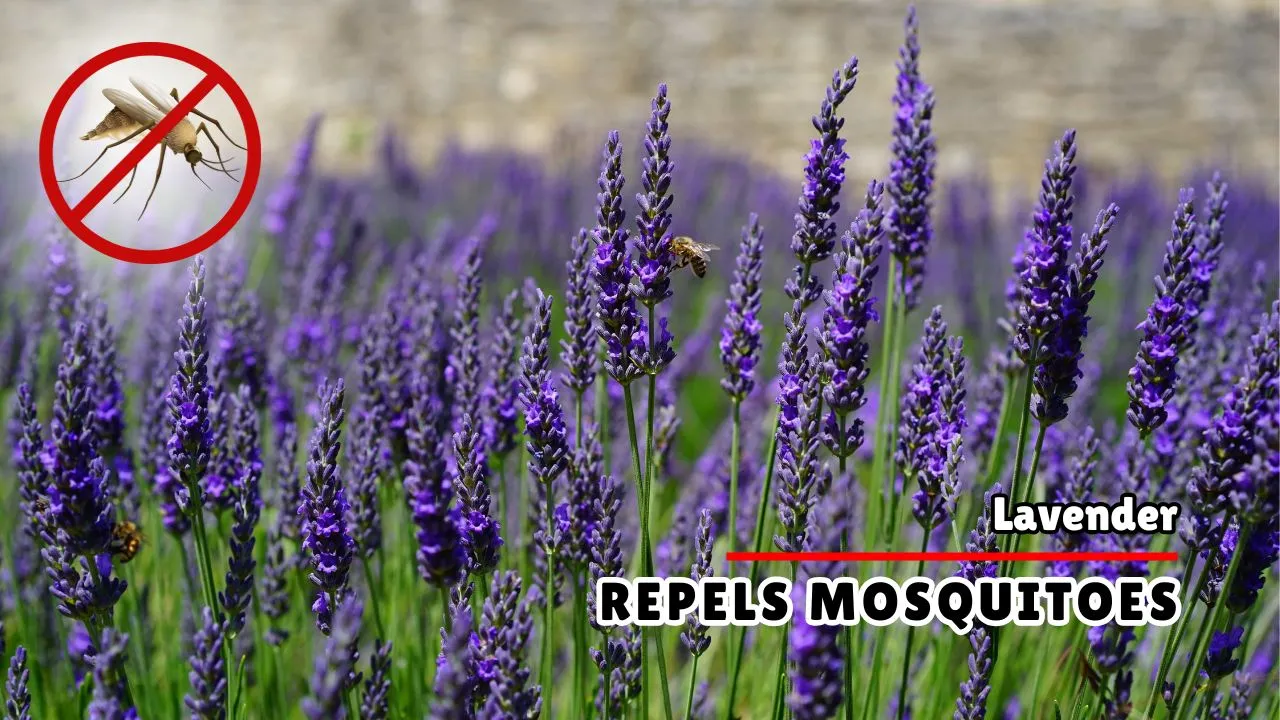
Table of Contents
Introduction: Why Seek Natural Mosquito Repellents?
It is true that mosquitoes are very irritating but they also cause several diseases such as malaria, dengue, and West Nile virus. Products containing chemicals, for instance, DEET, are good in repelling mosquitoes but may have the drawback of affecting human and environmental health. As a result, a large number of people have switched to safer, more eco-friendly, and natural options such as lavender.
Lavender as a Mosquito Repellent: Traditional Use and Modern Science
Lavender (Lavandula spp.) has been considered a medicinal and a fragrant plant of the highest value for hundreds of years. The essential oil and the extracts of the plant are used in different fields like aromatherapy, perfumery, naturopathy, household cleaning, and skin care. The ancient folk tradition already believed that lavender repels mosquitoes and could keep insects away, while at present, scientific research also confirms the effectiveness.
Is lavender a mosquito repellent plant?
In the beginning, lavenders are famous for their rich purple flowering and the application of their oil in aromatherapy for relaxation; but lavender oil is also widely used as a natural repellent for mosquitoes. But how does lavender work as a mosquito repellent, and how effective is it really? Let’s find the actual science and factors that contributes the mosquito repelling efficiency of lavender.
What Makes Lavender Effective Against Mosquitoes?
The repellent action of lavender is mostly facilitated through the essential oil, which is a very concentrated extraction containing the aromatic compounds of the plant. Among the various ones, linalool is the most significant one but camphor, limonene, borneol, and eucalyptol also make a small contribution. These volatile chemicals spread into the air and this is the odor that mosquitoes find either unpleasant or overwhelming.
Key Lavender Compounds With Mosquito-Repelling Power
- Linalool: The most important active component of lavender oil, which can account for up to 45% of it. Linalool completely changes mosquitoes’ sense of smell and thus keeps them at a distance.
- Camphor: One more major constituent in this, which is characterized by the ability to repel and even kill some of the insects.
- Limonene, Borneol, and Eucalyptol: These are additional aromatic compounds found in lavender that also contributes in repelling by confusing mosquitoes.
While lavender has a scent that is attractive to most people, it works on the mosquito’s sensory system in a way very much similar to how synthetic repellents like DEET do. The compounds are masking the chemical cues—carbon dioxide and lactic acid—that are helping the mosquitoes to find humans usually.
Lavender Repels Mosquitoes: Scientific Evidences
Many groundbreaking laboratory and field researches promotes lavender’s use as a mosquito repellent, particularly by means of its essential oil.
- In a 2019 study, lavender essential oil was reported as having an 80% repellent rate against mosquitoes, with a repellent effect lasting for up to eight hours.
- One of the most cited 2009 studies demonstrated that lavender oil can achieve up to 93% repulsion inside and 53% outside; hence environmental variables have an impact on effectiveness.
- Researchers concluded that the main ingredient of lavender, linalool, was an effective mosquito repellent as it caused sensory overload in the mosquitoes and at the same time blocked their ability to detect human scents.
- A study on Moroccan Lavandula dentata showed a moderate potency of 34% repellent action; the difference comes from lavender species, oil concentration, and conditions.
Though effectiveness may change, most people agree that lavender can largely decrease the attraction of mosquitoes, namely, when the concentrated essential oil is applied.
How to Use Lavender to Repel Mosquitoes?
Lavender can be used in a lot of ways in and around the house or on the skin to avoid mosquito bites. The effectiveness is often related to the form and concentration of lavender that is used.
1. Lavender Essential Oil (Direct Application)
- How To Use: Dilute a few drops of lavender essential oil into a carrier oil such as coconut, almond, or avocado oil, stir well and then spread the oil over the skin of the exposed area.
- Benefits: It is a fast, handy, and potent method along with calming effects and mind relaxation.
- Scientific Backing: Low to medium concentrated lavender oil (often 20% in a solution) keeps mosquitoes away for 8 hours.
- Safety: Do a patch test to make sure there is no allergic reaction; however, it is generally safe and non-irritating when diluted.

Image Credit: Flickr, kristin :: prairie daze
2. Homemade Lavender Mosquito Repellent Spray
- How To Use: Put 30-40 drops of lavender essential oil in the water of a spray bottle (approx. 20% essential oil and 80% water). The mixture should be sprayed on the skin or on the clothes. Spray can also be done into the atmosphere.
- Where To Use: For an insect-repelling atmosphere that smells fresh, one can spray it on oneself, children’s clothes, curtains, furniture at the patio, or pet bedding.
3. Growing Lavender Plants
- How To Use: Lavender can be planted in sunny garden beds, borders, pots, or window boxes which can be placed near the entrances and outdoor living spaces.
- Benefit: While the natural emission of repellent compounds is much lower than the concentrated oil, the fragrance can help reduce local mosquito populations if several plants are used close together.
- Tip: Slowly and mildly breaking or crushing leaves will give more scent.
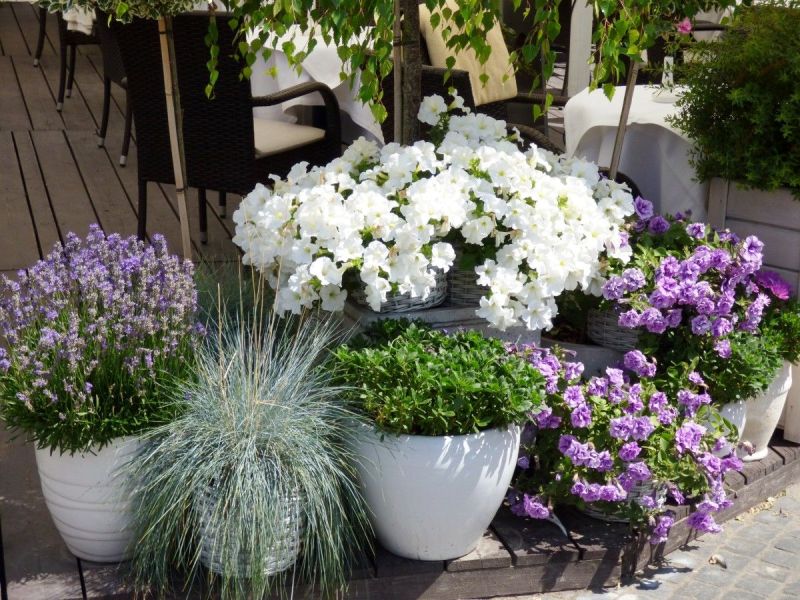
Image Credit: Creative Commons
4. Lavender Infusions and Sachets
- Place dried lavender sachets around the house, in closets, or under pillows. This, although not as strong as oil, can still give you a very weak deterrent effect inside the house.
5. Lavender-Infused Clothing
- New methods are being developed to infuse textiles with lavender oil in order to provide repellency for a few hours or days. One of the ways is through the use of lavender oil microcapsules that are inserted in mosquito-repellent fabrics for clothing, bed nets, and curtains.
Factors That Affect Lavender’s Effectiveness
- Concentration: The higher the concentration of lavender oil, the more effective it will be. Using only the plant or overly diluted oil results in less repellency.
- Formulation: The mixture of lavender with other natural oils (e.g., eucalyptus, citronella) can bring more extended protection and give more time for the duration of the repellent effect.
- Environmental Conditions: The effectiveness and the duration can be lowered by rain, sweating, or strong winds, thus, especially when used outdoors.
- Application Frequency: To maintain your defense, essential oil or spray should be reapplied every few hours.
- Mosquito Species: Different mosquito species have varying degrees of lavender scent sensitivity, hence, the results differ from place to place.
Lavender vs. Synthetic and Other Natural Repellents
User reviews and scientific studies suggest that lavender essential oil is more effective than several other natural alternatives (such as citronella or camphor oil) but it is not equal in terms of duration and the range of repellency of DEET.
However, lavender is still a popular and safer selection for short outdoor activities or when used on children and sensitive skin.
Additional Health Benefits of Lavender
Lavender repels mosquitoes and provides:
- Relief from anxiety and stress
- Soothing of minor skin irritations (including mosquito bites)
- Help with sleep improvement
- A pleasant, non-chemical aroma indoors and out
Step-by-Step Guide: Making Your Own Lavender Mosquito Repellent Spray
DIY Lavender Mosquito Repellent Recipe
- First, take 30 to 40 drops of lavender essential oil and put it in a clean spray bottle (about 20% of total content).
- Then fill the rest of the bottle (about 80%) with water (distilled is best).
- Optional: Add a teaspoon of witch hazel or a splash of rubbing alcohol for extra effectiveness and evaporation.
- Shake very well before each use.
- Spray on skin, clothes, or around rooms and outdoor areas.
Limitations or Side Effects of Lavender Mosquito Repellent Spray
- Shorter duration: While lavender oil repels mosquitoes, effects may last only a few hours, especially outdoors, and require regular reapplication.
- Allergic reactions: Extremely rare, but always patch-test before wide application.
- Local effectiveness: Live lavender plants alone are not reliably strong enough to repel mosquitoes in large outdoor spaces.
📰 Must Read,
✔️ How Does Cinnamon Repel Mosquitoes?
✔️ How to Use Diatomaceous Earth to Kill Mosquitoes?
Conclusion: Should You Use Lavender to Repel Mosquitoes?
Lavender can be a valid, nature-friendly option, that has scientific proof of effectiveness in repelling mosquitoes. Though it requires more frequent reapplication, lavender oil still remains a more safe and more pleasant-smelling alternative to chemical repellents.
Lavender offers a scientifically supported, natural option for repelling mosquitoes, working through the strong aroma of its essential oils—primarily linalool. Lavender oil is a safer, more pleasant-smelling alternative to chemical repellents, though it requires more frequent application for continued protection.
To obtain the most significant benefit, you should consider taking advantage of lavender essential oil products or sprays along with eliminating water bodies where mosquitoes breed, screening your windows, and using other natural repellents either alone or in conjunction with lavender to achieve the most effective mosquito control.
Thus, lavender can easily be the one who will bring you not only the fragrance of a lovely, and refreshing, environment but also yours protection against mosquitoes as well.
Frequently Asked Questions (FAQs)
-
How to use lavender oil as mosquito repellent?
You must dilute the lavender essential oil first with any suitable carrier oil like coconut or almond oil, and than either make a spray or balm and than apply on your exposed regions of your skin. Other than skin, you can apply the spray on your clothing, bedding and curtains as well. Reapplication is required specially when you are sweating or after couple of hours.
-
Which lavender is best for mosquito repellent?
The following species of lavender specially, Lavandula angustifolia (English lavender) and Lavandula x intermedia (Lavandin) are more effective against mosquitoes due to their higher linalool and camphor content. Choose these varieties for extracting essential oil or planting in your garden as i will give the best mosquito repellent effect.
-
How to make mosquito repellent with lavender oil?
Make a mixture of 30–40 drops of lavender essential oil and 60–80 ml of distilled water, should come around 1:2 ratio. You can add a teaspoon of Witch Hazel to it, which is optional. Shake well before use and than apply on skin or around your rooms, house and garden. Before applying on skin, its better to do patch test to check for any allergies.
-
How many lavender plants are needed to repel mosquitoes?
For remarkable results in terms of mosquito repellent effects, you should plant at least 5–10 mature lavender plants around your patios, gateways, or outdoor seating. The scent and the effectiveness of the plants grouped together are stronger; that is why a dense border of them increases the protection in small areas.
-
Which lavender species repels mosquitoes?
Lavandula angustifolia (English lavender) and Lavandula x intermedia (Lavandin) are the most effective species for repelling mosquitoes. These varieties of lavender species have the highest concentrations of linalool and camphor—key compounds proven to deter mosquitoes.
-
Is lavender oil safe for kids and pets?
The lavender oil is obtained naturally from lavender plant, and therefore its usually safe. But, the oil should be well diluted before use. The concentrated lavender essential oil should be avoided or not to be used directly on skin as it may cause allergies or reactions to some individuals with sensitive skin. Since, kids and pets have delicate skin, it is always advisable to use diluted oil that too with an initial patch test to confirm safety and discard any possibility of allergic reactions.
-
Can growing lavender in my garden keep mosquitoes away?
Yes, lavender plants if grown in groups or borders will show limited mosquito activity around it. When you place several lavender plant pots near your seating areas, doorways and patios, it will show good mosquito repellent action just because of its natural aroma. But for stronger protection or with higher mosquito activity you must also make use of lavender mosquito repellent spray of higher concentration.
-
Does lavender repel other pests?
Yes, there are other pests as well along with mosquitoes which lavender repels like moths, fleas, ticks and some ants. Its strong fragrance which interferes with the sensory receptors of a wide range of insects shows a quiet effective repellent effect in outdoor spaces and garden.
