
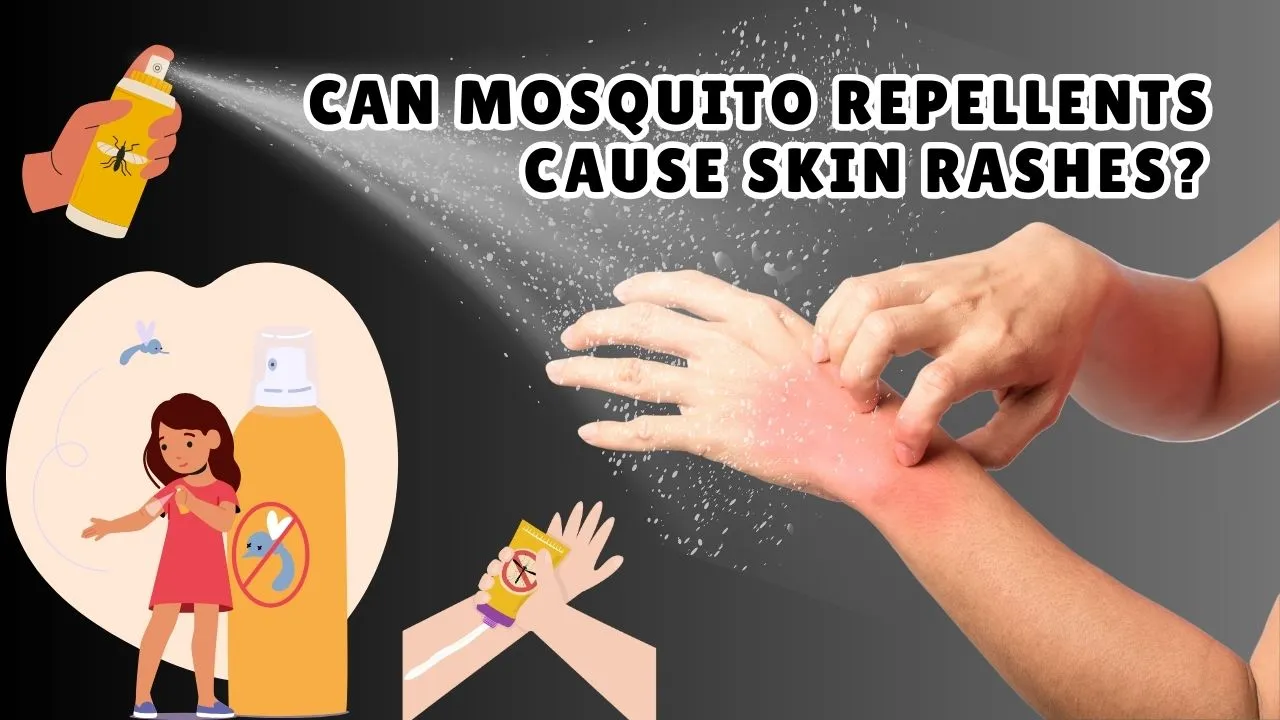
Of course, mosquito repellents cause skin rashes and other reactions. Even with the natural or recommended safe ingredients of varying concentrations of the repellent, the risk will always vary from person to person and due to the type of product used and the way of application used. This risk will specifically apply to people with sensitive skin, allergies or even people who misuse or abuse the products.
Understanding Mosquito Repellents and Skin Health
During the peak season of mosquitoes, repellents are used and meant to protect individuals from mosquito borne diseases as well as counter bites and nuisances. Most products are mentioned as having active ingredients of either botanical and chemical nature intended to repel mosquitoes; however, they may or may not be completely skin safe.
The chemicals in mosquito repellents most likely to cause skin rashes include DEET, Picaridin, IR3535, pyrethroids, and certain essential oils such as oil of lemon eucalyptus and citronella. These ingredients can lead to redness, itching, swelling, and allergic dermatitis, especially in people with sensitive skin or allergies.
Most Common Rash-Causing Chemicals in Mosquito repellents
1. DEET (N,N-Diethyl-meta-toluamide)
DEET is the most common synthetic chemical in repellents and can cause skin redness, itching, rashes, and even chemical burns in rare cases, particularly at high concentrations. Some users may experience contact urticaria (immediate swelling/hives), allergic dermatitis, and in severe cases, angioedema (swelling of deeper skin layers).
- The leading cause of skin irritation and rashes among mosquito repellent users.
- Known to trigger redness, swelling, itching, and, in some cases, blisters or chemical burns if left on the skin too long or applied in high concentrations.
- Rarely, DEET can lead to severe allergic reactions such as urticaria (hives) and angioedema.
2. Picaridin (KBR 3023)
Picaridin is also used as an alternative to DEET, but is on the milder side of recommendations. Case studies have also shown contact rashes, which tend to happen with contact allergies.
- Can cause allergic contact dermatitis, presenting as persistent itching and redness.
- Patch testing has shown strong reactions in certain sensitive individuals.
3. IR3535 (Ethyl butylacetylaminopropionate)
- Generally regarded as safe, but has been linked to mild skin irritation and allergic responses in rare cases.
- Often included in products alongside other actives.
4. Pyrethroids (e.g., allethrin, permethrin, used in sprays and coils)
- Associated mostly with irritation and rashes when contact occurs with skin.
- Prolonged exposure or inhalation may aggravate symptoms.
5. Oil of Lemon Eucalyptus (OLE) and Para-Menthane-3,8-diol (PMD)
- Botanical active commonly found in “natural” repellents.
- Can cause skin irritation or allergic reactions, particularly in those sensitive to essential oils.
6. Citronella, Neem, and Other Essential Oils
Citronella, lemongrass, eucalyptus, peppermint, and clove oils are common natural alternatives. While they’re marketed as safer, they can still cause irritation, contact dermatitis, and allergic responses, particularly if the oil is concentrated or not diluted with a carrier oil. Patch testing is recommended.
- Natural repellents are not free from risk: concentrated oils like citronella, neem, peppermint, lavender can cause burning sensations, redness, or rashes if not properly diluted.
- Patch-testing recommended before use for people with sensitive skin.
7. Other Additives and Excipients
- Preservatives, fragrances, and excipients (e.g., methyl glucose dioleate) have been implicated in allergic reactions and skin rashes in patch tests.
- Read labels for known skin allergens.
Summary Table:
Avoid applying repellents to broken or irritated skin and always follow recommended guidelines to minimize rash risk. Individuals with sensitive skin should opt for products labeled hypoallergenic and perform a patch test before wider use.
Mechanisms and Manifestations of Repellent-Induced Skin Rashes
Types of Skin Reactions
- Contact Dermatitis: Dry and red skin, in addition to itching, swelling, or blistering classified as contact dermatitis. These symptoms emerge within a few hours to days after the application of the product. Most frequent after the repeated application of a repellent or left on skin for extended periods.
- Immediate Allergic Reaction (Contact Urticaria): Defined as the rapid onset of hives or localized swelling from a few minutes to half an hour after the application of some products, particularly noted with DEET.
- Systemic Allergic Reaction: In rare cases, the widespread occurrence of urticaria and angioedema, along with some symptoms like difficulty breathing, may appear, particularly with the topical use of these products, and more so for people with a history of allergies.
Symptoms to Recognize
- Redness and itching on site of application
- Raised bumps or hives
- Burning or stinging sensation
- Local swelling or bleeding
- Peeling or blistering (severe cases)
- Generalized rash if product is spread over large areas
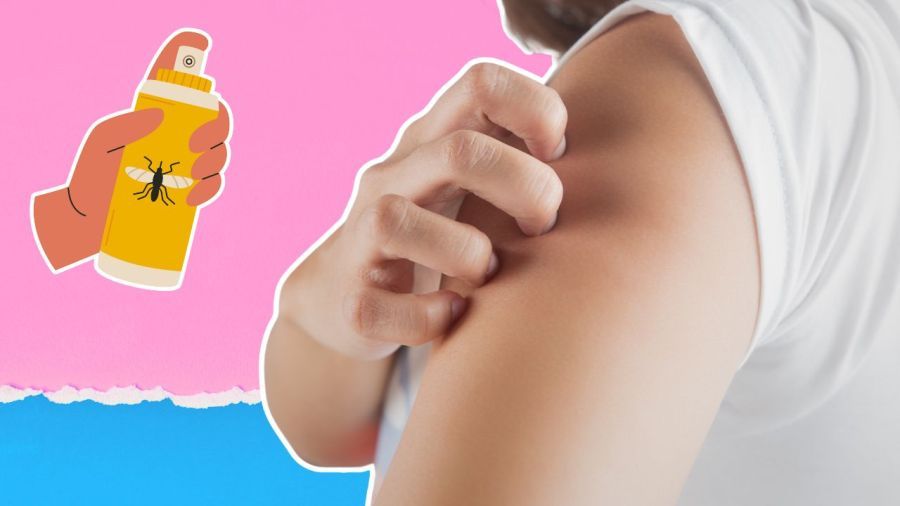
Individual Risk Factors for Mosquito Repellent Rash
1. Sensitive Skin and Allergies
The presence of eczema, atopic dermatitis, or a history of contact allergies places the individual at greater risk. Age plays a role as well. Children and infants are at greater risk of chemical irritation and should not be exposed to chemical repellents unless they are specifically suggested.
2. Overuse, Misuse, and High Concentrations
- Applying excessive amounts or reapplying frequently raises risk.
- The application of a repellent to broken skin or wounds, sunburnt skin, or skin surrounding the eyes and lips may result in more severe reactions.
- Repellent products which contain high levels of active ingredient/s, for example greater than 50% DEET, are more likely to result in a rash or other systemic effects.
3. Environmental Factors
Heat, humidity, and/or sweating increases the chance of skin irritation or the level of absorption. Repellent products used in combination with sunscreen, or other topical products, may change the absorption of the repellent, resulting in greater risk.
Minimizing Rash Risk: Safe Use of Mosquito Repellents
i) Follow Label Instructions
Follow directions on the label that the manufacturer of the repellent has attached to the repellent container, and do not let children apply the repellent to sensitive areas.
ii) Patch Testing
For patch testing, apply a small amount on the inner arm and wait 24 hours for any potential redness or irritation, particularly while changing to a new product or while using a botanical repellent.
iii) Limit Application Area and Quantity
Only apply on exposed skin, not the areas under clothing where absorption risk is greater. Do not apply on broken or inflamed skin.
iv) Wash Off After Protection Needed
Repellent must be washed off using soap and water as soon as you don’t need protection to prevent extended exposure. Avoid using the clothing that has been in contact with repellent until they are washed.
v) Choose Appropriate Repellent For Age and Skin Type
Select suitable products for the user’s age and do not apply formulated chemical repellants to babies under two months of age. Also, check for sensitive products, keeping a lower concentration, natural base, and patch testing in mind.
vi) Alternative Mosquito Control Methods
Reduce dependence on repellents by:
- Wearing long sleeves and trousers
- Using mosquito nets and screens
- Eliminating mosquito breeding sites
- Applying physical barriers and using fans outdoors
What To Do If Rash Develops After Mosquito Repellent Use
- Wash skin: Wash the area of skin that has the repellent with a mild soap and some lukewarm water to remove any residue.
- Apply soothing agents: Use calamine lotion or mild prescription strength hydrocortisone for mild rashes (after consulting a healthcare provider).
- Monitor symptoms: Seek immediate medical attention for widespread rash, angioedema, difficulty breathing, or severe pain.
- Avoid reapplication: Other means of mosquito control should be employed or a different repellent should be used during the recovery period.
Environmental and Long-Term Health Considerations
Chemical-based repellents—especially those containing DEET, pyrethroids, and organophosphates—can have cumulative toxicity when used excessively, not only causing skin irritation but potentially impacting liver and nervous system health over time. Natural alternatives, while generally safer, may still trigger allergic reactions or, if improperly diluted, cause chemical burns.
Conclusion
In conclusion, all types of mosquito repellents, be they ‘natural’ or chemical, and any of their ingredients, may cause skin disorders in the form of rashes, irritation, or allergic reactions and responses. One’s personal profile of sensitivity, risk factors, and guidelines for the method of application must be checked.
Always do a patch test before using a new product, use only small amounts of the product, and chemically-free (where applicable) barrier methods should be used in combination.
As a first line of defense, if any rash is persistent or excessive, a dermatologist must be consulted in order to identify the products used, which may be the cause, and design a skin plan for safer use.
Frequently Asked Questions (FAQs)
Can daily use of mosquito repellent cause skin problems?
The risk of skin irritation or rashes can be increased with constant, regular and improper application. Use when necessary and follow all guidelines.
Is natural mosquito repellent completely safe for skin?
No. Essential oils and other botanical extracts can cause allergic reactions and more like, contact dermatitis, especially in the undiluted state.
How can I prevent mosquito repellent allergy or rash?
Allergic reactions to skin contact can be avoided by patch testing, selecting more appropriate skin type product, and adherence to instructions, avoiding misuse or any overuse and washing off when protection is no longer needed.
What ingredients should people with sensitive skin avoid?
High-concentration DEET, strong essential oils, and added fragrances or preservatives are more likely to cause problems. Consider products labeled for sensitive skin.
